


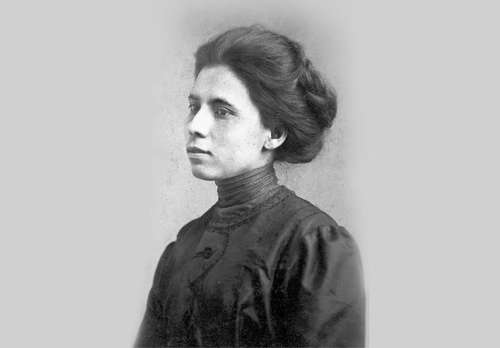
Jovita Idár lived during a time when Mexican Americans in Texas faced harsh discrimination, unequal schools, limited job opportunities, and violence. Many people in power ignored those problems. Idár did the opposite. She wrote about them, organized around them, and used her voice to demand justice.
Born in Laredo, Texas, in 1885, Idár became one of the most important Mexican American journalists and activists of the early twentieth century. She worked as a teacher, writer, editor, organizer, nurse, and civil rights advocate. Her life shows how powerful words can be when they speak for people who have been pushed aside.
Growing Up in Laredo
Jovita Idár was born on September 7, 1885, in Laredo, a border city with deep Mexican and Tejano roots. Her full name was Jovita Idár Vivero. She grew up in a family that valued education, public service, and civic responsibility.
Her father, Nicasio Idár, was a journalist and newspaper publisher. He ran La Crónica, a Spanish-language newspaper in Laredo. The paper covered issues affecting Mexican Americans, including racism, education, labor rights, and politics.
This environment shaped Jovita from an early age. At home, she saw journalism as a tool for community defense. Newspapers could inform people, challenge injustice, and give Mexican Americans a public voice at a time when many English-language papers ignored them or treated them unfairly.
From Teacher to Journalist
Idár began her career as a teacher after earning a teaching certificate in 1903. She taught Mexican American children in South Texas and quickly saw how unequal the school system was.
Many Mexican American students attended underfunded schools. Classrooms often lacked basic supplies. Students had fewer books, fewer resources, and fewer opportunities than white students. Idár believed education could help families build better futures, but she also saw that teaching alone could not solve the deeper problem.
The system itself needed to change.
That realization helped lead her into journalism. By writing for La Crónica, she could reach a wider audience. She could describe the problems she saw and push readers to think, organize, and act.
Writing for a Community Under Pressure
In the early 1900s, Mexican Americans in Texas faced widespread discrimination. They were often denied equal education, treated unfairly by local officials, and targeted by racist violence. Many Mexican immigrants also faced hostility as they crossed the border during the years of the Mexican Revolution.
Idár used journalism to expose these conditions. Her articles called attention to the struggles of Mexican American families, workers, women, and children. She believed newspapers had a responsibility to defend truth and dignity.
Her writing was bold because the risks were real. Speaking out against racism and injustice could bring threats. It could also bring government pressure and public backlash. Still, Idár continued to write.
She understood that silence helped injustice survive.
The First Mexican Congress
In 1911, Jovita Idár became involved in the First Mexican Congress, also known as El Primer Congreso Mexicanista. The meeting took place in Laredo and brought together Mexican American leaders who wanted to address discrimination and improve conditions for their communities.
The congress discussed education, labor rights, civil rights, and the need for unity among Mexican Americans. It also gave women a stronger public role in organizing for change.
Idár was one of the women who helped push these efforts forward. She believed women had an important place in public life, especially in education and community leadership. At a time when many women still lacked the right to vote, her activism showed a strong belief in women’s political power.
Founding La Liga Femenil Mexicanista
One of Idár’s most important contributions came through La Liga Femenil Mexicanista, or the League of Mexican Women. She helped lead this organization after the First Mexican Congress.
The group focused on education and community support. Its members worked to provide free instruction for poor Mexican children in Laredo. This mattered because many children had limited access to quality schooling.
Idár believed education could strengthen families and communities. She also believed women could lead that work. Through La Liga Femenil Mexicanista, she helped create a space where women could organize, teach, and advocate for civil rights.
This was a powerful idea for the time. Idár did not accept the belief that women should stay out of public affairs. She saw women as teachers, leaders, writers, and defenders of justice.
A Voice During the Mexican Revolution
The Mexican Revolution began in 1910 and affected both sides of the border. Many people fled violence in Mexico and came to Texas. Political debates, military conflict, and human suffering reached communities like Laredo.
Idár responded with both words and action. She wrote about the conflict and supported humanitarian efforts. She also worked as a nurse, helping care for wounded soldiers and others affected by the violence.
Her activism crossed borders because the issues she cared about crossed borders too. Families, newspapers, politics, and communities in South Texas were closely connected to events in Mexico.
Idár saw the border as a place of shared struggle, not separation. Her work reflected the lives of people who moved between languages, cultures, and nations.
Standing Up to Intimidation
One of the most famous stories about Jovita Idár says that she stood in the doorway of a newspaper office to block Texas Rangers from entering after the paper criticized U.S. military actions. The story has become an important symbol of courage.
Recent historical research has questioned some details of that specific event. Even so, the larger truth remains clear: Idár worked in a dangerous climate and challenged powerful forces through her writing and organizing.
Whether in front of a press, inside a classroom, or through a newspaper column, she showed unusual courage. She used public speech at a time when Mexican American women were often expected to remain quiet.
Her life proves that courage does not always look like a single dramatic moment. Sometimes it looks like years of steady work.
Life and Activism in San Antonio
Idár later moved to San Antonio, where she continued her community work. She remained active in causes connected to education, health, civil rights, and Mexican American identity.
In 1917, she married Bartolo Juárez. Even after marriage, she continued to serve her community. Her activism did not end with her years in Laredo.
San Antonio had a large Mexican American population, and Idár’s skills as a writer, organizer, and advocate remained valuable. She helped people navigate civic life and continued to support efforts that strengthened families and neighborhoods.
Why Her Journalism Mattered
Jovita Idár’s journalism mattered because it gave visibility to people who were often ignored. She wrote for communities that needed information, encouragement, and defense.
Her work also challenged a narrow version of Texas history. Texas has often been told through the stories of politicians, soldiers, ranchers, and businessmen. Idár’s life reminds us that journalists, teachers, women, immigrants, and border communities also shaped the state.
She showed that journalism can do more than report events. It can question unfair systems. It can preserve community memory. It can help people see their own worth.
For Mexican Americans in South Texas, Spanish-language newspapers like La Crónica served as lifelines. They carried local news, political ideas, cultural pride, and calls for justice.
Idár understood that the press could build power.
A Champion for Women’s Rights
Idár also fought for women’s rights. She supported women’s education, public leadership, and suffrage. Her work came during a period when women across the United States were demanding the right to vote.
For Mexican American women, the struggle often included additional barriers. They faced sexism, racism, language discrimination, and economic hardship. Idár understood these overlapping challenges.
She believed women should help shape their communities. She also believed educated women could strengthen future generations. Her famous belief in the power of educating women reflected her lifelong commitment to learning and leadership.
Her Later Recognition
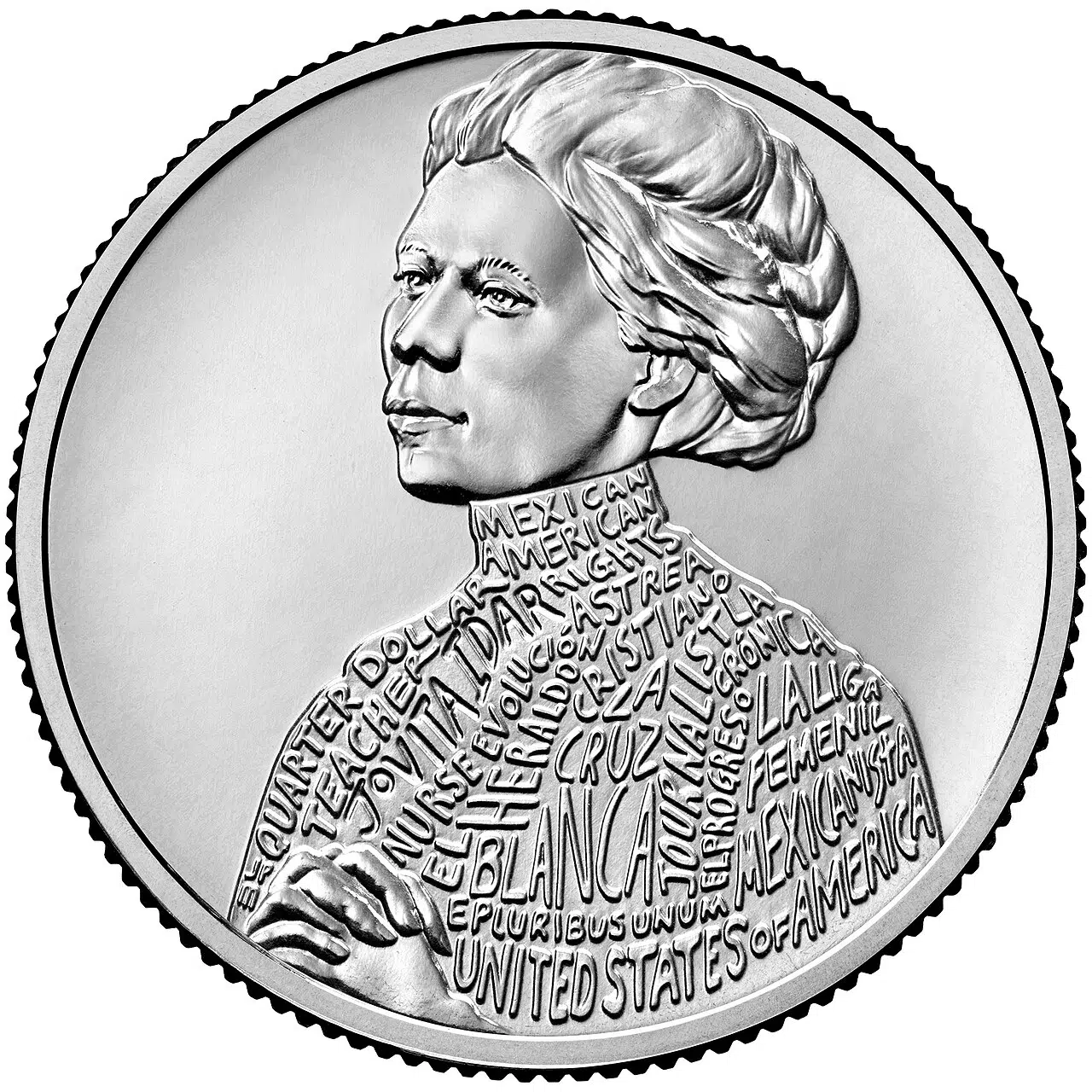
Jovita Idár died in San Antonio in 1946. For many years, her name was not as widely known as it should have been. Like many women of color in American history, her contributions were overlooked in mainstream textbooks and public memory.
That has changed in recent years. Historians, museums, educators, and community leaders have worked to bring her story to a wider audience. In 2023, she was honored on a U.S. quarter as part of the American Women Quarters Program.
The coin helped introduce her to many Americans who had never heard her name before. Still, her importance goes far beyond a national honor. Her real legacy lives in the work she did for education, civil rights, journalism, and Mexican American communities.
Why Jovita Idár Still Matters
Jovita Idár’s story remains important because many of the issues she addressed still matter today. Education, fair treatment, women’s rights, immigration, language access, and honest journalism continue to shape public life.
Her life also teaches a practical lesson: change often starts with people who refuse to stay quiet. Idár did not have the power of high office. She did not lead a large institution. She had a pen, a newspaper, a strong education, and a deep sense of duty.
She used what she had.
That made her powerful.
Conclusion
Jovita Idár was a teacher who saw inequality up close. She was a journalist who used words to fight injustice. She was an organizer who believed women could lead. She was a Texan whose work reached across borders and generations.
Her voice helped defend Mexican American communities during one of the most difficult periods in South Texas history. Her courage came through her writing, her organizing, and her belief that education could change lives.
Today, Jovita Idár stands as one of Texas’s most important civil rights figures. Her story reminds us that justice needs people willing to speak, write, teach, and act.

Comments (0)
No comments yet. Be the first to share your thoughts.
Leave a comment