


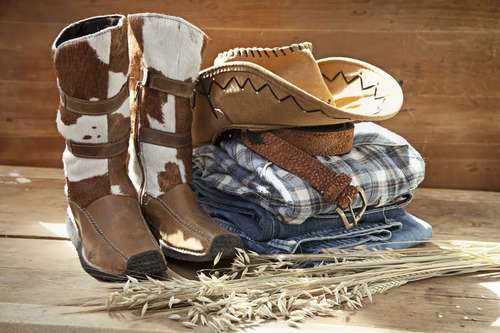
Western wear has a special place in Texas culture. You see it at rodeos, weddings, concerts, festivals, football weekends, charity galas, county fairs, corporate events, and even upscale parties in major cities. Cowboy boots, hats, denim, pearl snaps, belt buckles, fringe, leather, turquoise jewelry, and embroidered details have become part of the way Texans dress for celebration.
This did not happen overnight. Western wear became part of the Texas event experience through history, practicality, ranching traditions, pop culture, music, tourism, and state pride. Today, it works as both fashion and cultural shorthand. When people dress in western style at a Texas event, they are often doing something larger than choosing an outfit. They are joining a visual tradition that connects the event to the state’s identity.
The Roots of Western Wear in Texas Life
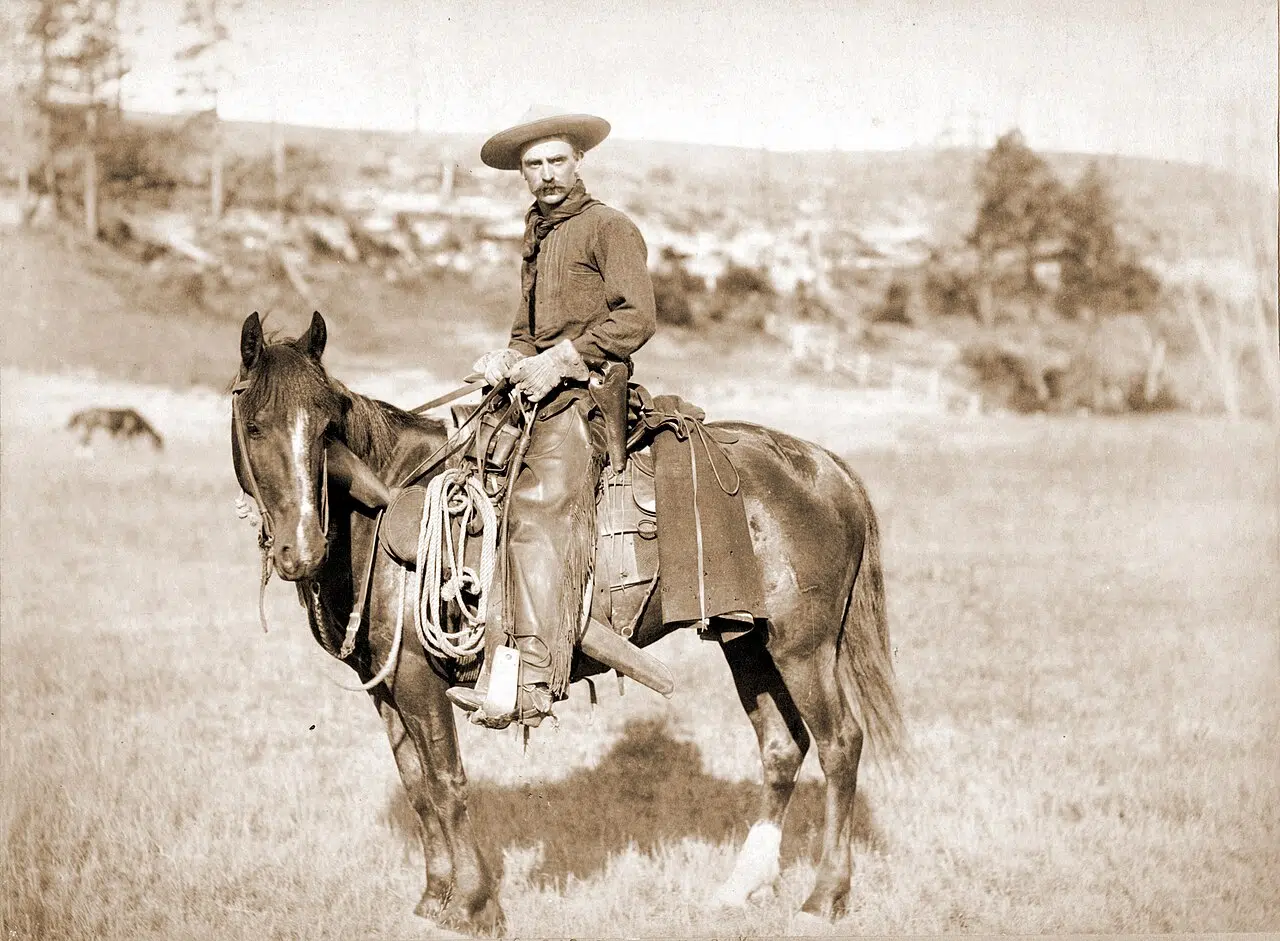
Western wear began as working clothing. It was shaped by ranching, cattle drives, horseback travel, open land, and outdoor labor. Early cowboys needed clothing that could handle heat, dust, brush, long hours, and constant movement.
Boots protected the feet and legs while riding. Wide-brimmed hats offered shade. Denim and canvas stood up to rough work. Bandanas helped with dust and sun. Leather belts, gloves, chaps, and saddlebags had practical uses before they became fashion statements.
Texas played a major role in this story because cattle ranching became deeply tied to the state’s economy and image. After the Civil War, cattle drives moved herds from Texas to railheads farther north. The cowboy became one of the most recognizable figures connected to the state.
Over time, the clothing associated with that work became part of the public image of Texas itself.
From Ranch Clothing to Public Identity
As Texas towns grew and ranching became part of state legend, western clothing moved beyond daily work. People began wearing boots, hats, and western shirts to public gatherings, parades, dances, and celebrations.
County fairs and livestock shows helped make that shift. These events brought rural life into a public setting. Ranch families, farmers, business owners, children, and visitors all came together. Western wear fit the setting naturally because it reflected the industries and traditions being celebrated.
The rodeo also played a major role. Rodeos turned ranch skills into entertainment. Riding, roping, barrel racing, bronc riding, and bull riding gave audiences a thrilling version of cowboy life. The clothing worn by competitors became part of the spectacle. Hats, boots, buckles, and western shirts were visible symbols of skill, courage, and tradition.
Soon, western clothing was no longer limited to the people in the arena. Spectators wanted to dress the part too.
Rodeos Made Western Wear Event Clothing
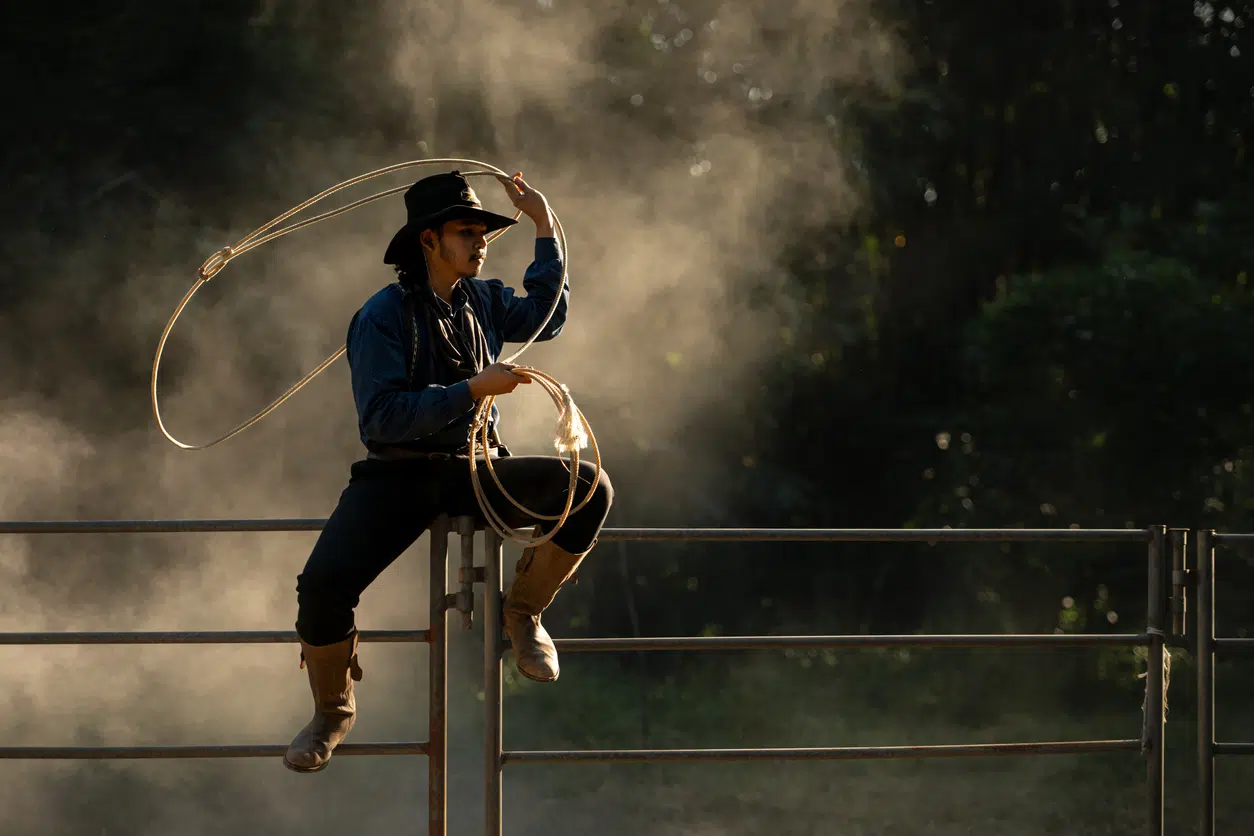
Few events shaped Texas western fashion like the rodeo. The rodeo gave western wear a public stage. It also created a dress code that felt both casual and ceremonial.
At a rodeo, western wear serves several purposes. It shows respect for the event’s roots. It helps attendees feel connected to the action. It also gives the crowd a shared look without requiring everyone to dress exactly the same.
A person may wear simple jeans and boots. Another may add a felt hat, silver buckle, and pressed shirt. Someone else may choose a dress with western jewelry and a pair of dress boots. The range is wide, but the style still feels connected.
This flexibility helped western wear spread into other Texas events. It could be dressed up or down. It worked for families, performers, officials, sponsors, vendors, and guests. It also photographed well, which mattered more as events became more media driven.
Music Helped Carry the Look
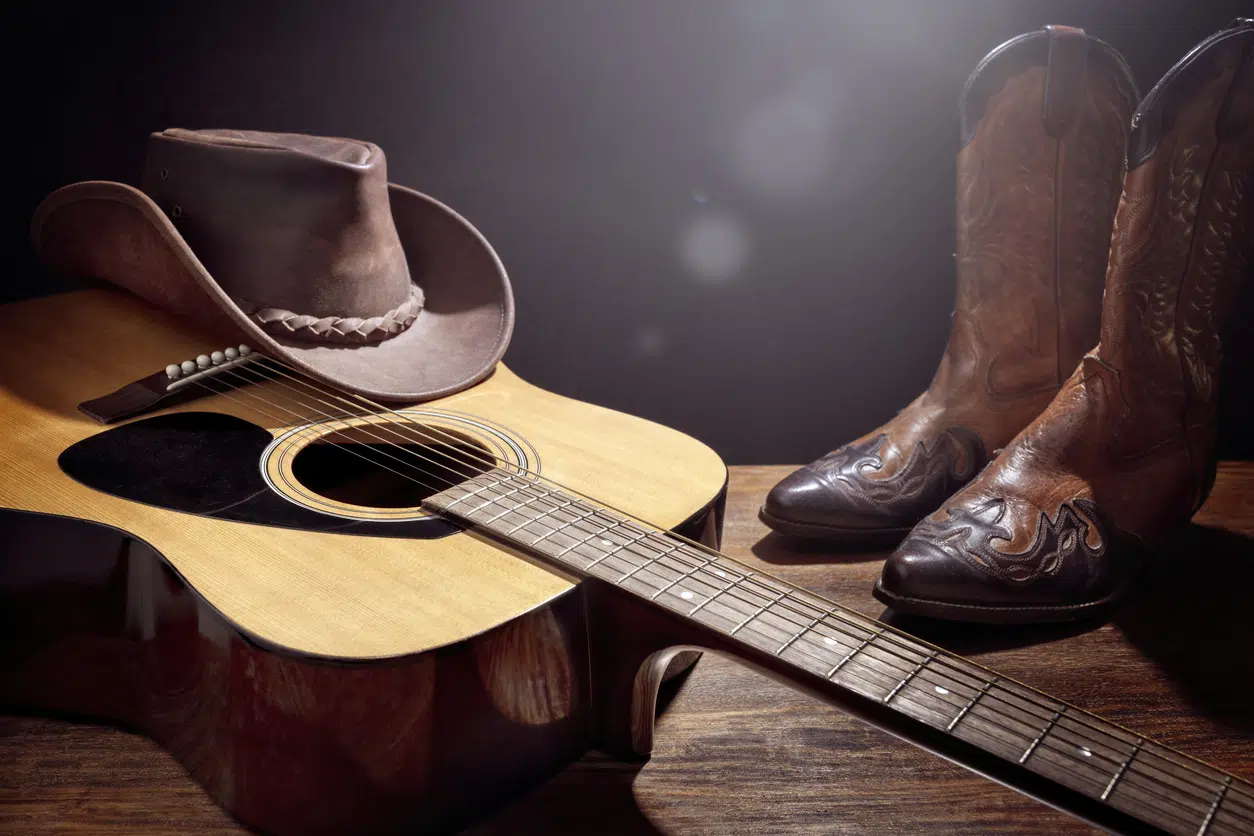
Texas music gave western wear another major boost. Country, western swing, Tejano, honky-tonk, outlaw country, and red dirt music all helped connect clothing with entertainment.
Dance halls became important social spaces across Texas. People dressed for live music, two-stepping, socializing, and weekend nights out. Boots were practical on dance floors. Western shirts looked sharp without feeling too formal. Hats became part of the atmosphere.
Musicians also shaped the image. Artists who wore western clothing on stage made the look feel cool, expressive, and authentic. A star in a cowboy hat could influence how fans dressed for concerts and festivals. Over time, western wear became a natural choice for live music events across the state.
This is why western clothing still shows up at Texas music festivals, small-town concerts, honky-tonks, and major stadium shows. The clothing connects the audience to the sound, the setting, and the story behind the music.
Western Wear Became a Form of Texas Hospitality
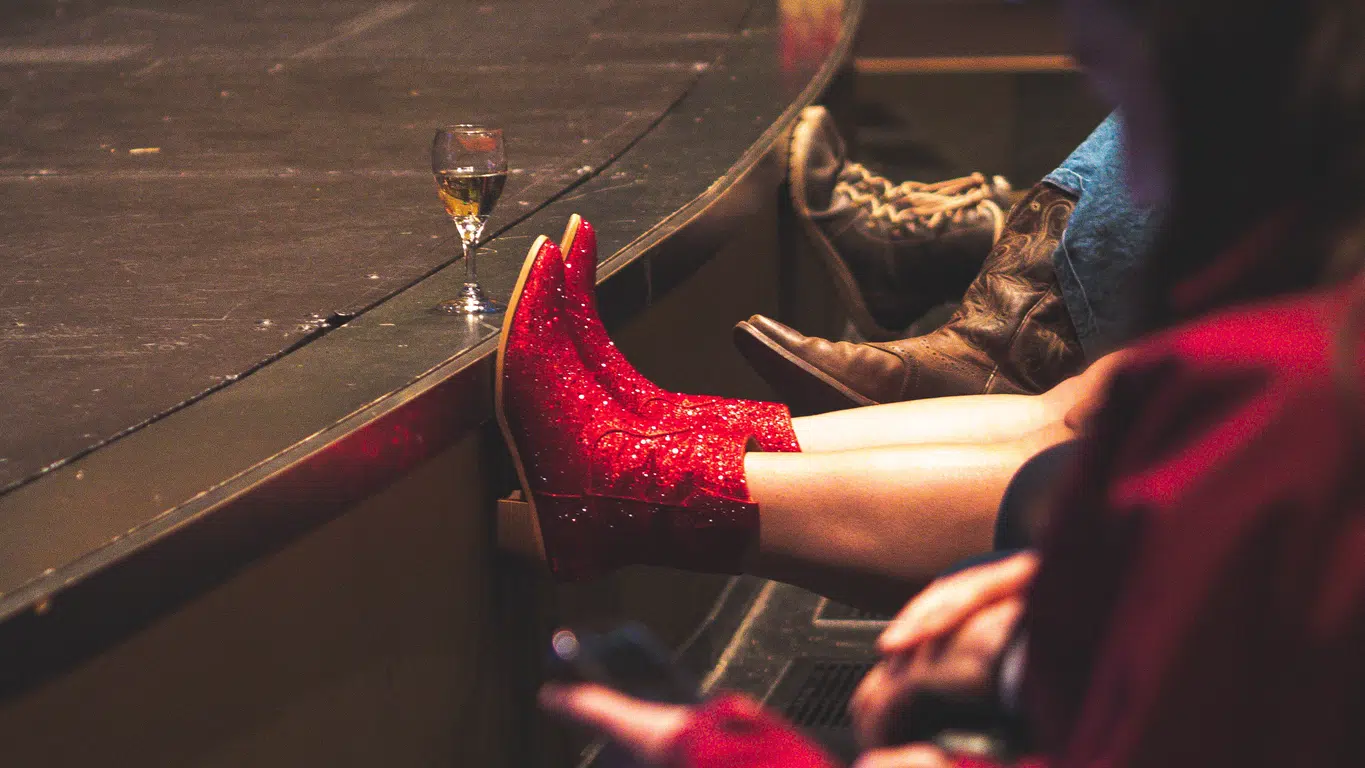
Texas events often aim to create a sense of place. Whether the setting is a ranch venue, hotel ballroom, fairground, arena, or outdoor festival, organizers often want guests to feel that they are truly in Texas.
Western wear helps create that feeling quickly. A welcome party with cowboy boots, hats, leather accents, and western décor sends a clear message. The event has a Texas character.
This is especially common with destination weddings, corporate retreats, conferences, and tourism events. Guests from outside the state may arrive expecting a Texas experience. Western wear gives them a way to participate.
A corporate dinner may include a “western chic” dress code. A wedding weekend may invite guests to wear boots to the rehearsal dinner. A conference in Fort Worth, San Antonio, Austin, or Dallas may include a themed evening with hats, denim, and live country music.
In these settings, western wear becomes part of the hospitality. It helps guests relax, join in, and feel connected to the location.
The Rise of Western Chic
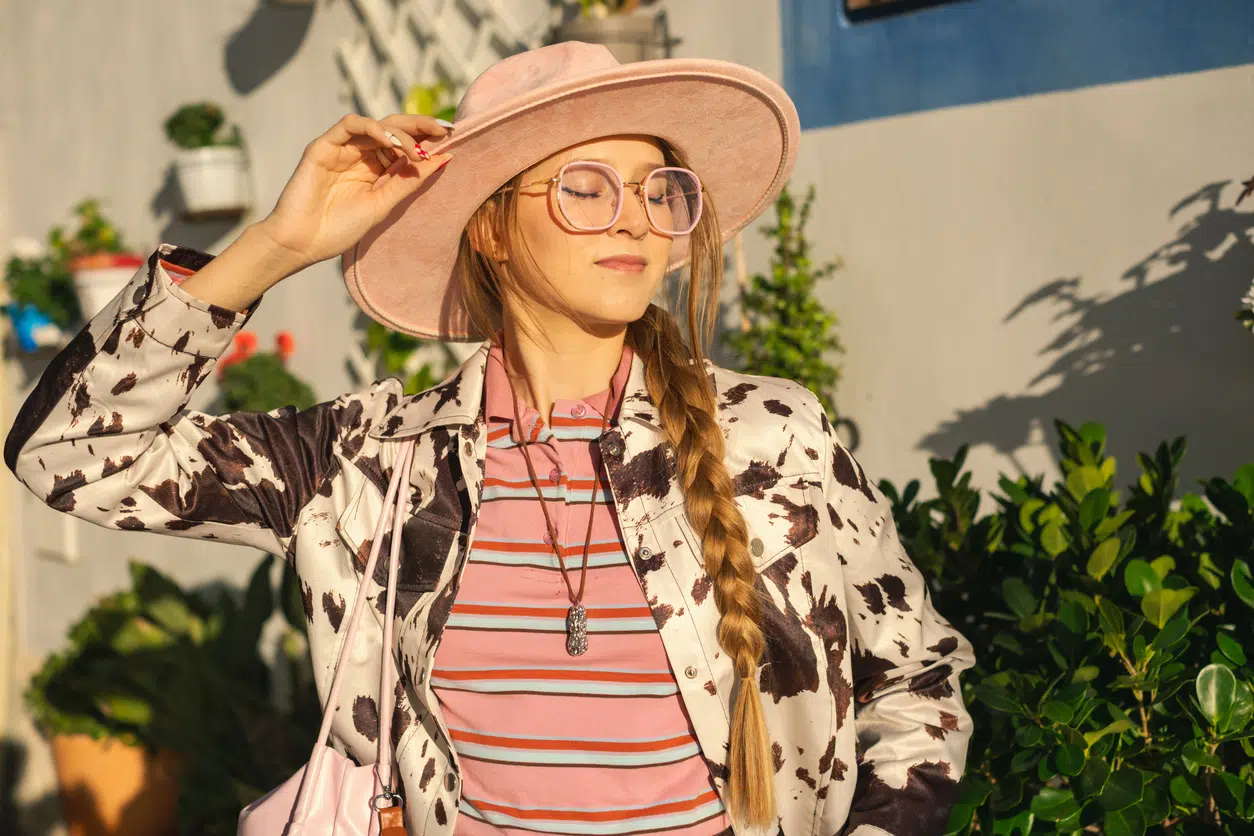
Western wear has also changed with fashion. Today’s Texas event style often mixes traditional western pieces with modern clothing. This is sometimes called western chic, ranch formal, cowboy cocktail, or Texas black tie, depending on the event.
The look may include:
- A tailored jacket with jeans and boots
- A dress paired with embroidered boots
- A pearl snap shirt under a blazer
- A felt hat worn with polished formalwear
- Turquoise jewelry with evening attire
- A statement belt buckle with a clean, modern outfit
This blend works because western pieces carry a strong visual identity. A single pair of boots or a well-shaped hat can change the entire feel of an outfit.
For many Texas events, western chic offers a middle ground. It feels dressy without becoming stiff. It feels regional without looking like a costume when done thoughtfully.
Weddings Gave Western Wear a New Stage
Texas weddings helped push western wear into more elegant settings. Ranch weddings, barn weddings, hill country ceremonies, outdoor receptions, and destination wedding weekends gave couples a chance to mix romance with regional style.
Boots became common for brides, grooms, bridesmaids, groomsmen, and guests. Some couples choose subtle touches, like leather belts, bolo ties, or embroidered details. Others lean fully into western style with hats, denim jackets, longhorn imagery, vintage trucks, and country music.
Western wear works well at Texas weddings because it can feel personal. Many families have connections to ranching, farming, rodeo, small towns, or country music. Even when they do not, the style can still reflect the landscape and mood of the event.
A pair of boots under a wedding dress can feel playful. A groom in a cowboy hat can look classic. A guest in western-inspired formalwear can fit the setting without feeling overdressed.
Festivals and Fairs Keep the Tradition Visible
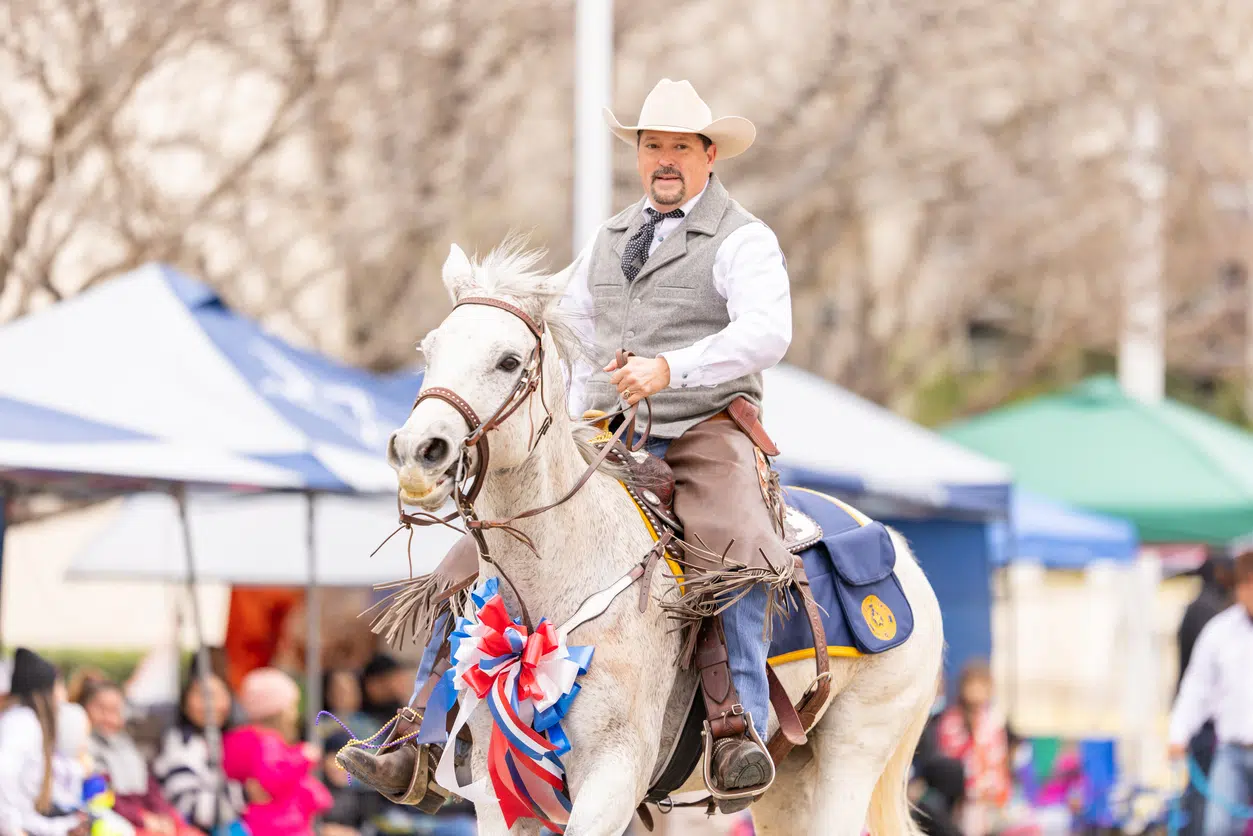
Texas festivals and fairs continue to make western wear part of everyday celebration. Events tied to food, livestock, music, history, and local pride often encourage western dress without needing an official dress code.
At these gatherings, clothing becomes part of the fun. People wear boots because they are comfortable for walking. Hats help with the sun. Denim works for outdoor spaces. Western shirts and accessories add personality.
The State Fair of Texas, local stock shows, chili cook-offs, rodeo weekends, county celebrations, and small-town festivals all help keep the look alive. These events bring together different generations. Grandparents, parents, teens, and children may all wear some version of western style.
That cross-generational appeal matters. Western wear stays relevant because it is passed down through experience, not only through fashion trends.
Pop Culture Made the Look Bigger
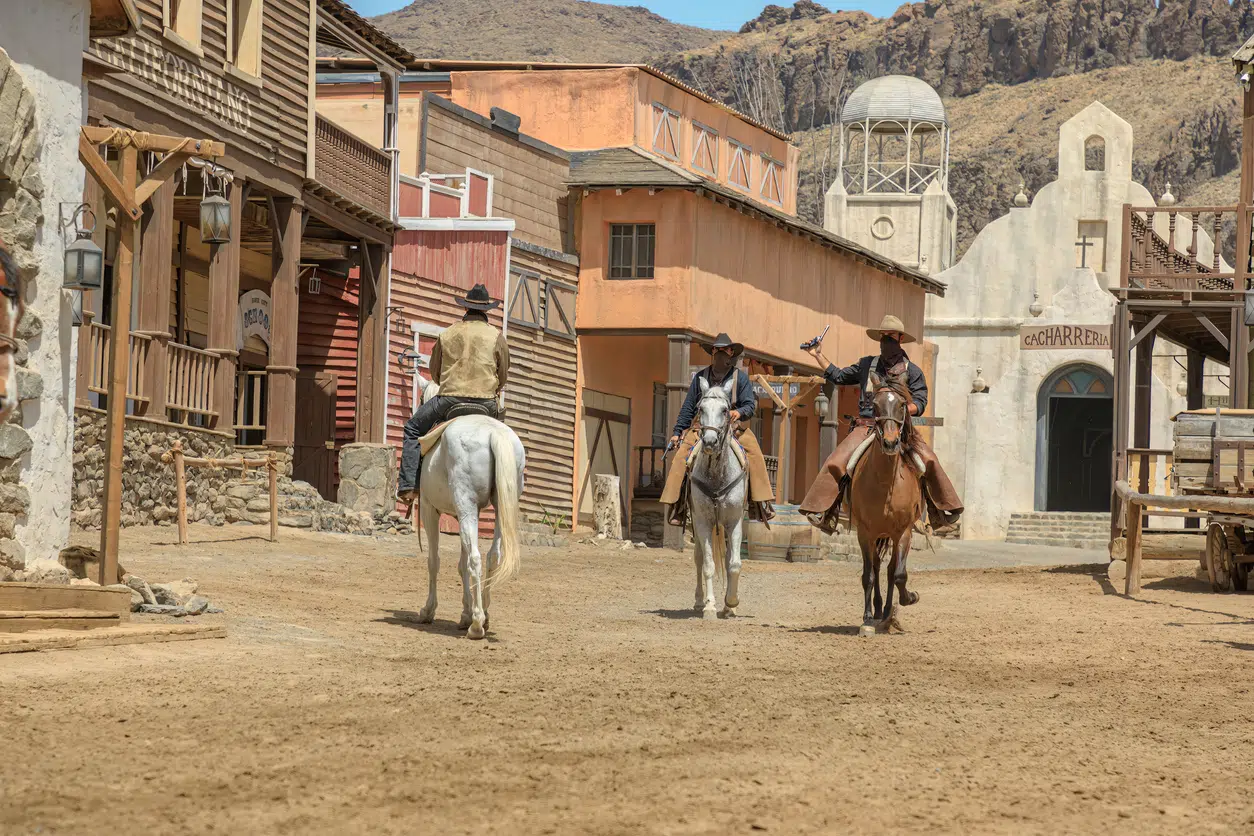
Movies, television, music videos, social media, and celebrity fashion helped expand western wear beyond ranches and rodeos. The cowboy image has long been part of American entertainment, and Texas often sits at the center of that image.
Western films made hats, boots, denim, and leather iconic. Country music videos made them stylish. Modern television series and celebrity appearances gave western fashion fresh attention. Social media then helped spread the look quickly, especially around festivals, bachelorette trips, concerts, and weddings.
This visibility made western wear attractive to people who may not have grown up around ranching or rodeo culture. For some, it became a fashion choice. For others, it became a way to participate in a Texas event with enthusiasm.
The key difference in Texas is that western wear still has a strong connection to place. It may be fashionable, but it also points back to real traditions.
Boots Became the Most Flexible Western Item
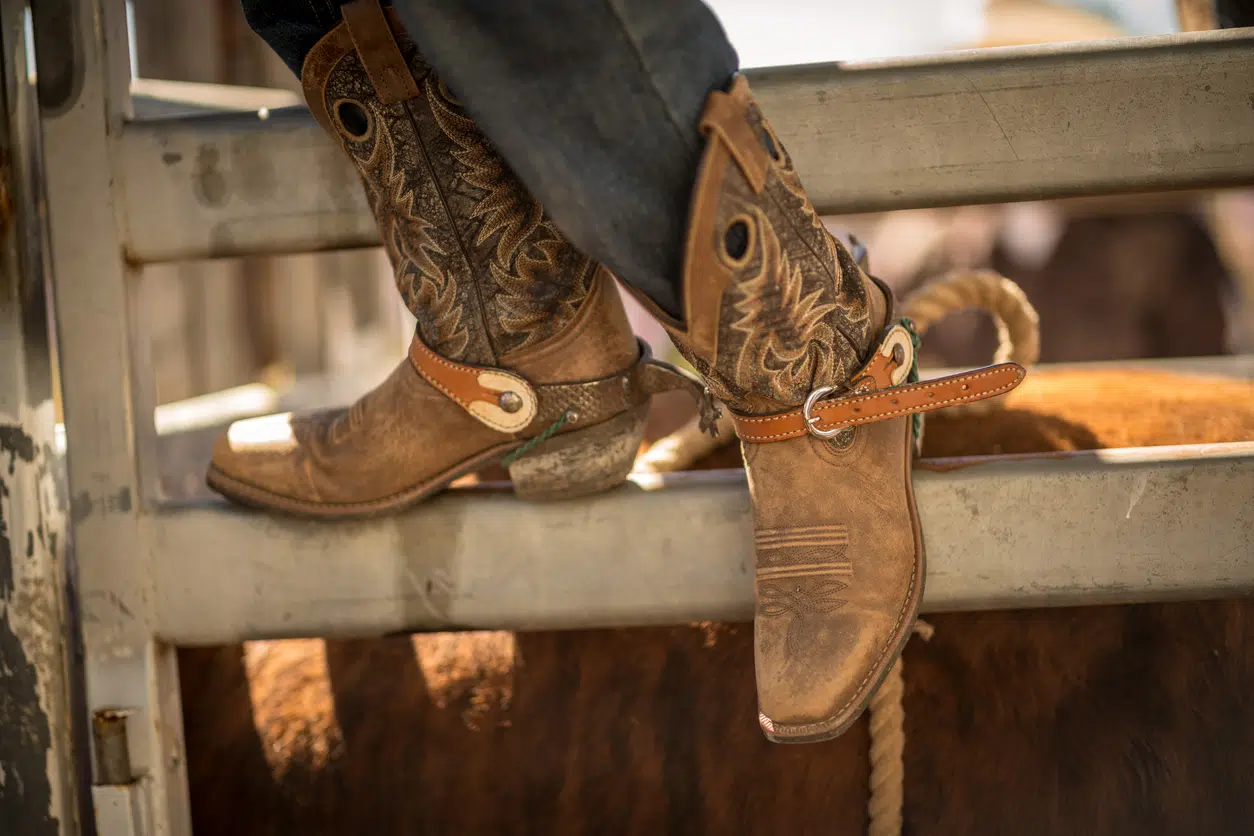
Of all western pieces, cowboy boots may be the most widely accepted at Texas events. They work across many settings. They can be casual, dressy, rugged, colorful, understated, or highly decorative.
Boots also carry personal meaning. Some people own one reliable pair for years. Others collect different styles for different occasions. Wedding boots, rodeo boots, work boots, dress boots, and vintage boots all have their own place.
At Texas events, boots solve a practical problem too. Many venues include grass, gravel, dirt, barns, arenas, or outdoor spaces. Heels may sink into the ground. Dress shoes may get dusty. Boots handle these settings better while still looking event-ready.
That mix of style and function explains why boots remain central to the Texas event experience.
The Cowboy Hat as a Symbol
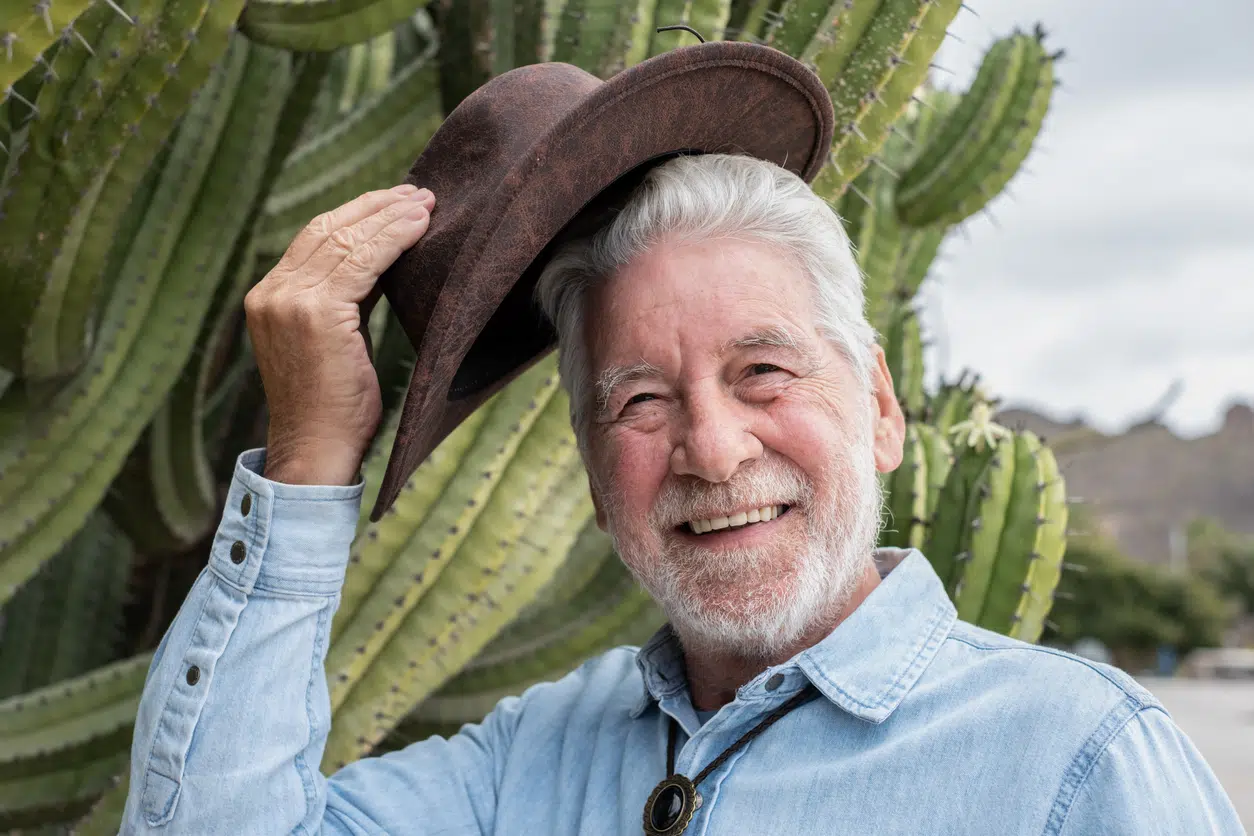
The cowboy hat is one of the strongest symbols in western wear. It has practical roots, but at events it also communicates confidence, tradition, and regional pride.
In Texas, hats appear at rodeos, galas, parades, concerts, weddings, and political gatherings. The style of hat can say a lot. Straw hats often fit warm outdoor events. Felt hats tend to appear in cooler months or more formal settings. Hat shape, brim, crown, and color all add personality.
There is also etiquette around cowboy hats. Many Texans take hat manners seriously, especially at formal events, during prayers, indoors, or during the national anthem. This etiquette gives the hat a cultural weight that goes beyond fashion.
Wearing a cowboy hat at a Texas event can be fun, but it also comes with tradition.
Western Wear in the City
Western wear is not limited to ranch towns. Major Texas cities have embraced it in their own ways.
Fort Worth leans strongly into cowboy culture through the Stockyards, rodeo events, western shops, and tourism. Dallas often blends western touches with polished fashion. Austin mixes boots and hats with music culture and creative style. San Antonio connects western wear with history, fiesta events, ranch heritage, and regional celebration. Houston brings western style into a large, diverse setting, especially during rodeo season.
This city-by-city flexibility helped western wear stay current. It can appear in a luxury hotel, a dance hall, a stadium, a backyard party, or a historic district. The setting changes, but the western influence remains easy to recognize.
Why Western Wear Works So Well at Texas Events
Western wear fits Texas events because it balances identity, comfort, history, and style. It gives people a simple way to connect with the occasion.
It also has range. A person can wear a full western outfit or add one small detail. Boots, hats, jewelry, belts, shirts, jackets, and dresses can all carry the theme at different levels.
That makes western wear useful for event planners too. A western dress code is easy for guests to understand. It creates strong photos. It supports local vendors, bootmakers, hat shapers, boutiques, and artisans. It also helps an event feel rooted in Texas rather than generic.
In a state known for strong regional identity, that matters.
Respecting the Difference Between Style and Costume
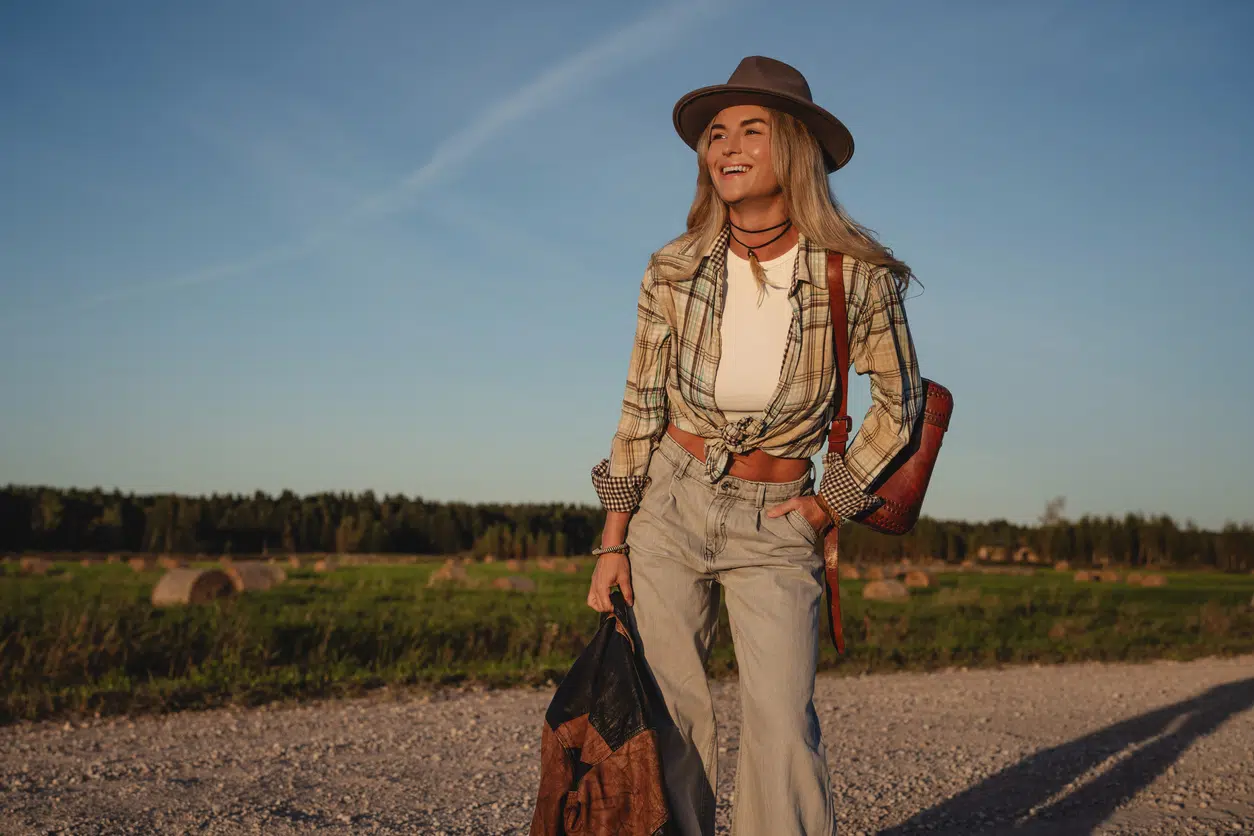
As western wear became more popular, one important idea became clear. The best Texas event style usually treats western wear as clothing with history, not as a costume.
There is a difference between thoughtful western style and dressing in a cartoon version of Texas. A good western-inspired outfit respects the roots of the clothing. It can be fun, colorful, and expressive, but it should still feel connected to real traditions.
For visitors, this means choosing pieces that feel natural. A clean pair of boots, a western shirt, a tasteful hat, or simple turquoise jewelry can go a long way. For formal events, quality and fit matter more than overdoing the theme.
Western wear works best when it feels worn with appreciation.
The Modern Texas Event Look
Today, western wear continues to evolve. Designers reinterpret classic pieces. Vintage western clothing has become popular. Younger guests mix boots with dresses, suits, denim, fringe jackets, and modern accessories. Custom hats and handmade boots have gained attention as statement pieces.
At the same time, traditional western clothing remains strong. Rodeo families, ranchers, riders, and longtime Texans continue to wear these pieces because they are part of daily life and family history.
That combination keeps western wear alive. It belongs to both tradition and reinvention.
At a Texas event, you may see a rancher in well-worn boots standing next to a visitor in brand-new ones. You may see a bride in white boots, a musician in a vintage pearl snap, a business executive in a felt hat, or a child in tiny cowboy boots at a county fair.
Each outfit adds to the event’s sense of place.
Conclusion
Western wear became part of the Texas event experience because it grew from real life. It began with ranching, riding, labor, weather, and practicality. Then rodeos, music, fairs, weddings, tourism, and fashion carried it into public celebration.
Today, western wear helps Texas events feel distinctive. It gives guests a way to participate in the setting. It honors history while leaving room for personal style. It can be casual, elegant, rugged, colorful, or refined.
That is why boots, hats, denim, buckles, and western details continue to appear across Texas gatherings. They are part of the state’s event language. When people dress western in Texas, they help turn an occasion into an experience with local character, shared history, and a strong sense of place.
Comments (0)
No comments yet. Be the first to share your thoughts.
Leave a comment