


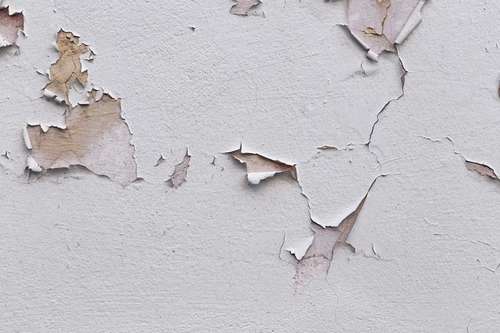
From the Gulf Coast’s salty breezes to East Texas’s year-round moisture and the humid summers that define so much of the Lone Star State, high humidity is a fact of life for many Texas homeowners. And while that humidity nourishes lush landscapes, it also poses a challenge for exterior paint. That sticky moisture in the air can slow drying, trap water beneath paint layers, and set the stage for bubbling, blistering, and eventually peeling paint — even on a freshly painted surface.
Fortunately, peeling doesn’t have to be inevitable. With the right planning, materials, preparation, and maintenance, Texas homes can enjoy paint finishes that look great and last for years even under high humidity. This guide walks through why paint peels in humid conditions and, more importantly, how to prevent it.
Why Paint Peels in High-Humidity Conditions
Humidity affects paint in a few key ways:
- It slows drying and curing because moisture in the air competes with the paint’s solvents and water for evaporation. When paint stays tacky too long, it’s prone to poor adhesion and moisture can get trapped beneath the film.
- Moisture that enters or remains in the substrate (wood, masonry, etc.) can work backwards through the paint film, weakening the bond and causing paint layers to lift and peel.
- High-humidity air often encourages mold or mildew growth, which can disrupt the paint’s grip on the surface.
These factors explain why even new paint jobs sometimes peel within a season in parts of Texas that regularly see humidity levels above 70 %.
Understanding these causes will help you take effective steps — from the ground up — to stop peeling before it starts.
Choose Paint and Primer Suited for Humid Climates
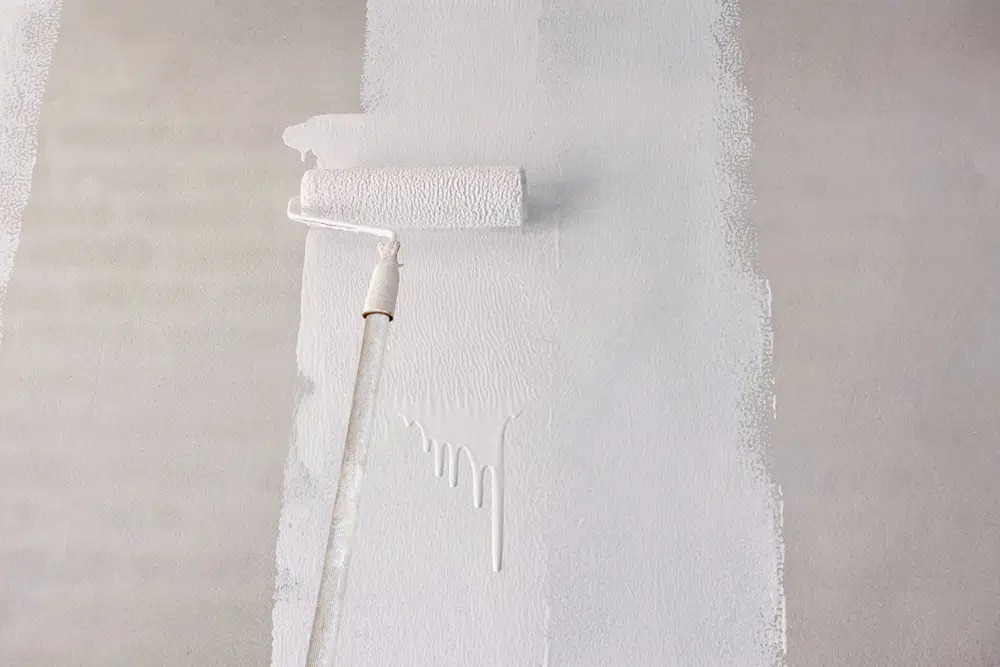
Not all paint is created equal when it comes to moisture resistance. In high-humidity regions:
Use high-quality 100 % acrylic latex paint
Acrylic latex paints bond strongly to surfaces and remain flexible as temperatures and moisture levels fluctuate. They also tend to allow trapped moisture to escape rather than sealing it under the paint film, which reduces blistering and peeling.
Select breathable, moisture-resistant primers
Primers are your first line of defense. In humid conditions, pick a primer formulated to block moisture from penetrating the substrate while still letting vapor escape. Products designed specifically for exterior humid climates create a stable base that helps prevent peeling later on.
Look for mildew- and mold-resistant formulations
Paints with built-in mildew inhibitors are especially valuable in areas that stay damp or shaded — both common traits of humid Texas neighborhoods.
Matching your primer and paint to the climate gives your exterior finish a strong start.
Surface Preparation: The Most Important Step
Even the best paint can fail if the surface isn’t properly prepared. In high humidity, taking the time to prep right is even more critical.
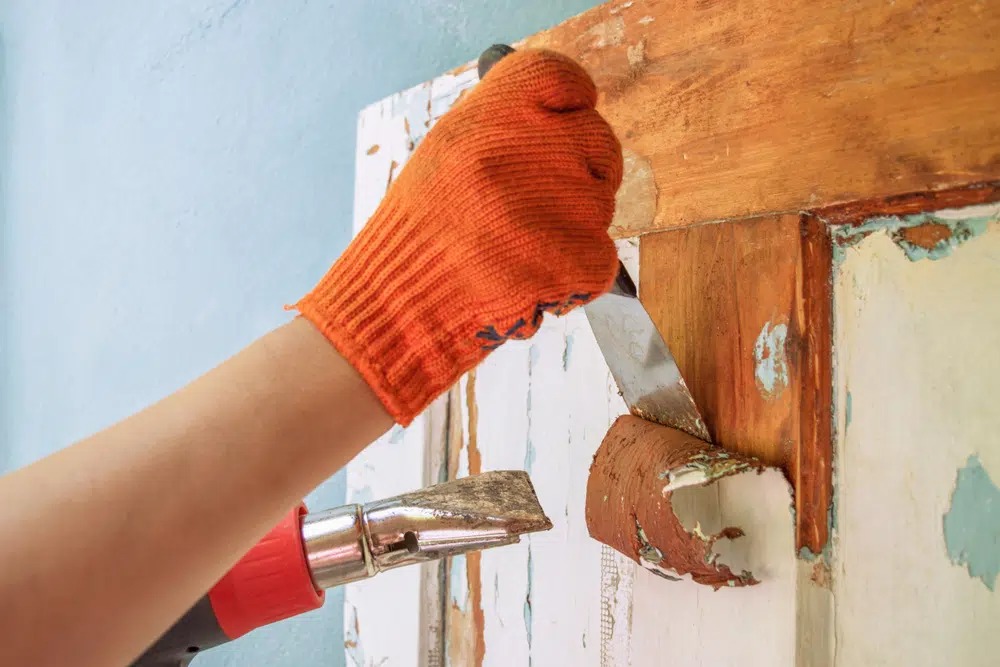
Remove Loose or Failing Paint
Peeling often spreads if you leave old, loose paint beneath a new coat. Scrape or power-wash away all peeling areas before starting.
Thoroughly Clean Surfaces
Dirt, mildew, chalk, or grime can stop fresh paint from sticking. Use a cleaner or a mild bleach solution to remove contaminants and let the surface dry completely — a must before priming.
Repair and Fill Cracks
Humidity can slip through tiny cracks and gaps. Patch and seal cracks, holes, and joints with appropriate exterior fillers or caulks prior to painting.
Test for Moisture Before Painting
Using a moisture meter on wood or masonry will tell you whether walls are too damp to paint. Painting over moist substrates is a leading cause of future peeling.
Well-prepared surfaces give paint something solid to adhere to — and that’s half the battle in humid regions.
Timing Your Project Around Weather Patterns
Timing matters just as much as materials and prep:
- Ideal humidity for painting: Aim for relative humidity between about 40 % and 70 % to give paint a chance to dry evenly and bond well. Above about 70 % humidity, drying slows dramatically and peeling risk increases.
- Temperature matters too: Painting late spring through early fall often works best in Texas — just plan around periods of prolonged rain or roads of summer storms.
- Pick the right time of day: Painting mid-morning to mid-afternoon can avoid early morning dew and evening condensation — both sources of moisture that harm adhesion.
Waiting for the right window — even if it means postponing a weekend project — pays off in long-lasting results.
Manage Moisture Around and Under the Paint
Preventing peeling isn’t just about painting — it’s about controlling moisture sources:
Improve Ventilation
Roof vents, soffit vents, and attic ventilation help excess moisture escape, reducing the damp conditions that contribute to peeling.
Maintain Gutters, Downspouts & Drainage
Water pooling near walls increases humidity on exterior surfaces. Ensuring water flows away from your home cuts down moisture exposure.
Fix Leaks Promptly
Roof, window, or plumbing leaks raise interior and exterior moisture levels — a direct route to paint failure. Fixing leaks before repainting protects the surface.
Addressing these broader moisture concerns reinforces the value of your paint job and helps keep peeling at bay.
Painting Techniques That Resist Peeling
Once you’ve chosen the right materials and prepared the surface:
- Apply thin, even coats: Heavy or thick coats take longer to dry and increase the risk of trapping moisture under the film.
- Extend drying time between coats: Humidity slows drying. Don’t rush the second coat; always follow or exceed the paint manufacturer’s recommended dry times in high-moisture conditions.
- Use quality tools and application methods: Brushes, rollers, and sprayers designed for exterior paint help ensure a consistent, durable finish.
Thoughtful application means paint can properly bond and cure — a crucial step before humidity becomes a challenge.
Regular Maintenance Extends Paint Life
Even the best-executed paint job benefits from ongoing attention:
- Inspect surfaces regularly: Catch small defects like early blistering or cracks before they turn into larger peeling areas.
- Clean walls seasonally: Removing mildew, pollen, and dirt helps preserve the paint film and prevents moisture buildup.
- Touch up early: Small touch-ups preempt bigger repairs later.
In humid climates, a bit of proactive maintenance goes a long way toward keeping your home’s exterior looking sharp and strong.
Final Thoughts
Peeling paint in humid regions of Texas isn’t inevitable — it’s a problem with known causes and proven solutions. By choosing the right products, preparing surfaces correctly, timing your project, controlling moisture, and maintaining finishes, you can protect your home’s exterior and enjoy a paint job that stands up to heat, humidity, and seasonal storms alike.
With a thoughtful approach, you’ll not only preserve your home’s curb appeal, you’ll also save money and stress over the long term — because no one wants to repaint sooner than necessary in a climate that already puts wear and tear on everything from wood trim to siding.

Comments (0)
No comments yet. Be the first to share your thoughts.
Leave a comment