


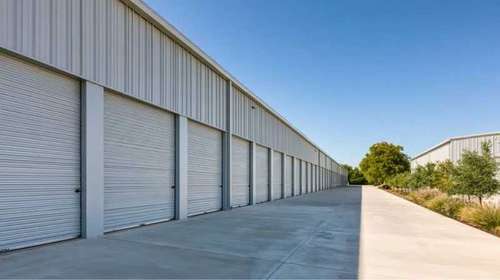
Finding extra space for household belongings, business inventory, seasonal items, or personal possessions can make self-storage a practical option. However, storage facilities offer different unit sizes, access policies, security features, climate options, and rental terms. Understanding these differences can help renters select a unit that fits their needs without paying for unnecessary space.
When comparing self storage Austin TX options, renters should consider the type and quantity of items they plan to store, how frequently they need access, and how long they expect to rent the unit. Location, security, accessibility, pricing, and available unit features can also influence which facility is appropriate.
Determine How Much Storage Space You Need
One of the first decisions is choosing the right unit size. Renting a unit that is too small can make organization difficult, while choosing one that is significantly larger than necessary may result in unnecessary costs.
Make an Inventory
Before visiting a storage facility, create a basic inventory of the items you plan to store. Grouping belongings by category can make it easier to estimate the amount of space required.
Consider items such as:
- Furniture and appliances
- Boxes of household belongings
- Seasonal decorations
- Business equipment
- Documents and supplies
- Sports or recreational equipment
When possible, leave enough room to create walkways so you can reach items stored toward the back of the unit.
Consider the Type of Storage Unit
Storage facilities may offer several unit types designed for different belongings and storage requirements.
Standard Storage
Standard units are suitable for many everyday household and business items. They are often available in various sizes, making it easier to select a unit based on the amount of property being stored.
Climate-Controlled Storage
Austin's hot and humid weather can be a consideration when storing sensitive belongings. Climate-controlled units are designed to maintain a more consistent indoor environment than standard units.
These units may be worth considering for items such as:
- Electronics
- Wooden furniture
- Important documents
- Musical instruments
- Artwork
- Temperature-sensitive belongings
Always ask the facility what environmental controls are provided and whether they are appropriate for your specific items.
Think About Accessibility
How often you plan to access your belongings can affect which facility and unit are most convenient.
Access Hours
Some facilities provide extended access hours, while others have more limited schedules. If you expect to visit the unit frequently, check the facility's current access policy before signing a rental agreement.
Consider whether you need convenient access for:
- Moving or relocating
- Business inventory
- Seasonal equipment
- Frequent household item retrieval
- Vehicle or recreational equipment storage
A convenient location can also save time when you need to visit the unit regularly.
Review Security Features
Security is another important factor when comparing storage facilities. Facilities may use different combinations of physical and electronic security measures.
Features to Look For
Depending on the facility, security features may include:
- Gated entry
- Individual access codes
- Surveillance cameras
- On-site lighting
- Perimeter fencing
- On-site management
Ask how access is controlled and whether there are specific security procedures for renters.
Understand Pricing and Rental Terms
Storage prices can vary based on unit size, location, features, and availability. Before renting, ask for a clear explanation of the total cost.
Check for Additional Fees
In addition to the advertised rental price, there may be administrative fees, deposits, insurance requirements, or other charges. Ask whether the monthly rate can change and what notice is provided before a price adjustment.
Review the rental agreement carefully so you understand payment dates, access rules, late fees, cancellation procedures, and other conditions.
Prepare Your Items for Storage
Proper preparation can help protect belongings during storage. Clean and dry items before packing them, and use sturdy boxes or appropriate containers.
Avoid placing heavy objects on fragile items, and label boxes clearly so you can identify their contents without opening every container.
Final Thoughts
Choosing the right self-storage unit in Austin requires more than comparing monthly prices. Unit size, climate control, accessibility, security, location, and rental terms should all be considered before making a decision.
By creating an inventory, estimating the space required, understanding facility features, and reviewing the rental agreement, renters can select a storage solution that better matches their belongings and how often they need access to them.
Comments (0)
No comments yet. Be the first to share your thoughts.
Leave a comment