


Texas has always been defined by movement. Cattle drives, railroads, oil pipelines, and highways have shaped how people live, work, and connect across the state. Among all those routes, Interstate 40 stands out as one of the most important. Stretching across the Texas Panhandle, I-40 did more than replace an old road. It reshaped towns, transformed the economy, and changed how Texans interacted with the rest of the country.
This highway runs only a few hundred miles inside Texas, but its impact reaches far beyond its length. To understand why, it helps to look at what came before it, how it was built, and what followed once the pavement was laid down.
Before I-40: Life Along Route 66
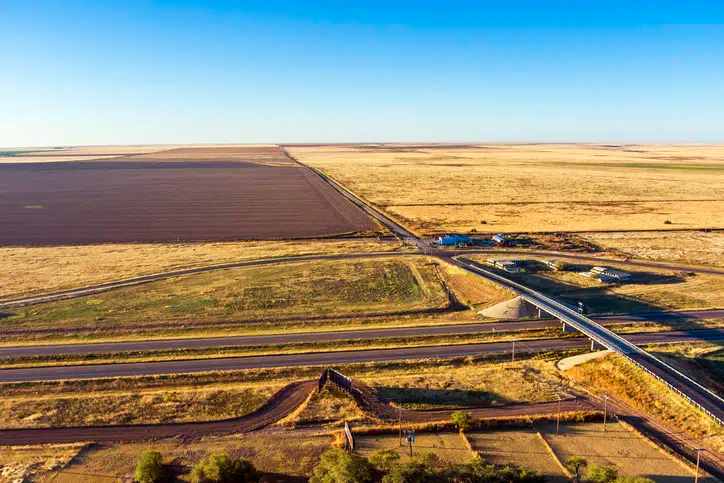
Long before Interstate 40 existed, U.S. Route 66 served as the main east to west road across the Panhandle. Opened in the 1920s, Route 66 passed directly through town centers. Travelers stopped for gas, food, and lodging. Local diners, motels, and souvenir shops thrived on the steady flow of cars.
In Texas, Route 66 crossed towns like Shamrock, Amarillo, Vega, Adrian, and Groom. These communities became known stops for Dust Bowl migrants, military convoys during World War II, and families heading west in search of opportunity.
Route 66 shaped the rhythm of daily life. Traffic slowed down for traffic lights. Drivers parked along main streets. Business owners knew that if they could catch a traveler’s eye, they had a good chance of making a sale.
But Route 66 had limits. It was narrow, often dangerous, and not built for growing postwar traffic. As cars became faster and heavier, congestion and accidents increased. The nation needed something bigger.
The Interstate Highway System Arrives
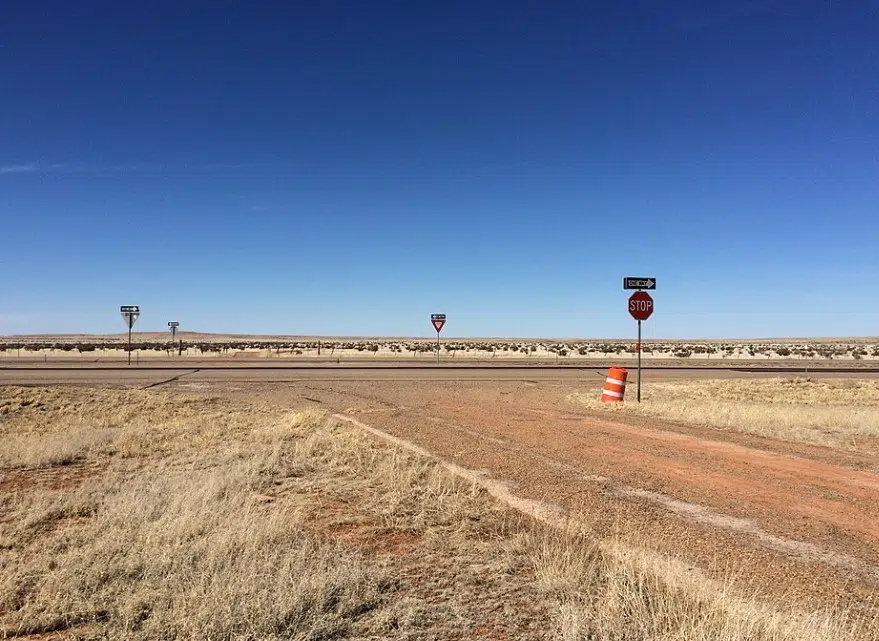
Cedorris, At Grade Intersection on I-40 in Texas, CC BY-SA 4.0
In the mid-1950s, the federal government launched the Interstate Highway System. The goal was speed, safety, and national defense. Highways would be wide, divided, and controlled-access. No traffic lights. No direct driveways. Just long stretches of open road.
Interstate 40 was designed to replace Route 66 across much of the Southwest. In Texas, construction began in the late 1950s and continued through the 1960s. Engineers often built the new road just south of Route 66, but not close enough to serve the same downtown corridors.
That decision changed everything.
Amarillo Becomes a Regional Powerhouse
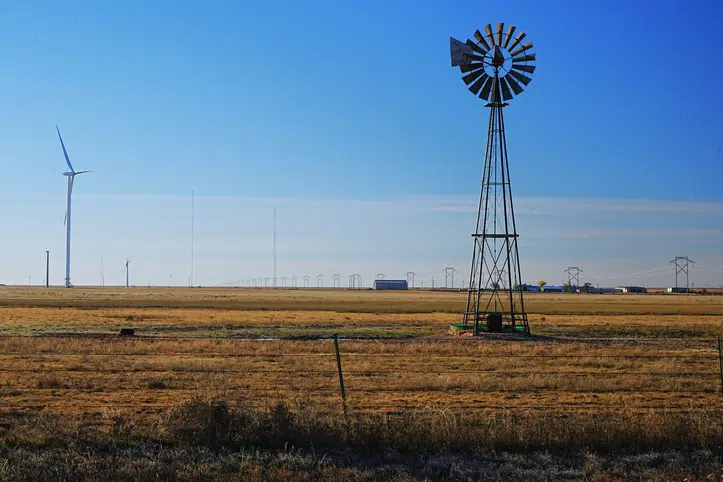
No Texas city felt the impact of I-40 more than Amarillo. Already a hub for cattle, railroads, and oil, the city was well-positioned to benefit from a modern interstate.
With I-40 skirting the southern edge of town, Amarillo gained fast connections to Oklahoma City, Albuquerque, and beyond. Trucking companies moved in. Warehouses followed. Distribution centers found it easier to serve multiple states from one central location.
New hotels, restaurants, and shopping centers sprang up near interstate exits. Entire commercial districts shifted southward, away from old Route 66 corridors.
Amarillo’s growth accelerated. The city became a major stop for cross-country freight and a key service center for the Panhandle. Without I-40, that expansion would have looked very different.
Small Towns Left Behind
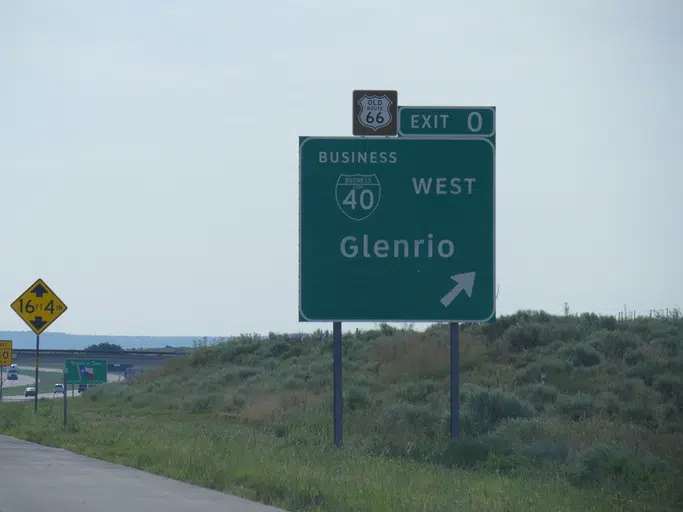
While Amarillo thrived, many smaller towns struggled.
Route 66 had once funneled travelers straight past local storefronts. Interstate 40 sent them around town instead. Cars sped by at highway speeds with little reason to exit unless fuel or rest was needed.
Places like Glenrio and Adrian saw traffic drop almost overnight. Motels closed. Cafes shut their doors. Gas stations that once served families heading west found themselves with empty pumps.
Some towns adapted by building services near interstate exits. Others could not afford the investment or lacked the population to support it. Over time, many Route 66 communities shrank or disappeared altogether.
The interstate did not destroy these towns on purpose, but it changed the rules of survival. Visibility and convenience mattered more than charm and tradition.
A New Economy Built on Speed
Interstate 40 helped push Texas toward a faster, more logistics-driven economy. Goods could move across the state with fewer delays. Perishable items reached markets more quickly. Manufacturing plants could rely on just-in-time delivery systems.
The Panhandle became more connected to national supply chains. Agriculture benefited from easier shipping of beef, grain, and produce. Energy companies moved equipment and materials more efficiently.
This shift favored large-scale operations over small, local businesses. Speed and volume mattered. That reality shaped economic development strategies for decades to come.
Changing How Texans Traveled
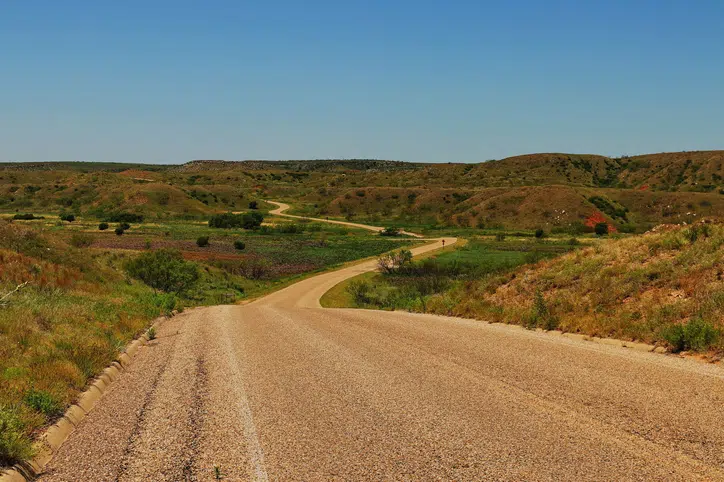
Before I-40, long road trips were slow and personal. Drivers stopped often. They chatted with locals. Kids pressed their faces against diner windows while waiting for burgers and milkshakes.
Interstate travel changed that experience. Trips became faster and more predictable. Rest stops replaced town squares. Chain restaurants offered familiar menus no matter where you were.
For Texans, this meant easier access to other states and regions. A drive from Amarillo to Oklahoma City or Albuquerque became a routine trip instead of an adventure.
Families traveled farther and more often. Tourism patterns shifted. The Panhandle felt less isolated and more connected to the broader Southwest.
Military and National Defense Importance
One reason the federal government invested so heavily in the interstate system was national defense. Interstate 40 played a role in that mission.
The highway allowed rapid movement of military equipment across the country. Bases in Texas and neighboring states could be supplied more efficiently. In emergencies, evacuation and mobilization routes were clearer and safer.
During the Cold War, this mattered. Texas sat at a crossroads of military logistics, and I-40 strengthened that position.
The Rise of Car Culture and Roadside Chains
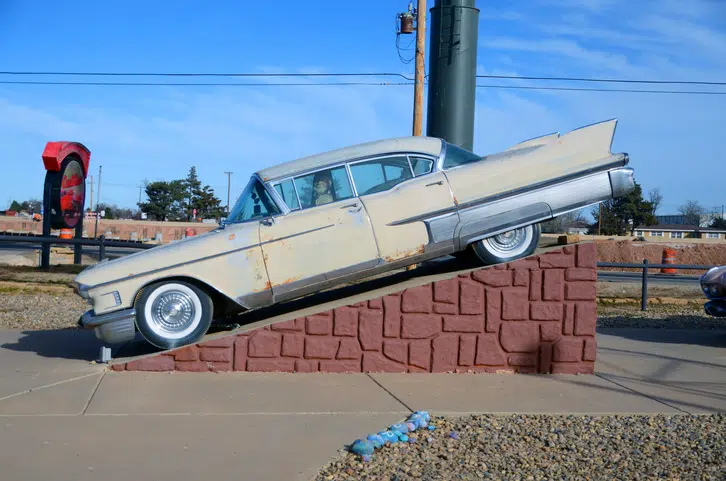
Interstate 40 accelerated the rise of standardized roadside culture. National motel chains, fast food restaurants, and service plazas replaced local businesses.
Travelers knew what to expect when they exited the highway. Clean rooms. Predictable prices. Familiar brands.
For some, this brought comfort and convenience. For others, it meant the loss of regional character. Unique roadside attractions struggled to compete with consistency and marketing budgets.
Texas towns along I-40 became part of a national travel network rather than isolated stops with distinct personalities.
Route 66 Becomes History
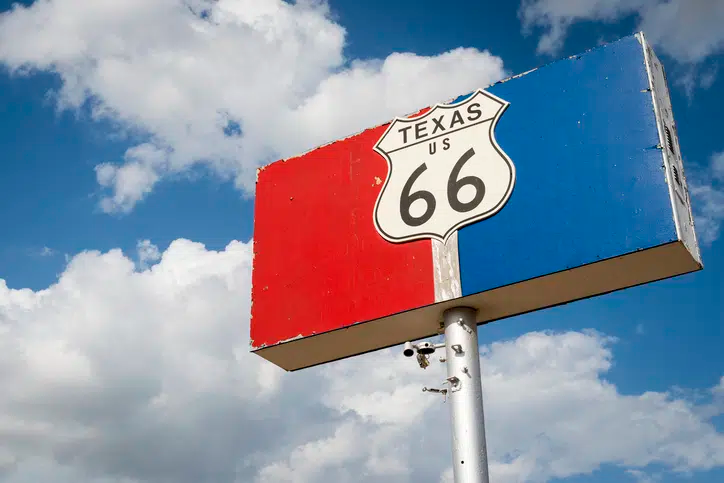
As Interstate 40 opened section by section, Route 66 faded into history. By the 1980s, it was officially decommissioned.
In Texas, pieces of the old road remained. Some were absorbed into local streets. Others were left to crumble. A few communities embraced Route 66 nostalgia, restoring signs, diners, and motels as tourist attractions.
That revival brought limited economic relief, but it never replaced what was lost. The interstate had permanently shifted traffic patterns and traveler habits.
Still, Route 66 became part of Texas folklore, a reminder of a slower era when the journey mattered as much as the destination.
Environmental and Land Use Changes
Building Interstate 40 required vast amounts of land. Farms were divided. Ranch access roads changed. Wildlife migration patterns were altered.
The highway encouraged suburban development near exits, especially around Amarillo. Open land turned into parking lots, warehouses, and service centers.
At the same time, rural areas away from the interstate saw less investment. The road concentrated growth in specific corridors, leaving other regions quieter and less developed.
These patterns continue to shape land use decisions across the Panhandle.
A Cultural Shift in the Panhandle
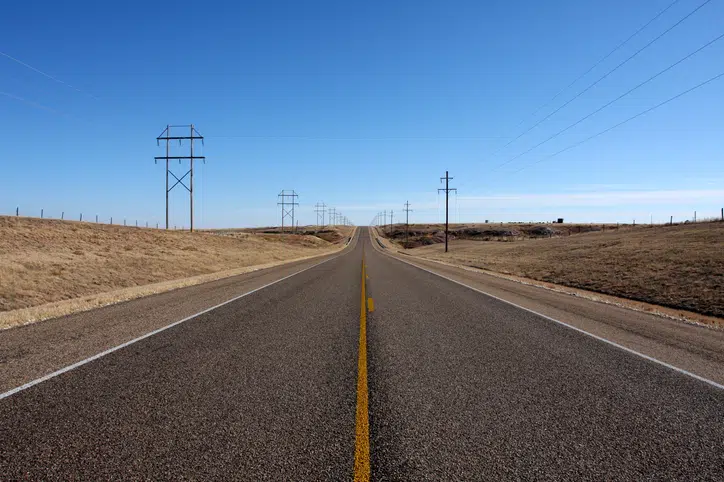
Interstate 40 did not just change commerce. It changed how people saw the Panhandle.
Once considered remote and hard to reach, the region became a pass-through for millions of travelers each year. That visibility brought new ideas, influences, and expectations.
Residents encountered people from all over the country. Businesses adapted to serve a broader audience. Local culture blended with national trends.
The Panhandle became less isolated, but also less insular. That balance between connection and identity remains a topic of conversation today.
Safety and Modernization
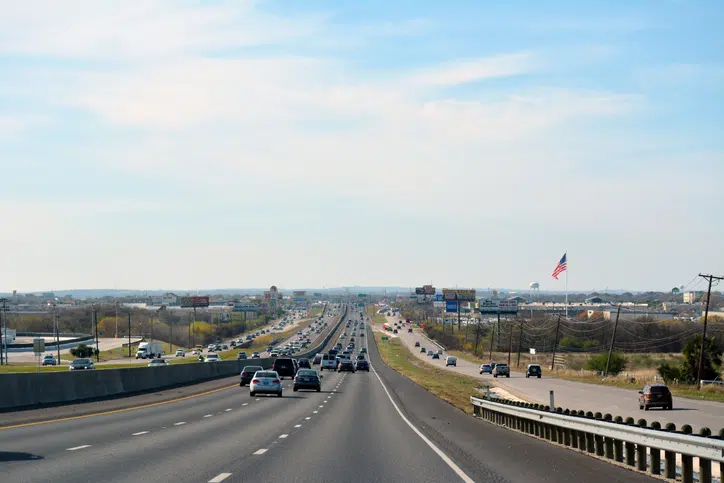
Despite the disruptions, Interstate 40 made travel safer. Divided lanes reduced head-on collisions. Better engineering lowered accident rates. Emergency response improved with clearer access routes.
Weather conditions, especially high winds and winter storms, still challenge drivers. Even so, I-40 offers a safer alternative to the narrow highways that came before it.
For Texans who rely on long-distance driving for work or family visits, that safety matters.
The Long-Term Legacy
Decades after its completion, Interstate 40 continues to shape Texas in visible and subtle ways. It supports commerce, tourism, and daily travel. It defines where businesses cluster and where towns grow or decline.
The highway also serves as a reminder that progress comes with trade-offs. Speed and efficiency often replace intimacy and local flavor. Communities must adapt or risk being bypassed.
For Texas, I-40 represents a turning point. It pulled the Panhandle firmly into the modern transportation network and tied it more closely to the national economy.
Why Interstate 40 Still Matters Today
Even now, decisions about infrastructure echo the lessons of I-40. Where a road is placed can determine a town’s future. Access matters. Visibility matters.
As Texas continues to grow and modernize, the story of Interstate 40 offers insight into how transportation shapes identity, opportunity, and connection.
It is more than a stretch of concrete. It is a force that changed how Texans move, trade, and see themselves in the wider world.
And every time a car speeds across the Panhandle without stopping, that legacy continues.

Comments (0)
No comments yet. Be the first to share your thoughts.
Leave a comment