


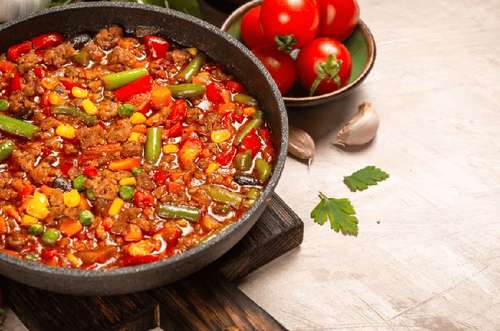
When people think about Mexican food today, they often picture grocery store aisles filled with tortillas, sauces, taco kits, and canned beans. Mexican food has become a familiar part of everyday life across the United States and far beyond. That level of popularity did not happen overnight. It grew slowly, shaped by local restaurants, family recipes, and small businesses that saw an opportunity to bring border flavors to a wider audience.
One of those businesses was Ashley’s of El Paso. Though it is no longer widely known outside Texas history circles, Ashley’s played a meaningful role in helping Mexican food move from local kitchens into homes across the country. Its story is closely tied to El Paso itself, a city whose location, culture, and food traditions made it a natural gateway for sharing Mexican cuisine with the rest of the world.
El Paso’s Unique Food Position

El Paso sits at the far western tip of Texas, directly across the border from Ciudad Juárez, Mexico. For generations, people, goods, and ideas moved freely across this border region. Food traditions blended naturally. Families cooked meals influenced by Mexican home cooking, Texas ranch culture, and American tastes.
Long before Mexican food became common in U.S. supermarkets, it was already a daily reality in El Paso. Dishes like enchiladas, tamales, rice, beans, and fresh tortillas were not seen as exotic. They were familiar, affordable, and deeply rooted in everyday life.
This environment made El Paso fertile ground for food businesses. Locals understood the flavors, while visitors and newcomers were curious about them. That combination helped create a bridge between regional cooking and commercial opportunity.
The Beginnings of Ashley’s
Ashley’s story begins during the early decades of the 20th century, a time when food businesses were often small, family-run operations. George Ashley, along with support from his mother Ida Ashley, opened a Mexican restaurant in El Paso. The restaurant served traditional dishes based on local tastes rather than adjusted versions aimed at outsiders.
The popularity of the restaurant revealed something important. People wanted these foods beyond the dining room. They wanted to take them home. They wanted the sauces, the rice, and the tortillas in forms that were easy to prepare.
Ashley saw that demand and acted on it.
From Restaurant to Cannery
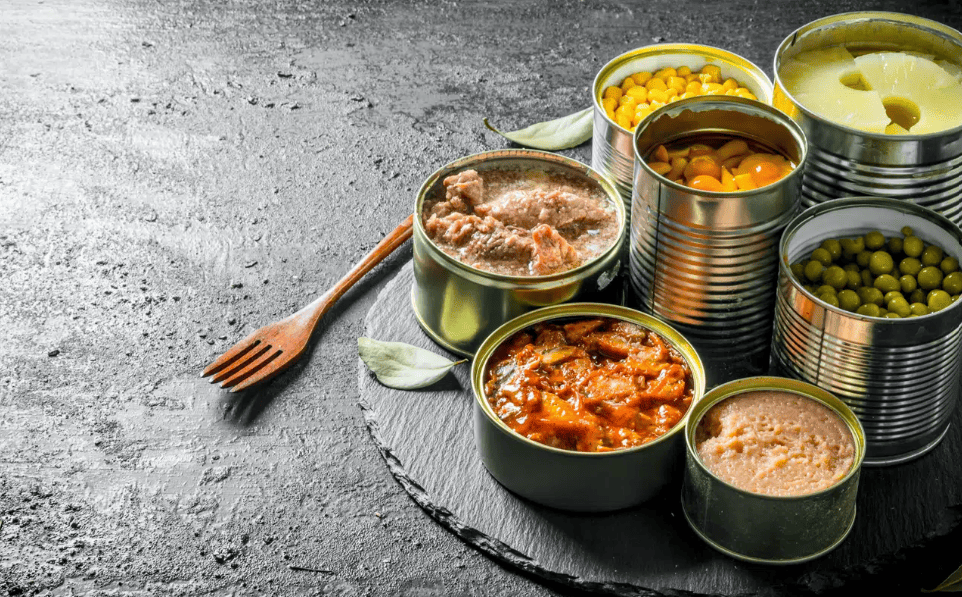
One of the most important steps Ashley’s took was moving into food production. Instead of serving meals only on-site, the company began canning Mexican food items. This included enchilada sauce, chili, beans, and prepared rice.
At the time, this was a forward-thinking move. Canned foods were becoming popular across the United States due to their convenience and long shelf life. By packaging Mexican food in cans, Ashley’s made it possible for people far from the border to try these dishes at home.
This shift changed the scale of the business. Ashley’s was no longer just a local restaurant. It became a supplier, distributing products to grocery stores and wholesalers.
Tortillas as a Breakthrough Product

One of Ashley’s most influential contributions came through tortilla production. Fresh tortillas had always been central to Mexican cooking, but they were not widely available in packaged form during the early 20th century.
Ashley’s began producing tortillas in larger quantities, supplying not only restaurants but also local stores. Over time, the company became one of the largest tortilla suppliers in El Paso.
This mattered because tortillas are a foundation food. Once tortillas are available, other dishes follow. Tacos, enchiladas, burritos, and wraps all depend on them. By making tortillas accessible, Ashley’s helped open the door for Mexican-style meals to become everyday food for a broader audience.
Timing and Opportunity
Ashley’s growth happened during a period when American eating habits were changing. After World War II, convenience became a major selling point in food. Families wanted meals that were quick, affordable, and easy to prepare.
Canned sauces and pre-made tortillas fit that need. They allowed home cooks to experiment without learning complex recipes from scratch. This made Mexican food less intimidating to people who had never cooked it before.
At the same time, Americans were becoming more open to new flavors. Travel, migration, and media exposure all played a role. Mexican food stood out because it was flavorful, filling, and adaptable.
Ashley’s products met consumers at the right moment.
El Paso as a Food Exporter
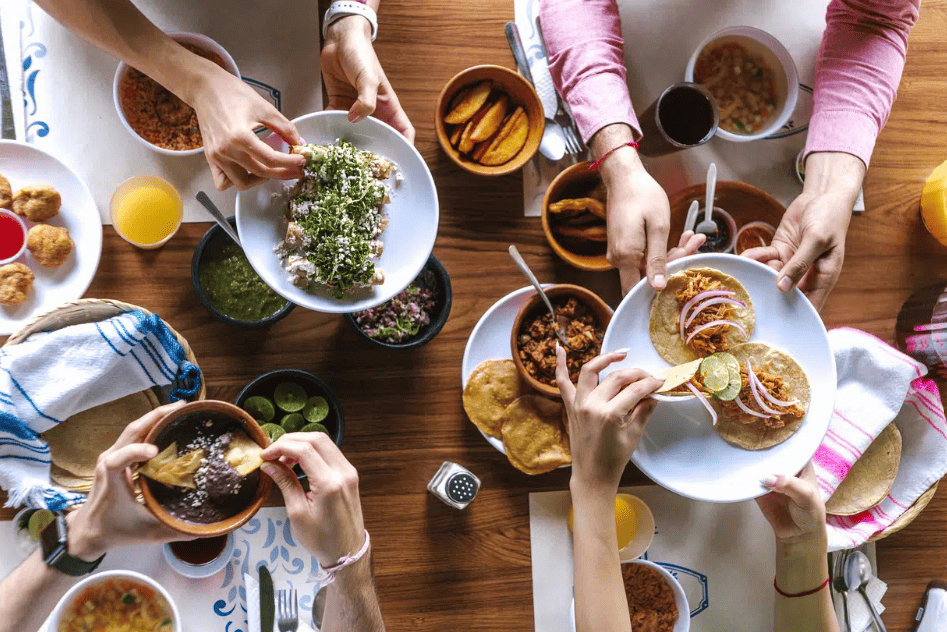
Ashley’s success was not isolated. Other El Paso businesses were also producing Mexican food items for wider distribution. Together, these companies helped establish the city as a key exporter of Mexican-inspired foods.
El Paso’s role often goes unrecognized in national food history. Many people associate Mexican food’s rise with California or the Southwest in general. In reality, El Paso was one of the earliest places where Mexican food entered American commercial systems.
Ashley’s helped prove that Mexican food could be standardized, packaged, and sold nationally without losing its appeal.
Influence on Later Brands
While Ashley’s itself never became a global household name, its model influenced later brands that did. The idea of selling complete Mexican meal components in grocery stores became common in the decades that followed.
Large brands learned from early companies like Ashley’s. They saw that sauces, tortillas, and seasoning mixes could introduce Mexican food to people who had never eaten it before. Over time, this approach led to entire supermarket sections dedicated to Mexican cuisine.
Ashley’s helped lay that groundwork by showing that demand existed and could be sustained.
Food as Cultural Exchange
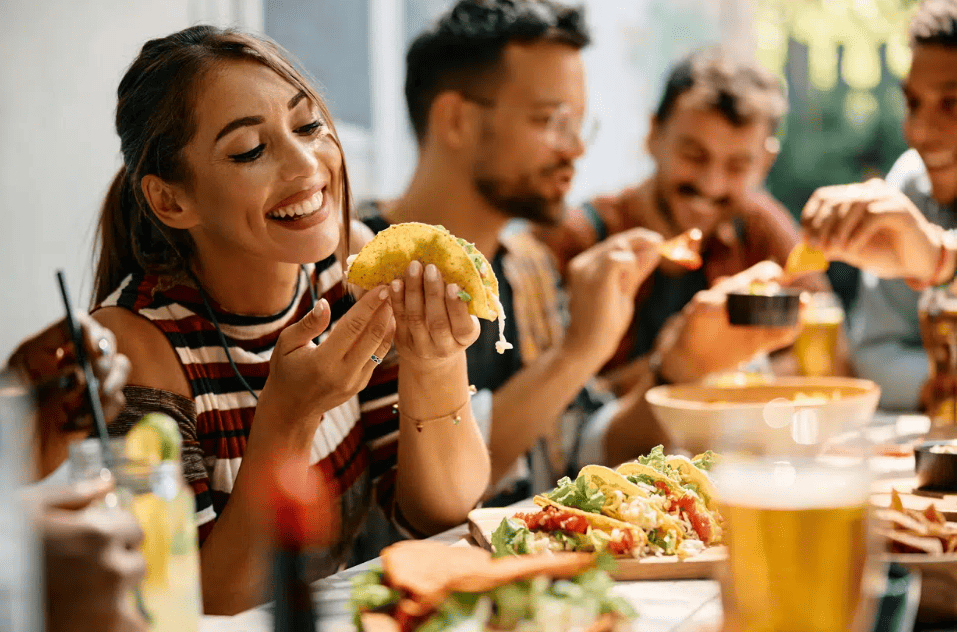
Beyond business, Ashley’s story reflects something deeper about food and culture. When food moves from one region to another, it carries history, tradition, and identity with it.
Mexican food entering American kitchens was not just about taste. It represented a growing awareness of border cultures and shared histories. In El Paso, that connection had always been present. Ashley’s simply helped share it more widely.
This exchange was not perfect or complete. Some flavors were adjusted. Some recipes were simplified. Even so, the core of the cuisine remained recognizable and appealing.
Challenges and Change
Like many mid-century food businesses, Ashley’s eventually faced challenges. Changes in ownership, competition from larger corporations, and shifting consumer preferences all played a role.
As national brands grew larger and more powerful, smaller regional companies struggled to compete. Distribution networks became more centralized. Marketing budgets grew. Shelf space became harder to secure.
Ashley’s gradually faded from prominence, but its influence did not disappear.
Why Ashley’s Still Matters
Today, Mexican food is one of the most popular cuisines in the United States. It appears everywhere from fast-food chains to home kitchens to fine dining menus. That level of acceptance did not happen by chance.
Companies like Ashley’s helped make Mexican food familiar before it became mainstream. They introduced products that reduced barriers and invited curiosity.
Ashley’s also represents a time when local knowledge mattered deeply. The company was rooted in El Paso’s food culture. It understood the flavors because it lived them daily. That authenticity helped its products succeed.
Remembering Regional Food History
Food history often focuses on big brands and national trends. Smaller regional stories like Ashley’s deserve attention because they explain how those trends began.
Ashley’s reminds us that food movements often start quietly. A restaurant notices customer interest. A family experiments with packaging. A local product finds a wider audience.
These small steps can shape national eating habits.
El Paso’s Ongoing Food Legacy
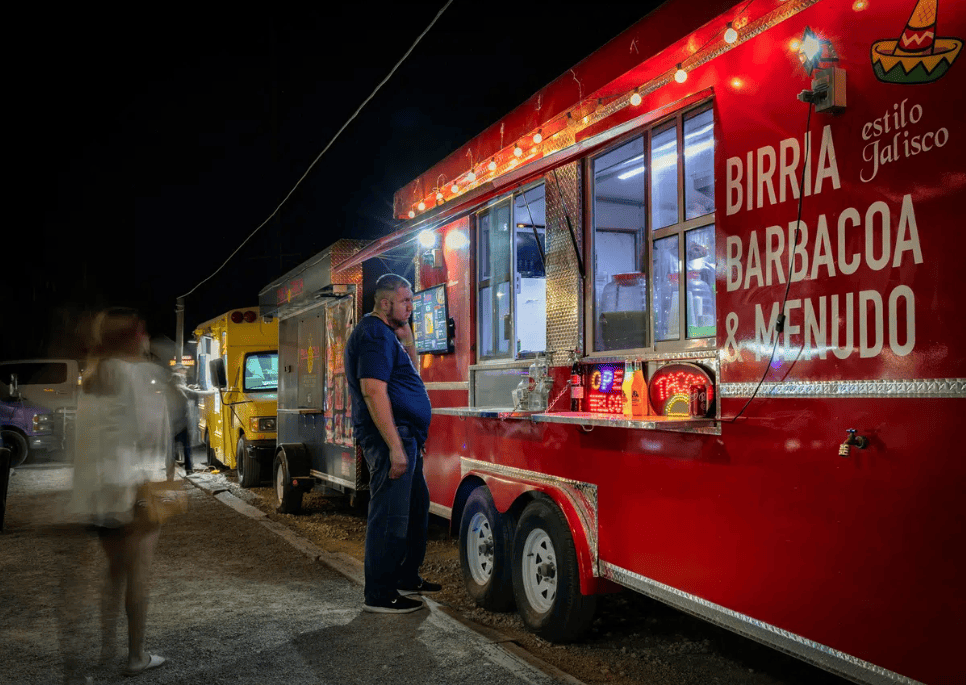
El Paso continues to influence Mexican food today. The city remains a place where traditional recipes and modern food businesses intersect. Restaurants, bakeries, and food producers still draw from generations of border cooking.
Ashley’s belongs to that larger story. It represents an early chapter in how El Paso helped introduce Mexican food to America and beyond.
A Lasting Impact
Even though Ashley’s name may not be familiar to most people today, its impact lives on every time someone opens a jar of enchilada sauce or warms tortillas for dinner.
The convenience of Mexican food products, the confidence to cook these dishes at home, and the widespread acceptance of these flavors all connect back to early efforts like Ashley’s.
It is a reminder that food history is often shaped by practical decisions made in local communities. In El Paso, those decisions helped change what the world eats.
Final Thoughts
Ashley’s of El Paso was more than a restaurant or a cannery. It was part of a larger movement that brought border food traditions into everyday life across the United States.
By turning familiar local dishes into accessible products, Ashley’s helped bridge cultures through food. Its story highlights El Paso’s unique role as a gateway city and underscores how regional businesses can leave a lasting mark.
Mexican food’s global popularity owes much to places like El Paso and to companies like Ashley’s that believed local flavors belonged everywhere.
Comments (0)
No comments yet. Be the first to share your thoughts.
Leave a comment