


Texas is known for wide-open land, big skies, and homes that often feel spacious at first glance. Many families move to Texas with the hope of spreading out and enjoying extra room. Over time, though, even a large home can start to feel tight. Kids get older, hobbies grow, new pets arrive, and daily life brings more items into the house. A space that once felt open can shift into something that feels crowded.
Home organization becomes a priority when a household gains new members or when needs begin to change. Texas families also deal with unique challenges. Weather affects storage choices. Outdoor lifestyles add gear. Homes in suburbs and major cities look different from homes in rural towns. Each type of home benefits from a simple system that helps everyone live comfortably.
This guide explores practical ways to organize a Texas home. It covers room-by-room solutions, storage ideas, and lifestyle tips that match the way Texans live. Everything is explained in a way that is easy to follow. The goal is to help your home feel calm, useful, and ready for a busy schedule.
Understanding How Texans Use Their Homes
Every home tells a story about the people who live there. Texas homes are no different. Many families enjoy outdoor activities such as sports, camping, and weekend trips. This creates a need for organized areas for equipment, tools, and clothing. Many households also blend work and school in one space. Remote work and online classes have increased. That means more desks, more screens, and more supplies.
Texas weather plays a major role. The summer heat can make garages feel harsh. Attics get hot. Outdoor storage must handle wind and sun. Organization plans must protect items from damage.
Growing households create other challenges. Children outgrow clothing and toys. Extra family members visit or stay. Kids switch from one activity to another. Hobbies change. If the home does not adjust, clutter grows and rooms feel smaller.
A good organization system in Texas does three things:
- Reduces clutter each month.
- Helps everyone find what they need.
- Saves time during busy weeks.
Creating a Plan That Fits Your Household
Before you reorganize your home, take time to understand what you need. A plan saves effort and prevents mistakes.
Step 1: Identify Problem Areas
Walk through your home and note the areas that feel crowded. Many Texas families report issues in these places:
- Entryways filled with shoes and bags.
- Living rooms used for multiple activities.
- Bedrooms shared by siblings.
- Pantries that fill up quickly.
- Garages storing too many items.
List these spaces and write down why they feel crowded.
Step 2: Set Goals for Each Area
Your goals should be short and clear. For example:
- “I want the garage to hold tools and sports gear only.”
- “I want the pantry arranged so items are easy to see.”
- “I want the kids’ room to have a clean play space.”
Short goals help guide decisions about what to keep and where things should go.
Step 3: Sort Before You Store
Before buying bins, shelves, or baskets, sort your items. Remove anything that no longer serves your household. Texans often hold onto tools, outdoor gear, and seasonal items longer than needed. Sorting helps open up space without spending money.
Room-by-Room Organization for Texas Homes
Every room benefits from simple systems that stay strong over time. The following sections give clear instructions for each part of the home.
The Entryway: Managing Daily Traffic
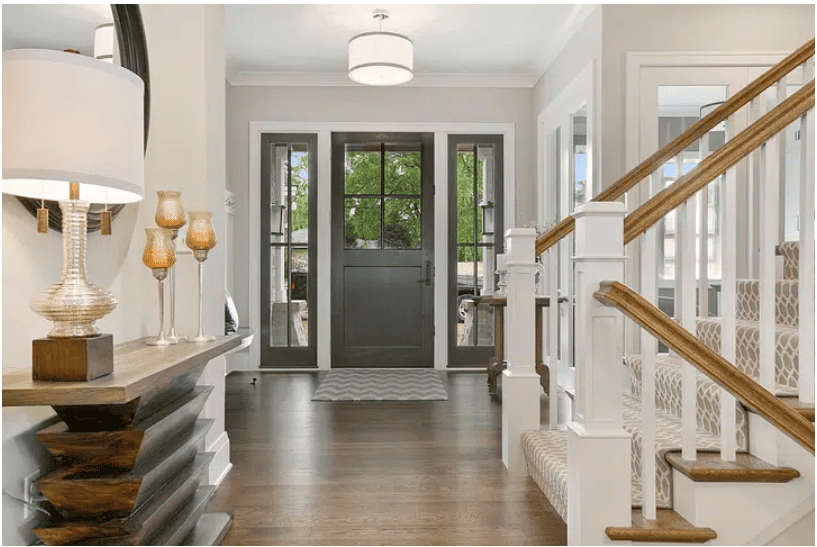
The entryway is often the most active spot in the house. It collects shoes, bags, work items, and small objects that appear the moment someone enters. A few consistent systems can keep this high-traffic space under control.
Strong wall hooks help keep coats, hats, backpacks, and bags off the floor. Many Texas families rely on hooks because they work well for all ages. Shoe shelves or baskets prevent footwear from spreading across the hallway. When shoes have a clear place, the entryway stays open and easy to walk through.
A small tray or bowl holds keys, sunglasses, and wallets. This stops these items from landing on tables throughout the home. Entryway needs also change with the season. Summer adds pool bags and flip-flops. Winter adds jackets. Adjusting storage during the year helps maintain order without effort.
The Living Room: Balancing Comfort and Activity

The living room does many jobs. It may be a gathering space, a homework spot, a play area, and a place to relax. All these activities bring items that can clutter the room without warning.
Furniture with storage helps keep the room tidy. Ottomans that open, coffee tables with drawers, and media stands with shelves let you store items without losing comfort. These pieces help the room stay welcoming even when the household grows.
Technology adds extra clutter. Chargers, remotes, controllers, and headphones spread fast. A small basket for electronics keeps everything together. Families with children benefit from labeled bins for toys and games. Labels help kids understand where items belong and make cleanup easier.
Decorations influence the feel of the room. Too many items can make the space feel crowded. A few meaningful decorations make the area warm and clean. Rotating decorative items throughout the year keeps the room fresh without adding clutter.
The Kitchen: Supporting Busy Schedules
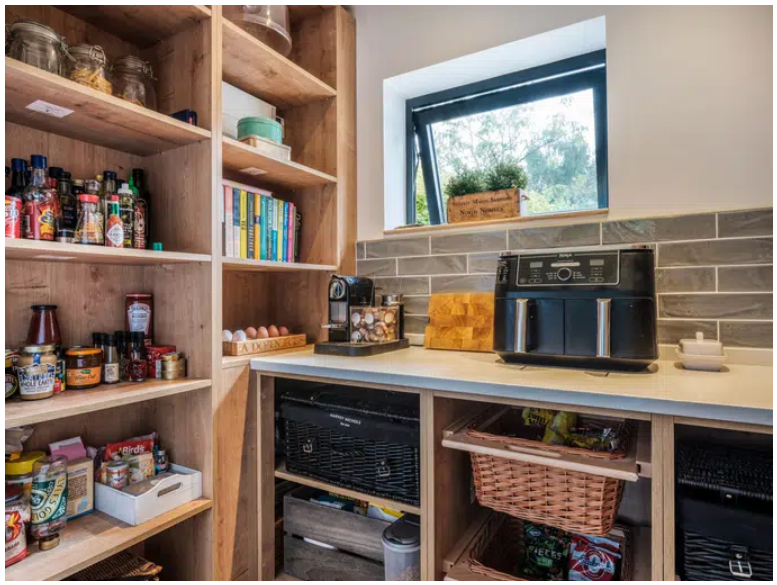
The kitchen is one of the most used rooms in any Texas home. Cooking, packing lunches, eating meals, and daily conversations all happen here. A clear and organized kitchen saves time, especially during busy weeks.
The pantry is the heart of kitchen organization. Grouping items reduces stress and prevents food waste. Clear bins help show what you have. Snacks, cereal, pasta, and baking ingredients stay neat when stored in simple containers. This makes meal planning easier.
Drawer dividers keep utensils from mixing. When drawers stay structured, you can grab tools without digging. Tall cabinets often have unused space, so vertical shelves or stackable racks help make the most of them.
Creating kitchen zones improves efficiency. Keep cooking tools near the stove, prep items near the sink, and lunch items near the fridge. Zones guide where things belong and reduce clutter throughout the day.
Bedrooms: Creating Peaceful Personal Spaces
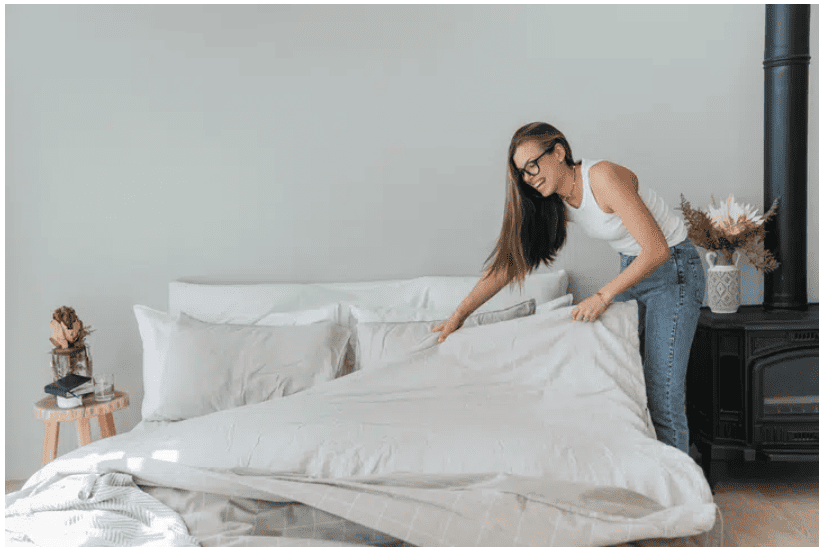
Bedrooms become crowded when items have no set place. Clothing, personal belongings, electronics, and hobby supplies accumulate over time. Good organization helps bedrooms feel calm and restful.
Closet systems help manage clothing. Shelves and baskets separate everyday items from seasonal clothing. A laundry basket in each bedroom keeps dirty clothes from spreading across the room.
Nightstands and dressers fill up fast. Keeping these surfaces simple reduces mental clutter. A small tray for everyday items helps contain the things you use most. Kids’ and teens’ rooms benefit from adjustable storage that grows with them. Cubbies, shelves, and bins help separate schoolwork, toys, and hobby supplies.
Under-bed storage works well in Texas homes with tall bed frames. Rolling bins hold seasonal clothing, bedding, shoes, or toys.
The Bathroom: Improving Daily Routines
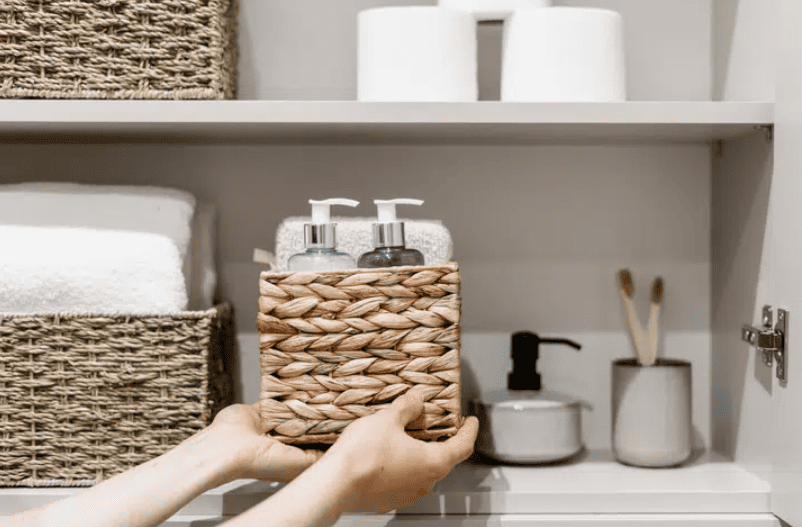
Bathrooms support busy mornings, which makes organization important. A small space can feel crowded when several people share it.
Daily-use bins keep each family member’s essentials together. This helps prevent counters from overflowing with random products. Shelves above toilets or next to sinks add storage without taking up floor space.
Towel hooks work well for households with kids. They make it easier to hang towels quickly. Keeping only essential toiletries in the bathroom helps reduce clutter. Extra products can live in a hallway closet until needed.
The Laundry Room: Staying Ahead of Constant Loads
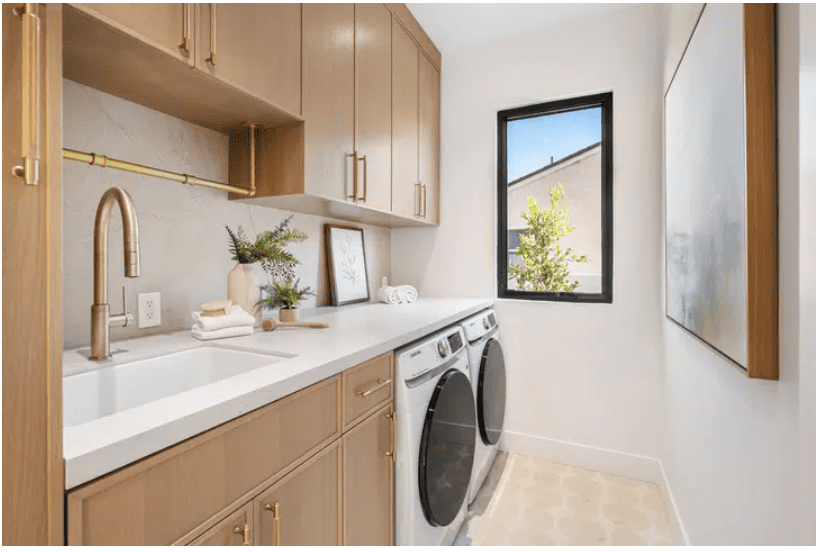
Laundry rooms in Texas homes work hard because families often deal with school uniforms, outdoor clothing, work outfits, and weekend wear. Without a plan, laundry spreads into other rooms.
Sorting stations keep the process simple. Bins for lights, darks, and towels prevent piles from forming on the floor. A hanging rod helps with items that need air drying. Folding clothes right away helps prevent baskets from piling up in bedrooms and hallways.
A simple schedule helps maintain control. Even a small routine, such as washing one load each day, keeps the system moving.
Kids’ Rooms: Adjusting With Growth
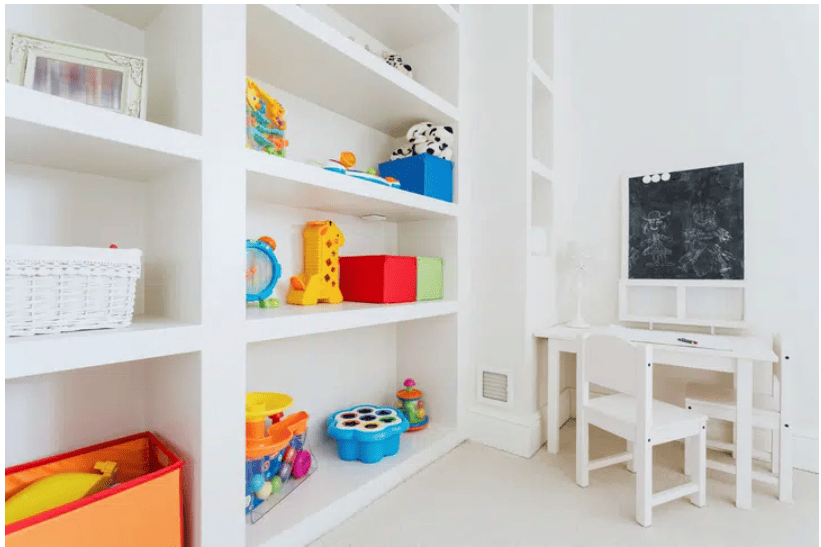
Kids’ rooms need flexible systems because children change quickly. Their belongings shift from toys to crafts, then to schoolwork and hobbies. A clear layout helps the space grow with them.
Zones work well for kids:
- A sleep zone with a clean, calm bed area
- A study zone with a small desk or table
- A play zone with accessible storage
Picture labels guide younger kids and word labels guide older kids. Rotating toys helps reduce clutter and keeps the room interesting. Shared rooms benefit from personal bins or shelves so each child has their own space.
Home Office Spaces: Staying Focused and Organized
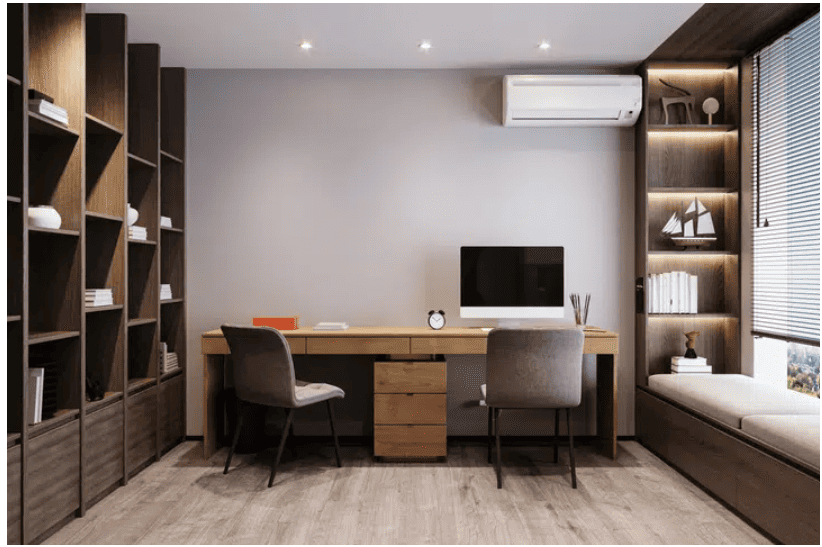
Working or studying at home is common in Texas. A functional home office helps maintain concentration and energy. When desks get covered in paperwork, supplies, or cables, work becomes more difficult.
A clean desk policy helps. Keep only items needed for the day on the surface. Store everything else nearby. Cable clips or Velcro ties stop cords from becoming a tangled pile. A small filing system keeps papers separated. Good lighting keeps the workspace comfortable and productive.
The Garage: Making the Most of a Big Texas Space
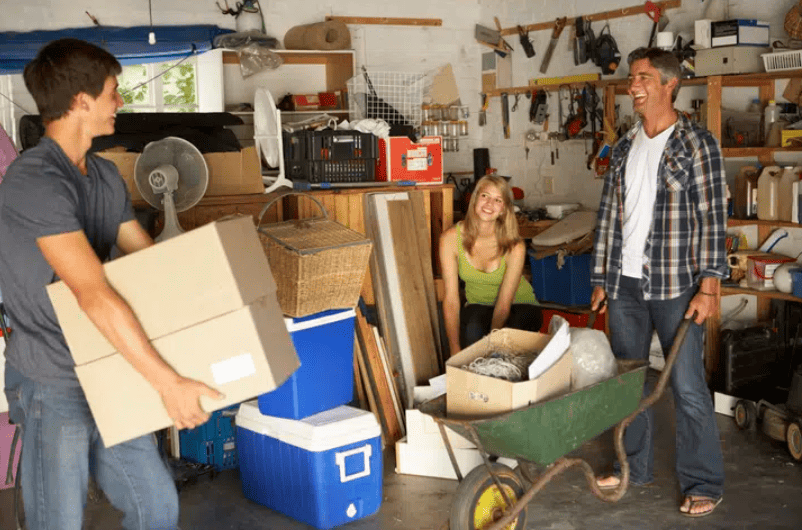
Garages in Texas often become storage spaces for tools, decorations, sports equipment, and outdoor gear. The heat limits what can be stored safely, so planning is important.
Wall storage keeps floors clear. Pegboards, hooks, and racks hold tools, bikes, and supplies. Ceiling racks create space for large bins. Seasonal decorations and camping gear fit well in these upper areas.
Some items cannot handle Texas heat. Electronics, batteries, candles, and photographs should stay inside the house. Grouping tools and gear by purpose helps you find what you need without digging through boxes.
Outdoor Spaces: Supporting an Active Lifestyle

Outdoor living is part of Texas culture. Backyards, patios, and porches need organization so they stay enjoyable and useful.
Weather-resistant storage containers protect cushions, toys, and pool supplies. A small shed can store gardening tools, fertilizers, and lawn care items. Pet owners benefit from a dedicated outdoor bin for toys and leashes. Outdoor cooking areas work better when tools, spices, and accessories all have a set home.
Smart Storage Solutions for Texas Homes
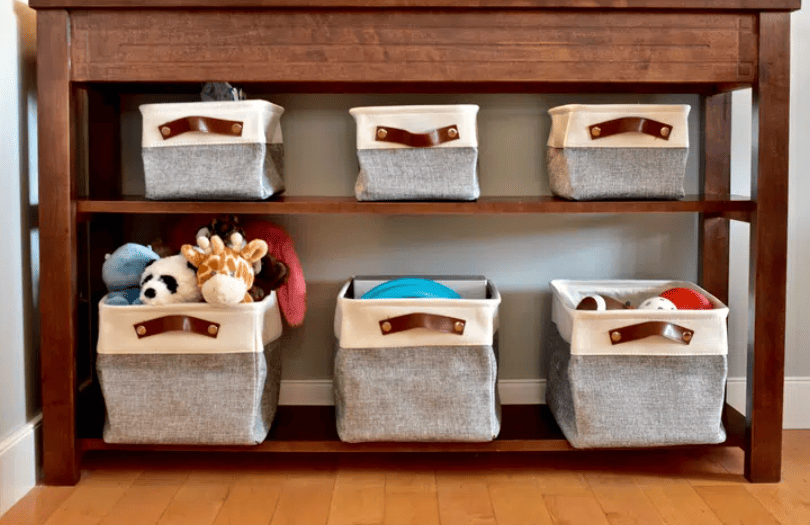
Texas weather shapes the way households store their belongings. Heat, humidity, and sudden temperature changes can damage certain materials, so choosing durable storage makes a noticeable difference. Plastic bins protect items better than cardboard because they resist moisture and pests. They also stack neatly and last longer in garages, sheds, and closets. Metal shelving works well in garages because it stays sturdy in heat and holds heavier items. Inside the home, furniture with hidden storage helps busy families by giving them extra room to tuck away toys, blankets, or electronics without crowding the room.
Door-back organizers create extra space in small or busy areas. They are useful for snacks in the pantry, cleaning supplies in the laundry room, shoes in the bedroom, or toiletries in the bathroom. Closet systems with adjustable shelves help your home keep up with changing needs. As kids grow or hobbies shift, shelves can move to fit new items. These systems prevent closets from turning into storage piles.
Helpful storage ideas include:
- Use clear bins so you can see what you own without opening them.
- Store heavy items on lower shelves to prevent accidents.
- Use labels on every bin or basket so the whole family knows where items belong.
- Choose stackable items to save floor space.
- Place the most-used items at eye level for easier access.
Keeping the Whole Household Involved
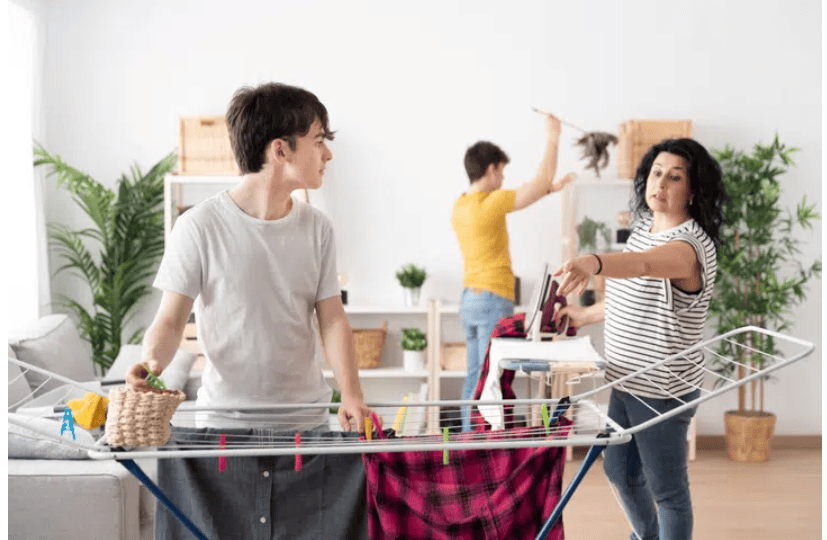
A home stays organized when everyone plays a part. Even small responsibilities help families maintain a cleaner space. Kids can return toys to labeled bins, bring dishes to the sink, or keep their shoes in a set place. Teens can help manage shared areas like the living room or pantry. Adults can handle storage systems, sensitive items, and tasks that require more care. When each person understands their role, the home runs smoothly.
Short daily routines reduce the need for large cleanup days. A quick nightly pickup helps prevent clutter from building up. A few minutes spent returning items to their spots creates a fresh start for the next morning. Weekly check-ins help families adjust systems that are not working. This keeps the home flexible as the household changes. When everyone follows the system, maintaining it becomes natural rather than stressful.
Ways to keep the whole household involved:
- Give each person a small daily task they can complete in minutes.
- Use color-coded baskets or bins for individual family members.
- Hold a short weekly tidy-up session to reset shared spaces.
- Encourage kids to choose their own labels or storage colors so they feel ownership.
- Celebrate small wins to keep motivation high.
Seasonal Adjustments for Texas Weather

Texas seasons shift quickly, and homes work better when storage adjusts throughout the year. Spring is a good time to store heavy blankets, review winter items, and prepare outdoor areas for warmer weather. Many families clean patios, wash cushion covers, and sort through seasonal clothing. Summer brings heat, pool time, and frequent outdoor activities. Storage for pool toys, outdoor games, and warm-weather clothing helps keep the home balanced.
Fall brings school routines and cooler temperatures. Jackets, backpacks, and school supplies need easy-access spaces near entryways. Holiday decorations also appear during this time, so having labeled bins helps prevent confusion. Winter brings its own needs. Families store outdoor water gear, bring out warm bedding, and prepare for holiday storage. Seasonal organization keeps the home flexible all year long.
Seasonal organization tips:
- Keep seasonal bins at the front of closets during the appropriate months.
- Label holiday decorations by room or theme for quick setup next year.
- Store summer gear in higher spots during winter and rotate it back in spring.
- Create a “season change” checklist to keep the process simple.
Small Homes: Maximizing Every Inch
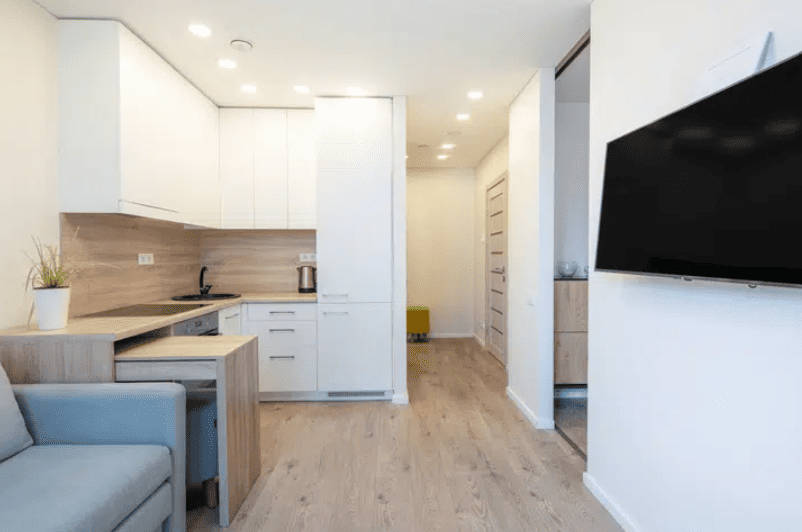
Small homes and apartments require thoughtful planning. Vertical space becomes valuable because it frees up the floor. Tall bookshelves, pegboards, and wall hooks help store everyday items without crowding a room. Pegboards are especially useful in kitchens and craft areas because items stay visible and accessible. Folding tables, collapsible chairs, and rolling carts offer flexibility so rooms can shift between meals, work, and relaxation.
Multi-purpose rooms help small homes stay open. A dining area can double as a homework space. A guest room can store seasonal items when not in use. Light-colored storage bins and furniture make rooms feel larger and more open. When everything has a place, even a small home can feel spacious.
Tips for small homes:
- Use under-bed storage to keep rarely used items hidden.
- Keep countertops clear by using wall-mounted racks or shelves.
- Choose furniture that serves more than one purpose.
- Use shallow bins in cabinets to prevent items from getting lost.
Large Homes: Preventing Hidden Messes
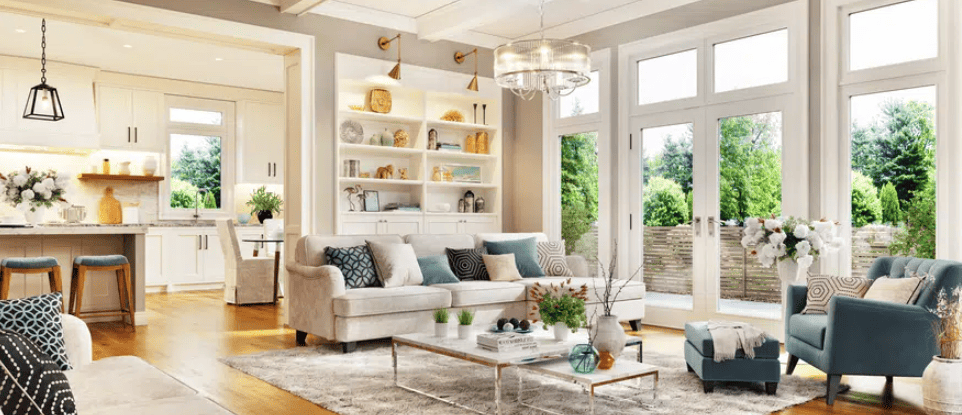
Large homes feel open, but this extra space can hide clutter. Bonus rooms, guest rooms, and hall closets often become storage zones without intention. Giving each room a clear purpose helps prevent this from happening. When a space has a job, it is easier to recognize when it starts collecting unwanted items.
Checking less-used rooms regularly helps keep clutter under control. Guest rooms should hold only what guests need. Game rooms can store entertainment items but should not become storage for unrelated things. Hallway closets can hold linens or cleaning supplies but should be checked every few months to prevent overflow.
Helpful strategies for large homes include:
- Assign specific categories to each closet or spare room.
- Avoid leaving empty shelving without a purpose, since it can attract clutter.
- Use storage furniture in large living spaces to maintain a clean look.
- Schedule monthly checks of rooms you do not use every day.
Teaching Good Habits Early
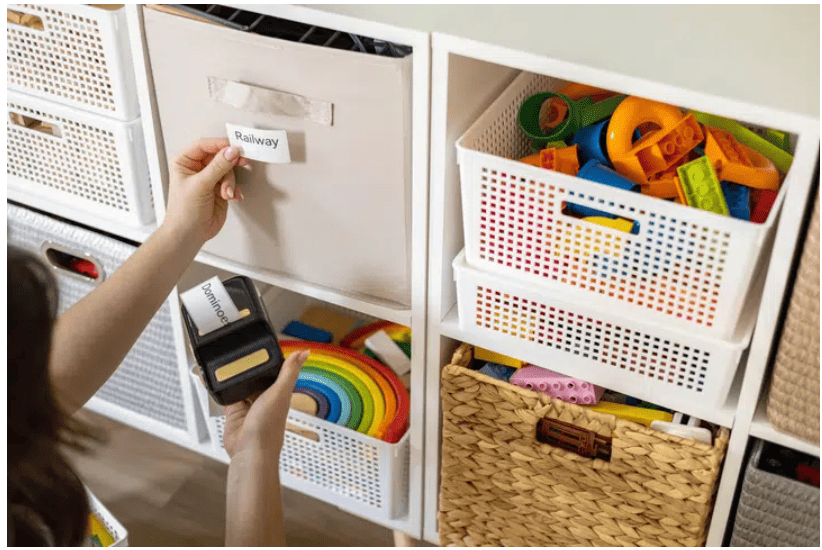
Kids learn organizational habits through consistent practice. Small tasks make them confident and independent. They can start by making their bed, placing dirty clothes in a basket, and using labeled bins. These simple responsibilities build strong habits that carry into adulthood. As children grow, tasks can expand to include sorting laundry or helping organize shared spaces.
Checklists help older kids stay organized during busy school periods. They can track homework, chores, and personal items. When kids see their progress, they stay motivated. Encouraging kids to help choose storage bins or label shelves gives them a sense of ownership.
Tips for building strong habits:
- Keep instructions simple and age-appropriate.
- Use picture labels for younger children.
- Offer small rewards such as extra playtime.
- Be consistent so habits become routine.
Long-Term Maintenance
Organization requires ongoing attention, but the work does not need to feel heavy. Monthly decluttering helps keep the home easy to manage. Removing unused items opens space and prevents storage systems from overflowing. Labels help everyone return items to the right place, which makes maintenance easier over time.
Flexible storage systems help your home grow with your family. Adjustable shelves, modular furniture, and stackable bins adapt as needs change. Short weekly routines maintain order. A few minutes of daily cleaning keeps clutter from spreading and reduces the need for major reorganizing later.
Simple maintenance tips include:
- Set a monthly declutter reminder on your calendar.
- Keep a donation box in an accessible place.
- Review one room each week rather than tackling the entire house.
- Refresh labels when they start to fade or no longer match your needs.
Texas homes stay comfortable when space is used with purpose. As households grow, clutter increases, but simple systems keep rooms clear and easy to use. With smart planning, flexible storage, and habits that everyone follows, your home can support every part of Texas living.

Comments (0)
No comments yet. Be the first to share your thoughts.
Leave a comment