


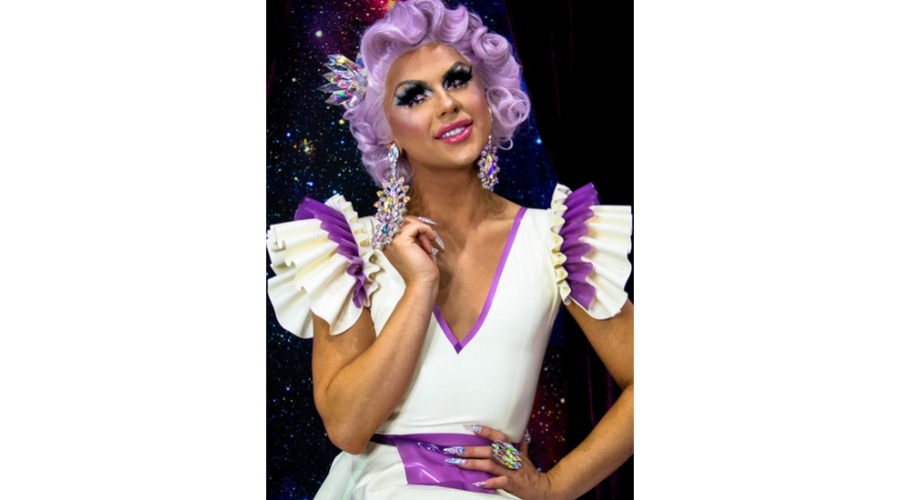
Image: DVSROSS, Rupaul Dragcon 2018-293 (41377495904) (cropped), CC BY 3.0
Farrah Moan, born in Houston, Texas and lived in Austin, has rapidly become a sensation in the drag scene. You might recognize her from Season 9 of RuPaul’s Drag Race and All Stars 4. She’s known for her glamorous style and enchanting performances, plus a strong social media presence promoting inclusivity.
Recently, she accused Ariana Grande of artistic appropriation, sparking discussions about compensation disparities and recognizing queer creators. There’s so much more to uncover about her impact and insight.
Farrah Moan’s Rise in the Drag Community

Though Farrah Moan initially dazzled audiences on Season 9 of RuPaul’s Drag Race, it was her unique flair and undeniable talent that catapulted her into the spotlight of the drag community.
As a distinguished drag queen, Farrah shone brightly upon returning for All Stars 4, further cementing her status among queer artists. Her glamorous aesthetic and captivating performances have drawn fans, making her a standout in Los Angeles’ lively drag scene.
Farrah’s social media presence plays a crucial role in her rise, allowing her to connect with a global audience, share her artistry, and champion inclusivity.
The Accusation Against Ariana Grande
Farrah Moan’s accusation against Ariana Grande sparked widespread discussion when she claimed that Grande’s outfit in the “7 Rings” music video was a direct copy of her look from RuPaul’s Drag Race All Stars 4.
Moan revealed she spoke to the designer behind Grande’s look, who allegedly admitted Grande’s team requested to recreate Moan’s original outfit. This revelation ignited a social media storm, highlighting issues of artistic appropriation and exploitation of queer artists.
Moan argued that larger artists often profit from marginalized creators’ work without proper recognition. Her viral tweet comparing the outfits underscored a broader call for accountability in the fashion and music industries.
Despite backlash, Moan emphasized the need to respect and acknowledge original creators’ contributions.
The Impact of the Allegations
When Farrah Moan’s allegations against Ariana Grande surfaced, they did more than just stir up social media; they shone a spotlight on the pervasive issue of artistic appropriation in the fashion industry. You see:
- Queer artists such as Farrah often find their creativity being overshadowed by larger celebrities, highlighting the need for accountability and recognition.
- The spotlight on these allegations emphasizes the importance of giving credit to original creators, ensuring their work isn’t just borrowed but appreciated and attributed.
- This controversy underscores the necessity for collaborations that foster an inclusive creative landscape, where representation and acknowledgment of marginalized voices are prioritized.
- In Austin, the underground art scene captures the essence of local identity, further emphasizing the importance of recognizing and preserving artistic expressions within a community.
Ultimately, Farrah Moan’s stance seeks to ensure that the work of original creators isn’t just visible but celebrated in mainstream culture.
Public Reaction and Social Media Buzz
As Farrah Moan’s accusations against Ariana Grande gained momentum, social media became a battleground for debates on artistic appropriation.
Moan claimed that Grande copied her outfit in the “7 Rings” music video, sparking a viral tweet that compared their styles. This fueled discussions about the exploitation of queer artists by more prominent figures, with many users demanding accountability from Grande.
Fans expressed disappointment, supporting Moan’s call for recognition of original creators. Moan’s tweet about wanting a share of Grande’s $10 million lawsuit against Forever 21 further intensified the conversation.
The public reaction highlighted the challenges marginalized artists face, emphasizing the need for larger artists to acknowledge their influences and protect the integrity of creative work.
Exploring the Intersection of Drag and Pop Culture
- Drag Queens on TV: Shows like RuPaul’s Drag Race bring visibility and representation for queer artists, celebrating their artistic inspiration.
- Fashion Controversies: Moan’s accusations against Grande in the “7 Rings” video highlight ongoing debates about originality in fashion.
- Celebrity Collaborations: Ariana’s guest spot on Drag Race bridges the gap between drag performance and mainstream music, weaving drag into pop culture’s fabric.
These interactions emphasize the crucial role of drag in shaping contemporary entertainment.
Challenges Faced by Queer Artists
Though the world of entertainment often highlights glitz and glamour, queer artists frequently face systemic challenges that threaten their creative expression.
Appropriation looms large, with Farrah Moan’s recent accusation against Ariana Grande exemplifying how mainstream artists can exploit marginalized creators. This ongoing issue highlights the lack of recognition and financial compensation queer artists often endure.
When their groundbreaking designs are co-opted without credit, systemic issues of representation surface, overshadowing their voices. Many, like Moan, feel torn between flattery and frustration, as their original contributions are exploited for profit.
The lack of accountability from prominent figures discourages emerging talent, leaving them vulnerable and unprotected. Such challenges demand awareness and advocacy to promote fair treatment and acknowledgment for all queer artists.
Farrah Moan’s Perspective on Artistic Inspiration
While the allure of artistic inspiration often captivates, Farrah Moan insists that genuine creativity thrives on crediting original sources. She argues that appropriation, especially by mainstream artists, stifles the voices of queer artists.
Farrah Moan advocates for inclusivity and collaboration over exploitation. She believes collaborations can transform fashion and music industries by respecting original creators and their contributions.
Consider these points:
- Support: Mainstream artists should uplift underground talent, acknowledging queer artists’ unique voices.
- Respect: Design teams must credit original creators, fostering an environment of inclusivity.
- Collaboration: Encourages dynamic partnerships between artists that celebrate creativity.
Farrah hopes her experiences prompt a shift where design teams value marginalized communities, ensuring their work gains rightful recognition and appreciation.
The Future of Recognition for Drag Artists
As the world becomes more aware of the need for inclusivity, the recognition of drag artists like Farrah Moan is ultimately gaining momentum.
Despite challenges, including appropriation and lack of compensation, queer artists are carving out space in mainstream media.
Farrah Moan’s path on Drag Race amplified visibility for drag culture, yet the struggle for recognition persists.
Moan’s experience with uncredited designs highlights the need for honoring artistic integrity and fair compensation.
Social media plays a vital role in showcasing talent, but it’s not enough.
Future collaborations between mainstream and underground artists must prioritize respect and recognition.
You can support this shift by valuing original creators and advocating for equitable practices in all artistic spaces.

Comments (0)
No comments yet. Be the first to share your thoughts.
Leave a comment