


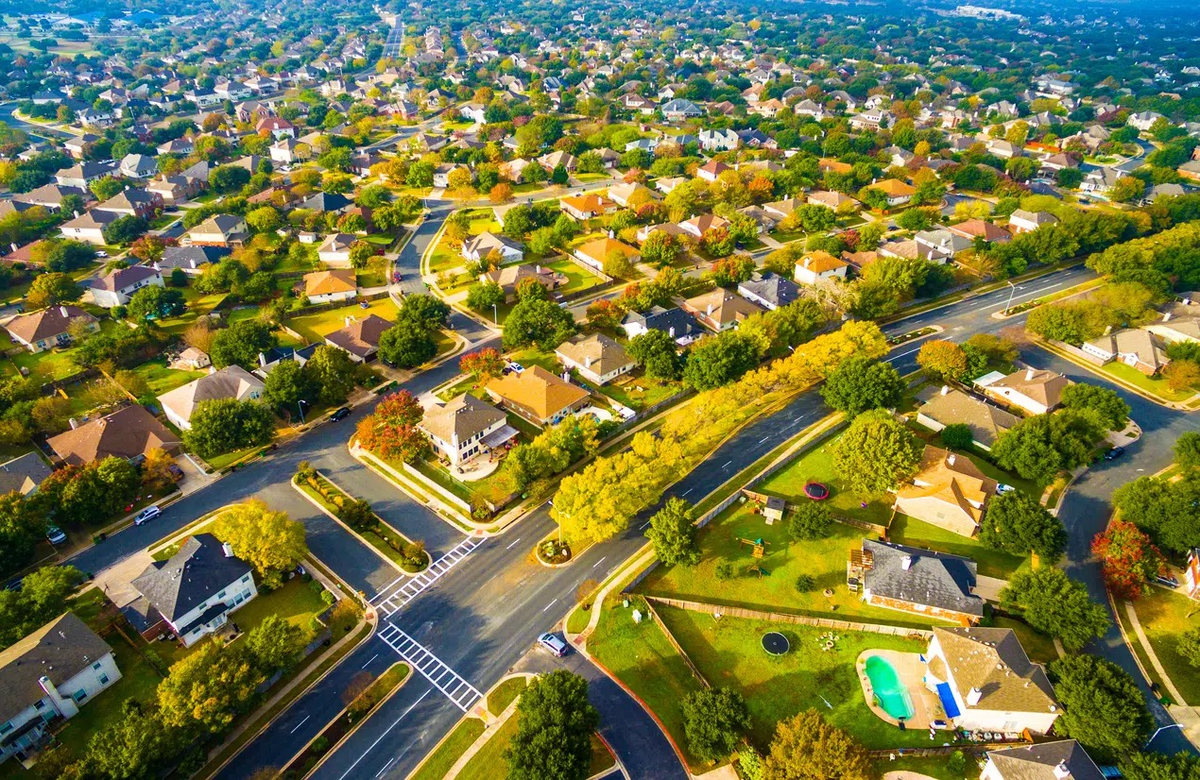
Austin has a lot going for it if you are raising a family. The city has a strong mix of outdoor spaces, community events, good access to schools, and neighborhoods with very different personalities. Some areas feel quiet and suburban. Others are more central and active, with parks, libraries, restaurants, and schools all close by.
That variety is a big advantage. It means there is no single “best” neighborhood for every family. What works well for one household may not fit another. A family with toddlers may want sidewalks, playgrounds, and a calm street layout. A family with teens may care more about commute times, nearby activities, and access to established schools. Some parents want a newer master-planned community. Others prefer a neighborhood with older trees, character, and a stronger sense of local history.
The good news is that Austin offers all of those options.
This guide looks at family-friendly neighborhoods in Austin in a way that stays useful over time. Instead of chasing trends, it focuses on the qualities that matter most for daily life: safety habits, walkability, green space, school access, convenience, and community feel. It also highlights several neighborhoods and areas that many families often consider when searching for a place to live.
What Makes a Neighborhood Family-Friendly?
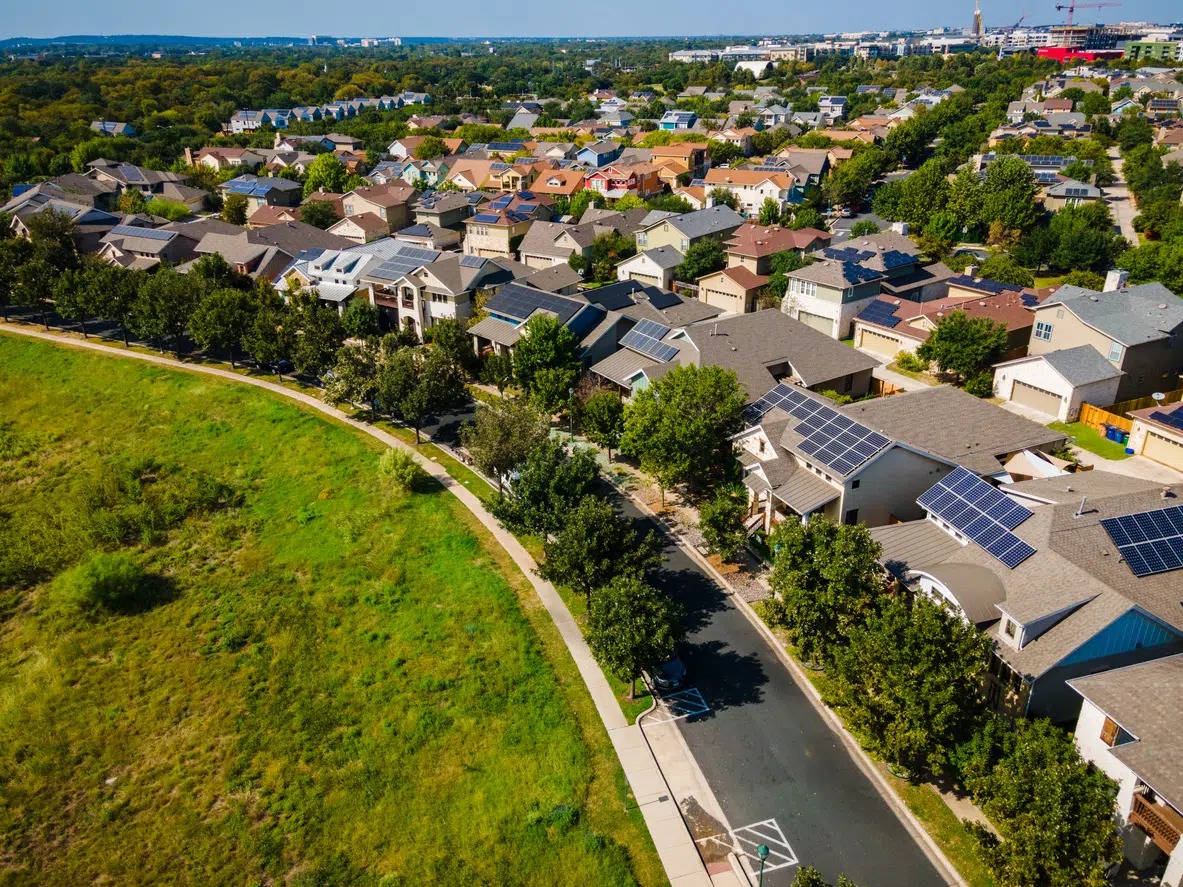
Before looking at specific parts of Austin, it helps to define what “family-friendly” really means. For most households, it includes a mix of the following:
Nearby parks and open space
Families usually benefit from easy access to playgrounds, trails, sports fields, and green areas where children can move around. Even a simple neighborhood park can make daily life easier.
A practical layout
Sidewalks, quieter streets, bike lanes, and nearby essentials matter. It is easier to manage family routines when grocery stores, schools, childcare, and basic services are not far away.
Community connection
A strong neighborhood often has block gatherings, local events, library programs, or active parent networks. These features help families feel supported and settled.
Schools and learning opportunities
School quality matters, but so does access to after-school programs, music lessons, libraries, museums, and youth sports. Families often do best in places where learning extends beyond the classroom.
Housing variety
A family-friendly area does not have to mean one type of home. Some families want a large yard. Others prefer a townhouse near a park. A good neighborhood gives people options.
Everyday convenience
Commute time can shape family life more than people expect. A beautiful home can feel less ideal if daily travel takes too much time. Access to work, school, errands, and activities often matters as much as the home itself.
Why Austin Appeals to Families
Austin has long been attractive to families because it blends city energy with outdoor living. Kids can grow up with nature trails, creeks, pools, and parks while still having access to cultural attractions, youth programs, and a strong local identity.
Families also tend to appreciate Austin’s casual style. Many neighborhoods have a welcoming feel. Weekend life often includes farmers markets, food trucks, live music, playground meetups, and time outside. That rhythm can be appealing for parents who want more than a strictly suburban routine.
At the same time, Austin is large enough that neighborhood choice matters a lot. North Austin does not feel like South Austin. Central areas differ from master-planned communities on the edges of the city. That is why it is smart to focus on fit, not hype.
Circle C Ranch
Circle C Ranch is often one of the first areas families consider, and for good reason. Located in Southwest Austin, it is known for its residential feel, community amenities, and strong appeal to households with children.
The neighborhood has a polished, established look. Streets are generally well-kept, and many homes are close to parks, pools, and greenbelts. Families often like the sense of structure here. It tends to feel organized and easy to navigate.
One of the biggest draws is access to recreation. Children have room to play, and parents often appreciate how many activities are built into everyday life. There are opportunities for sports, walking, biking, and neighborhood meetups. That can make it easier to build a routine and meet other families.
Circle C Ranch may be especially attractive for families who want:
- A suburban feel within Austin
- Community amenities nearby
- A neighborhood that is popular with school-age children
- More predictable day-to-day family routines
For some buyers, the tradeoff is that it can feel less quirky or less urban than older central neighborhoods. Still, many families see that as a benefit rather than a drawback.
Mueller
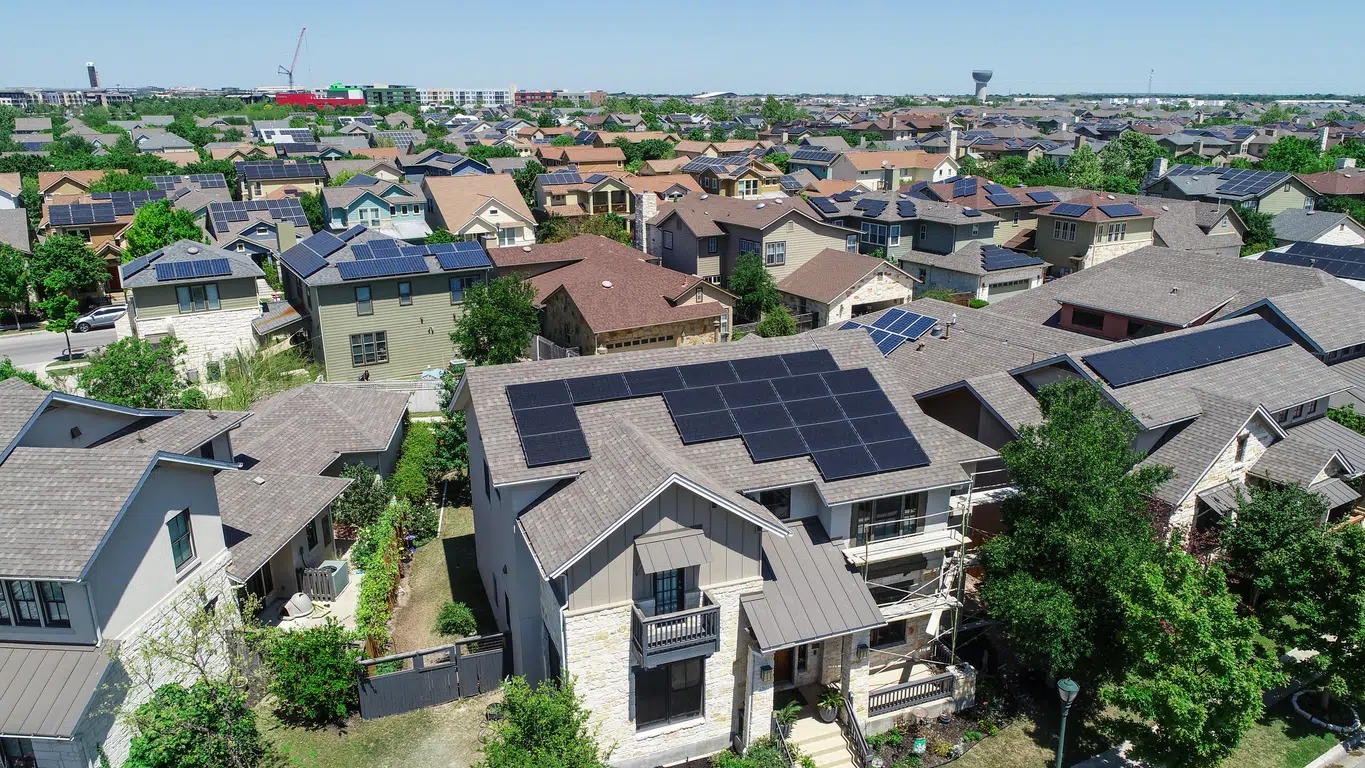
Mueller stands out because it offers a family-friendly setting with a more urban design. Built on the site of the former airport, this area has become one of Austin’s most talked-about planned communities.
What makes Mueller appealing is how much is within reach. There are parks, ponds, shops, restaurants, trails, and gathering spaces woven into the neighborhood. Families who like being able to walk or bike to daily destinations often find this area attractive.
It also tends to draw households that want community life without feeling far removed from the city. Parents can enjoy neighborhood events, and kids benefit from outdoor spaces and activity options close to home.
Mueller may be a strong fit for families who want:
- Walkability
- Easy access to central Austin
- A modern neighborhood plan
- A mix of homes, apartments, and townhomes
- Community events and public gathering areas
This area can be a good reminder that family-friendly does not always mean quiet and spread out. For some families, being able to walk to a playground, coffee shop, or market is a major advantage.
Allandale
Allandale is one of those neighborhoods that tends to stay appealing year after year. It is established, leafy, and centrally located, which gives it lasting value for families.
Many parents are drawn to Allandale because it feels settled. Mature trees, older homes, and a strong residential identity give the area a comfortable rhythm. It does not feel like a brand-new development, and that is part of its charm.
Another strength is convenience. Allandale gives families relatively easy access to other parts of Austin, which can help reduce the stress of commuting and getting to activities. Local parks, shops, and schools help support daily life without making the area feel overly busy.
Allandale may appeal to families who want:
- A central location
- Established charm
- Larger lots in some sections
- A quieter residential setting with city access
It can be a smart option for buyers who want a neighborhood that feels classic rather than trendy.
Cedar Park and Avery Ranch Area
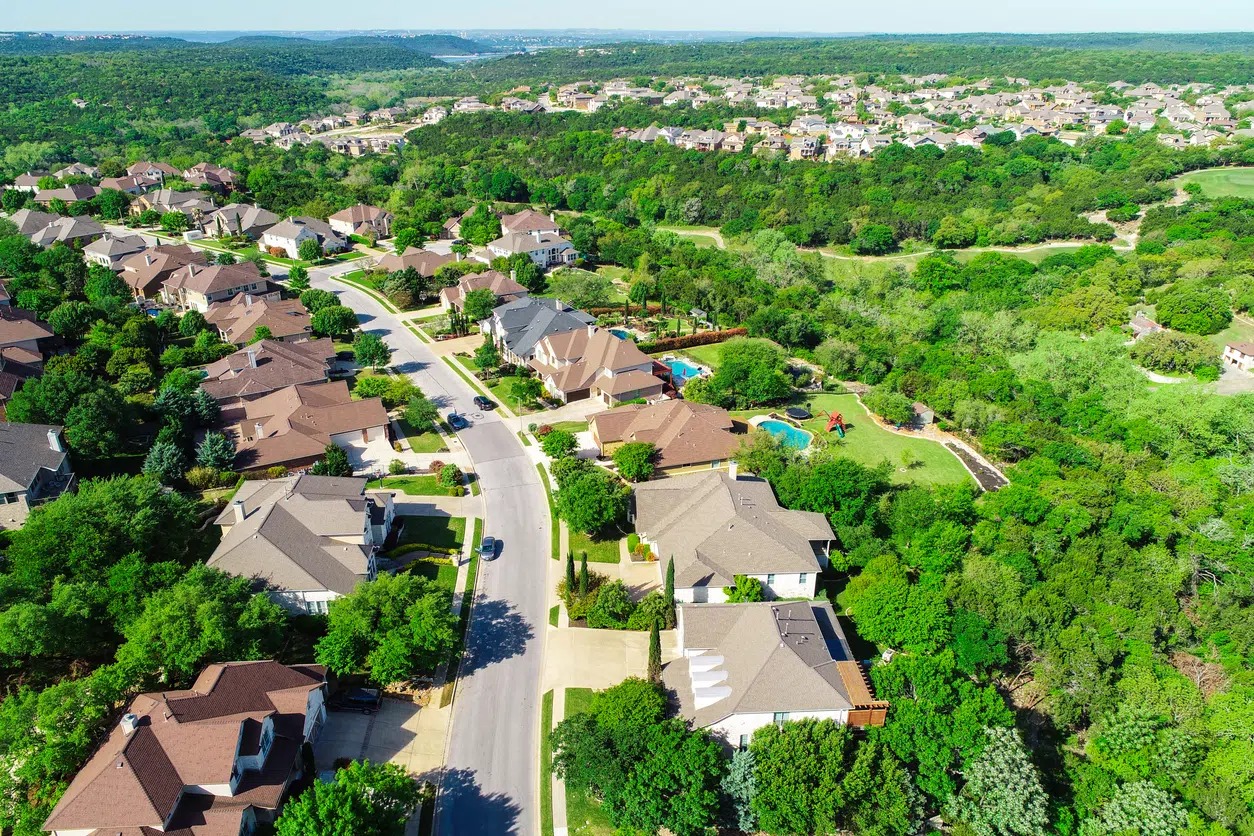
While Cedar Park is technically outside Austin proper, many families looking at the Austin area include it in their search. The same is true for nearby Avery Ranch, which sits in Northwest Austin and neighboring communities.
These areas are popular for households that want more space and a suburban layout. Homes may offer larger floor plans, newer construction, and family-oriented community features. Parks, schools, and youth activities are often a major part of the appeal.
For families who do not need to be close to downtown every day, these neighborhoods can offer a strong balance of comfort and practicality. There is often a clear emphasis on family life, and many newcomers find it easy to connect with other parents.
This part of the metro may work well for families who prioritize:
- More house for the money
- Newer developments
- Community pools and parks
- A strong suburban lifestyle
The main thing to watch is the commute distance. A home that feels perfect on paper may be less enjoyable if travel times become exhausting.
Travis Country
Travis Country, in Southwest Austin, is another area families often explore. It has a residential atmosphere, mature landscaping, and a layout that supports day-to-day family life.
One of its strengths is balance. It offers a calmer setting than some central neighborhoods but still provides reasonable access to many parts of the city. For families who want established homes and a practical location, that combination can be very appealing.
Travis Country is also known for green spaces and a community-oriented feel. Parents often look for neighborhoods where kids can grow up with nearby outdoor options, and this area checks that box.
It may be a good fit for families who want:
- Southwest Austin access
- An established neighborhood
- Outdoor space nearby
- A residential feel without being too far out
Barton Hills

Barton Hills offers something different from the suburban-style neighborhoods on this list. It is one of the best-known central Austin areas for people who value outdoor life, local character, and access to some of the city’s most loved natural spaces.
For families, the appeal often comes down to lifestyle. If being close to trails, parks, and iconic outdoor spots matters to you, Barton Hills can be very attractive. Children can grow up with a strong connection to outdoor activity, and parents may enjoy the mix of neighborhood calm and city access.
Barton Hills may suit families who want:
- A central location
- Outdoor living as part of daily life
- Established homes and local character
- Quick access to parks and recreation
It may not be the top choice for families who want a newer master-planned environment. Still, for households that value Austin’s natural side, it can be a great match.
Brushy Creek and Northwest Areas
Brushy Creek and nearby northwest communities are often part of the conversation for families seeking strong suburban appeal. These areas are known for trails, parks, and neighborhoods that support active family routines.
Parents often like the amount of outdoor infrastructure available. When trails, sports spaces, and neighborhood parks are easy to reach, children tend to have more ways to stay active without requiring a major outing every time.
These areas may appeal to families who want:
- Recreation close to home
- A quieter suburban environment
- Neighborhoods built around family routines
- Good access to larger residential communities
Again, the big question is location relative to work and school. Family-friendly features are important, but daily logistics still matter.
How to Choose the Right Austin Neighborhood for Your Family
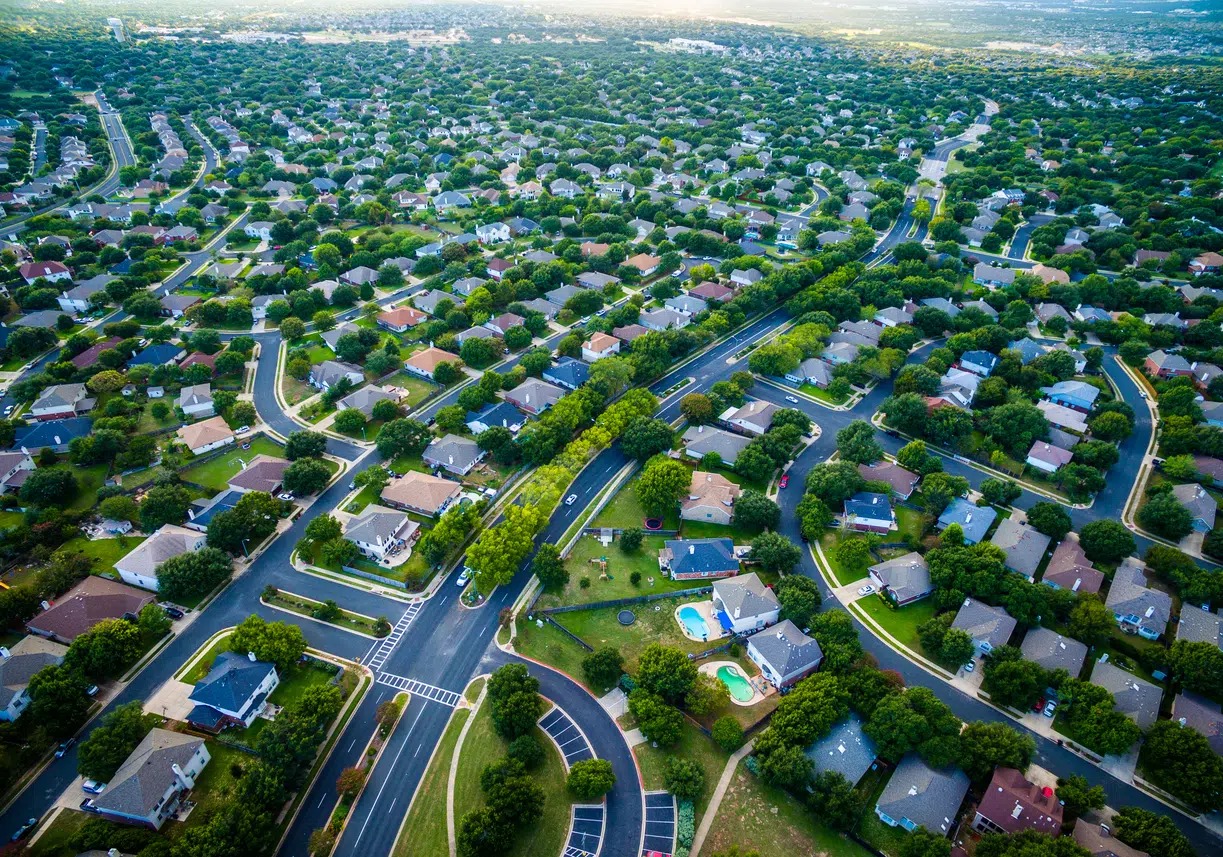
A neighborhood can look perfect online and still feel wrong in person. That is why it helps to compare areas based on your real routine, not just photos or rankings. Here are a few useful ways to narrow your choices:
- Think beyond the house: A beautiful home cannot fix a stressful location. Pay attention to the drive to work, school, daycare, grocery stores, and after-school activities.
- Visit at different times: Drive through a neighborhood on a weekday morning, late afternoon, and weekend. You will learn more from that than from a listing description.
- Test the family rhythm: Ask yourself simple questions. Can the kids get outside easily? Is there a park nearby? Would daily errands feel manageable? Would weekends feel fun or complicated?
- Look at age fit: Some neighborhoods are especially popular with families who have babies and young children. Others may work better for older kids and teens. Think about the next five years, not only the next six months.
- Check local amenities: Libraries, pools, youth sports, music programs, and recreation centers can make a big difference. These features help a neighborhood feel livable over the long term.
Common Tradeoffs Families Should Expect
No neighborhood has everything. Most families choose based on what matters most to them.
A central neighborhood may offer shorter drives and more local character, but smaller lots and older homes. A newer suburban area may provide more space and community amenities, but longer commute times. A highly walkable area may have less privacy, while a quieter neighborhood may require more driving.
That does not mean one choice is better than another. It simply means the right answer depends on your household’s priorities.
Final Thoughts
Austin gives families a wide range of neighborhood options, and that is one of its biggest strengths. Whether you want a master-planned community like Circle C Ranch, a walkable modern district like Mueller, an established favorite like Allandale, or an outdoor-focused area like Barton Hills, there is a good chance you can find a place that fits your family’s pace and values.
The smartest way to choose is to focus on how you actually live. Think about school mornings, grocery runs, playground time, weekends, and the daily routes that shape your life. A family-friendly neighborhood is not simply the one with the biggest homes or the most attention. It is the one that helps your household feel supported, comfortable, and connected.
In a city as varied as Austin, that kind of fit matters more than any trend.

Comments (0)
No comments yet. Be the first to share your thoughts.
Leave a comment