



Texas weather can be tough on a home. The heat lasts for months. Storms roll in fast. Winter can surprise us with sudden cold snaps. All of this puts pressure on every part of a house, from the roof to the foundation. When small issues add up, repairs get expensive. When simple tasks are forgotten, damage shows up when you least expect it.
This guide walks you through the essentials. It explains why certain problems happen, what you can do to prevent them, and when you need a professional. The goal is to make home care in Texas easier and stress free. With the right habits, you can protect your home through every season.
Understanding the Texas Climate and Its Impact on Your Home
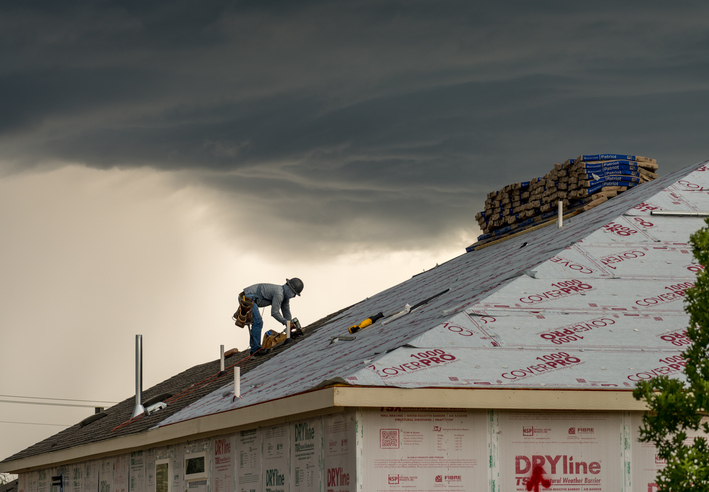
Before jumping into repairs and checklists, it helps to understand the weather patterns that shape home maintenance in Texas. The state is large, and each region faces its own challenges.
Central Texas deals with long months of heat, dry spells, and sudden thunderstorms. North Texas sees extremes that swing from blazing hot summers to icy winter mornings. East Texas has humidity that hangs in the air, encouraging mold and rot. West Texas has dust, wind, and sun exposure that can wear down wood and paint. The Gulf Coast faces hurricanes and heavy rainfall.
All these conditions affect homes in predictable ways. Heat breaks down roofing material. Humidity affects wood and siding. Wind lifts shingles. Dry soil shifts foundations. Heavy rain presses against gutters and drainage systems. Knowing what to expect helps you stay ahead of repairs.
Protecting Your Home From the Texas Heat

The Texas sun can put a lot of pressure on a home. Long stretches of heat push cooling systems to work harder and wear down materials faster. A few smart preventive steps can keep your home comfortable and limit costly repairs. Here’s how to get ahead of heat damage before it becomes a bigger problem.
Your HVAC System Works Harder Than You Think
A Texas summer pushes every cooling system to its limit. When the system runs for hours each day, parts wear out faster. Airflow gets blocked. Coils collect dirt. Filters clog. When maintenance slips, your air conditioner uses more energy and cools less effectively.
A yearly tune-up is one of the best investments you can make. During a tune-up, a technician checks refrigerant levels, cleans coils, tests electrical parts, and makes sure airflow is steady. These steps keep your home cool and your electric bill in check.
You can also help your system run better with simple habits. Replace air filters every one to three months. Keep furniture away from vents. Make sure your outdoor unit has open space around it. These small steps reduce stress on the system during the hottest months.
Insulation Makes a Big Difference
Insulation keeps cool air inside your home. Without it, your air conditioner works much harder. Many Texas homes lack proper insulation, especially older ones. The attic often needs attention because heat gathers in that space and spreads through the house.
Adding insulation to the attic creates a barrier between outdoor heat and indoor comfort. Fiberglass batts, blown-in insulation, and spray foam are all common choices. With better insulation, rooms feel more comfortable and temperatures stay even through the day.
Seal Up Leaks and Gaps
Hot air sneaks in through small cracks around doors, windows, and baseboards. When that happens, indoor air escapes and your cooling system works overtime. A simple way to fix this is by sealing drafts. Use caulk around window frames. Add weatherstripping to doors. Look for gaps around plumbing pipes. You will feel the difference right away and lower energy costs at the same time.
Sun Exposure Damages Roofing and Siding
The Texas sun is intense. Over time, roofs fade, crack, and curl. Siding starts to warp. Paint peels faster. Roofing material can lose its protective coating after years of UV exposure.
This makes regular inspections important. Walk around your home every few months and look for changes. If you see blistered paint, bent siding, loose shingles, or missing granules, take action soon. Small repairs keep bigger issues under control.
Some homeowners install reflective or “cool” roofing that bounces sunlight away from the home. These materials help reduce heat absorption and lighten the load on your air conditioner.
Handling Storm Damage and Heavy Rain
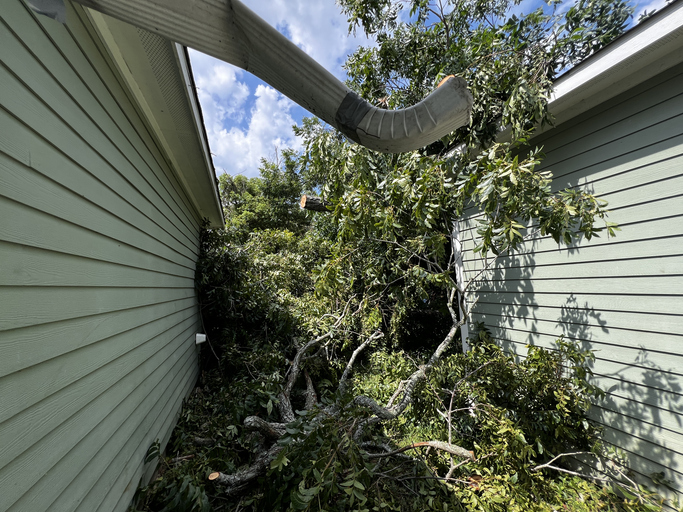
Storms develop quickly in Texas. One afternoon can bring wind, hail, lightning, and sudden downpours. After each storm, it is wise to inspect your home for damage.
Hail Damage on Roofs and Gutters
Hail is common in many regions of Texas. Even small hailstones can dent metal gutters or bruise roofing shingles. When the damage is not repaired, leaks can develop later. Look for dark spots, cracked shingles, or dents after a storm. If you see something concerning, schedule a full inspection.
Some Texans choose impact-resistant roofing. These shingles are designed to withstand hail and strong wind. The upfront cost is higher, but they help reduce long-term repairs.
Wind Damage Needs Quick Attention
Wind can lift shingles, blow debris into siding, or break off tree branches. Loose shingles allow water to seep under the roof. Missing flashing around chimneys or vents also leads to leaks.
After strong winds, check your roof from the ground. Look for shingles that appear raised or crooked. Check the attic for wet spots. Trim trees close to your home so branches don’t break onto the roof during storms.
Gutters and Drainage Systems Take a Beating
Texas storms can drop heavy amounts of rain in a short time. Your home needs a way to move water away quickly.
Clogged gutters cause rain to overflow, which can damage siding and erode soil around the foundation. Clean gutters in the fall and spring. Make sure downspouts are pointed away from the house. A splash block or drainage extension helps direct water where you want it to go.
If your yard slopes toward the house, rain can pool near the foundation. A landscaper can add grading, French drains, or swales to improve water flow.
Cold Weather Surprises and How to Prepare
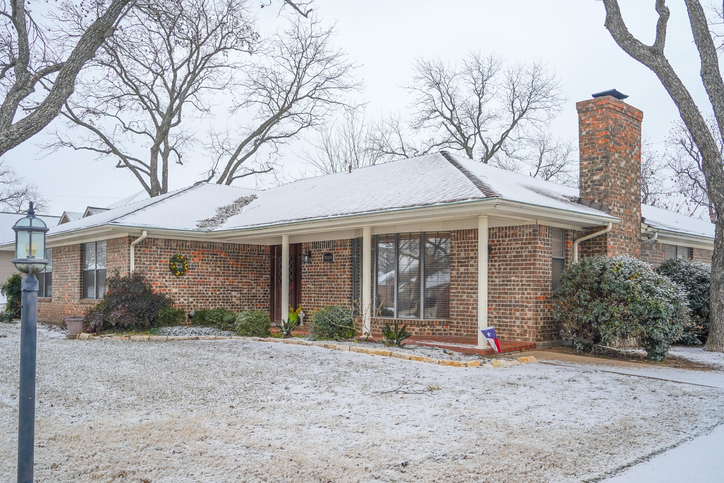
Texas winters are usually calm, but every few years a strong cold front arrives that catches homeowners off guard. Homes in many parts of the state are built with hot weather in mind, so they do not always have the insulation and protection needed for freezing temperatures. When the weather shifts quickly, pipes freeze, heaters struggle, and moisture problems appear. A little preparation before winter helps your home handle these rare but challenging conditions.
Protect Water Pipes Before Winter Arrives
Water pipes are one of the first things to freeze when temperatures drop. Uninsulated pipes in attics, garages, or exterior walls cool down fast. When the water inside expands, the pipe can burst and send water flowing into the home. This leads to repairs that are both stressful and expensive.
Pipe insulation is an easy and affordable way to protect your plumbing. Foam sleeves and wraps can be installed in minutes. Focus on exposed pipes under sinks, in the attic, in crawl spaces, and along exterior walls. Outdoor plumbing needs attention too. Disconnect hoses and drain them before storing. Install insulated covers on outdoor faucets to block cold air from entering the line.
If a hard freeze is expected, take extra steps. Let indoor faucets drip slowly to relieve pressure. Open cabinet doors under sinks to allow warm air to circulate. These small actions help prevent freeze damage when temperatures fall overnight.
Heating System Maintenance Matters Too
Your heating system works far less often than your air conditioner, but it still needs care. A yearly tune-up ensures it runs safely and efficiently when you need it. During a service visit, a technician checks the burner, inspects the heat exchanger, tests safety controls, and looks for signs of wear. This helps the system heat your home evenly and reduces the risk of breakdowns during a cold spell.
Replacing your heater’s air filter is another simple step that keeps airflow steady. A clean filter improves heating efficiency and helps maintain good indoor air quality.
Keep Your Attic Ventilated
Attic ventilation is important in every season. In winter, good ventilation reduces moisture buildup that can lead to mold, mildew, and wood rot. In summer, it helps control heat pressure inside the attic, which supports your HVAC system and protects roofing materials.
If your attic feels humid or stale, improved airflow may help. Adding ridge vents, soffit vents, or attic fans increases circulation and creates a healthier environment for the entire home. Proper ventilation also works hand in hand with insulation to keep indoor temperatures more stable.
Humidity and Mold Concerns in East and Coastal Texas
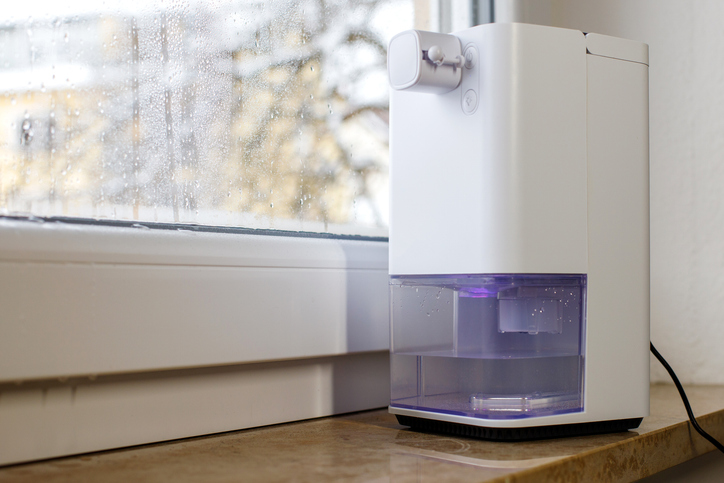
Humidity is a year-round challenge in East Texas and along the Gulf Coast. Warm, moist air settles into every corner of a home. It seeps into walls, collects in vents, and lingers in bathrooms and closets. When moisture sticks around, mold begins to grow. Mold can damage surfaces and create unpleasant odors. It can also strain your HVAC system, which works harder to remove moisture while trying to cool the home. Staying ahead of humidity protects both your comfort and your home’s structure.
Use Dehumidifiers and Improve Ventilation
If your home feels sticky or damp even when the air conditioner is running, the humidity level is likely too high. A dehumidifier helps by pulling moisture out of the air and keeping indoor conditions comfortable. Portable units work well for individual rooms, while whole-home systems connect to your HVAC system for larger spaces.
Bathrooms and laundry rooms are common trouble spots because showers, baths, and appliances add moisture to the air. Exhaust fans are important in these areas. Run the fan during and after showers to remove steam. Keep doors slightly open so humid air can escape and fresh air can move in. These small habits prevent mold from settling on walls, tile grout, and cabinets.
Watch for Condensation Issues
Condensation is often one of the first signs of high indoor humidity. You might see moisture forming on windows in the morning, around air vents, or along cold water pipes. This is a clue that your home needs better airflow or moisture control.
When you notice condensation, check for leaks around windows or plumbing. Clean or replace your HVAC filters to improve airflow. It is also a good idea to inspect the HVAC condensation drain line. If the drain line clogs, water backs up and creates a damp environment inside the system. Keeping it clear prevents mold growth inside the unit.
Crawl Spaces Need Extra Care
Homes with crawl spaces face added risk because moisture often settles in these low, enclosed areas. When humidity builds up under the house, it can spread upward into flooring and walls. Regular inspections help you catch problems early. Walk around the outside of your home and look for signs of standing water near the foundation.
Inside the crawl space, a vapor barrier can make a big difference. This barrier covers the ground and blocks moisture from rising into the home. Make sure vents in the area stay open unless a professional suggests otherwise. If you notice a musty smell coming from floors or closets, it might be time for a crawl space inspection. A specialist can check for mold, leaks, or insulation problems and help you plan the right fixes.
Foundation Care in Expanding and Contracting Soil
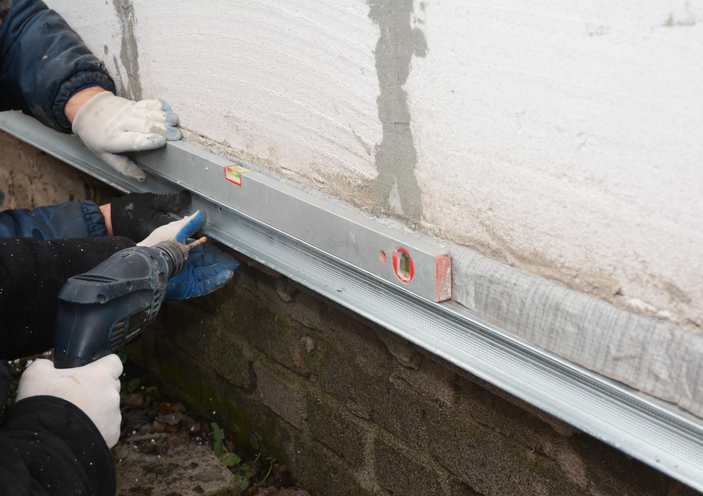
Texas soil is known for its constant movement. When the soil gets wet, it swells. When it dries out, it shrinks. This cycle puts pressure on your home’s foundation through the entire year. Over time, that pressure can cause cracks, uneven floors, and other structural concerns. Staying ahead of these changes helps protect your home and prevents small issues from becoming much larger repairs.
Maintain Steady Moisture Around the Foundation
Dry soil pulls away from the foundation and leaves empty space around the edges of your home. When the soil finally gets moisture again, it expands quickly and pushes against the slab. This sudden movement leads to stress and cracking. Watering the foundation during long stretches of heat helps slow down the shrinking process.
You do not need heavy watering. A slow, steady soak is more effective. Drip hoses or a foundation watering system work well because they release water gradually. Follow local water guidelines and avoid soaking the ground. The goal is to keep the soil from becoming extremely dry, not to saturate it. Consistent moisture creates a more stable base for your home.
Improve Drainage to Prevent Erosion
Too much water can be just as harmful as too little. When rainwater collects near the foundation, it erodes the soil and weakens support. Over time, this leads to sinking areas, shifting slabs, and cracks.
Good drainage protects your home by moving water away from the foundation. Make sure the ground slopes gently outward so rain flows into the yard instead of sitting next to the house. Keep gutters clean throughout the year so water can travel through them without spilling over the edges. Downspouts should release water several feet away from the foundation. If certain areas in your yard hold water after storms, a drainage system such as a French drain or a gravel-filled trench can help redirect water to a safer location.
Watch for Early Signs of Foundation Problems
Foundation problems usually start small. If you catch them early, repairs are much easier and less costly. Keep an eye out for:
- Cracks in walls or ceilings
- Doors that stick or do not latch
- Gaps around window frames
- Sloping or uneven floors
These symptoms often appear before major damage occurs. Walk through your home a few times a year and look for changes. If something feels off or you notice several signs at once, it is a good time to call a foundation specialist. A professional can evaluate the issue and suggest the right fix before it gets worse.
Regular Care Helps Protect Your Home
Foundation maintenance may not be exciting, but it is one of the most important parts of owning a home in Texas. Soil movement will always be part of our climate. With steady care, good drainage, and early attention to warning signs, you can keep your foundation strong and stable through every season.
Plumbing and Water System Care
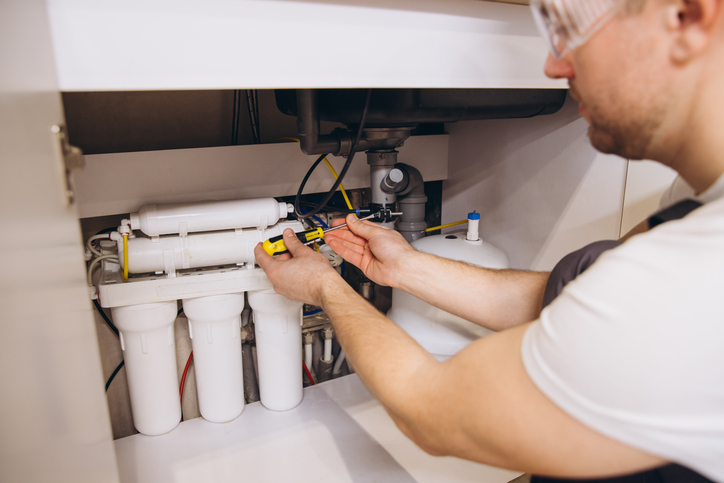
Texas weather puts steady pressure on your plumbing. The combination of long summer heat, sudden cold snaps, and mineral-heavy water affects pipes, fixtures, and appliances throughout the year. Regular checks help prevent unexpected breakdowns and keep your water system running smoothly.
Hard Water Is a Common Issue
Hard water is a frequent concern in many Texas cities and rural areas. It contains minerals like calcium and magnesium that collect inside pipes, faucets, showerheads, and water heaters. Over time, this buildup narrows the flow of water and forces appliances to work harder.
You may notice cloudy spots on dishes, stiff laundry, or reduced water pressure. A water softener helps prevent minerals from building up in the first place. It also improves the life of appliances and makes routine cleaning easier.
If you have a traditional water heater, it can benefit from regular descaling. Flushing the tank removes sediment that gathers at the bottom. This helps the heater run more efficiently and extends its lifespan. Some tankless models also need periodic descaling, depending on your local water quality.
Inspect Irrigation Systems
A healthy yard depends on reliable irrigation, but sprinkler systems often develop leaks without you noticing. Overwatering not only wastes water, it also contributes to soil erosion around your home. Taking a few minutes to inspect the system each season can prevent larger problems down the road.
Look for signs such as:
- Broken or misaligned sprinkler heads
- Puddles forming around the sprinkler lines
- Low water pressure in certain zones
Repairing damaged heads or fixing leaks helps maintain steady moisture levels around your lawn and foundation. It also keeps water from flowing into unwanted areas like walkways or driveways.
Smart Leak Detectors Add Protection
Even a small leak can waste a surprising amount of water. Hidden leaks under sinks, behind appliances, or near the water heater often go unnoticed until they cause real damage. Smart leak detectors offer an extra layer of protection by alerting you when they sense moisture.
These small devices can be placed in key areas such as:
- Under bathroom and kitchen sinks
- Near the water heater
- Behind the washing machine
- Around the refrigerator if it has a water line
Some detectors can connect to your phone, giving you instant alerts even when you are away from home. This helps you act quickly before leaks cause mold, warped flooring, or extensive repairs.
Keep an Eye on Water Pressure
Water pressure that is too high can strain pipes and fixtures. If you hear banging pipes or notice leaks forming around fittings, it may be time to check the pressure regulator. A plumber can adjust or replace the regulator to keep the system running safely.
Outdoor Maintenance for Texas Conditions

Your yard and outdoor structures face the same intense conditions as the rest of your home. Long stretches of heat, sudden storms, and seasonal changes all leave their mark. A little routine care keeps outdoor spaces looking good and prevents wear from getting out of hand.
Choose Plants That Handle Heat and Drought
Gardening in Texas can be challenging, so choosing the right plants makes a big difference. Native plants are a great option because they already know how to handle the heat, dry spells, and soil conditions. They need less water and bounce back faster after a long hot week. Adding mulch around flower beds helps lock in moisture and protects roots from temperature swings. Drip irrigation is another smart choice. It delivers a slow and steady flow of water right to the soil. This reduces waste and keeps plants healthy without raising your water bill.
Fences and Decks Need Protection
Wood fences and decks take a beating from the sun. Prolonged heat dries out boards, causing them to fade, warp, or split. Applying a stain or sealant every couple of years helps protect the surface and extend the life of the wood. After storms or windy days, walk your fence line and check for loose posts or panels. Strong gusts can shake posts out of alignment, which leads to sagging sections later. For decks, inspect railings and steps for loose screws or soft spots. These simple checks help keep outdoor structures safe and sturdy.
Driveways and Walkways Expand and Contract
Concrete reacts to temperature changes. It expands during hot summers and contracts during cooler months. Over time, this movement creates cracks in driveways and walkways. Small cracks are easy to repair if you address them early. A quick patch or sealant prevents water from seeping in and making the damage worse. Pressure washing helps keep surfaces clean, removes dirt and mildew, and prevents slippery spots from forming. These steps help keep your outdoor paths neat and safe while also protecting their long-term durability.
Don’t Forget Outdoor Fixtures and Features
Other outdoor elements also need attention. Check patio furniture for rust or loose screws. Inspect playsets for worn edges or damaged wood. Clean outdoor light fixtures so pathways stay well lit at night. Keep gutters clear near patios and porches because overflowing water can stain concrete or damage nearby plants. A little care throughout the year helps your entire yard stay in good shape.
Keeping Pests Away From Your Home
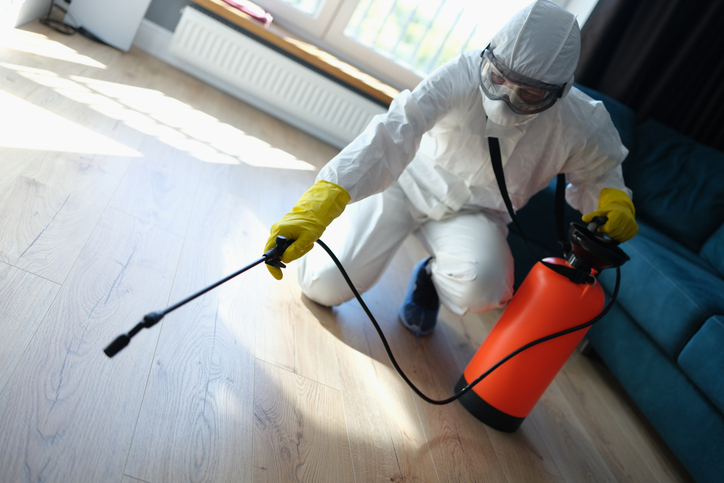
Warm weather brings out many kinds of pests in Texas. Some only cause small problems. Others can create costly damage if they go unnoticed. A little prevention can save you a lot of frustration later.
Termites Thrive in Texas
Termites stay active through most of the year, which makes regular checks important. They feed on wood, paper, and anything with cellulose. Over time, they weaken beams, trim, and flooring. Look for mud tubes along the foundation, soft or sagging wood, small piles of wings, or walls that sound hollow when tapped. If you notice these signs, call a professional right away. Even if you do not see symptoms, a yearly inspection offers peace of mind and helps protect your home’s structure.
Fire Ants and Rodents Need Attention Too
Fire ants build mounds across yards and move quickly from one area to another. Their stings are painful, and their nests can spread near walkways or foundations. Treating mounds early helps keep them under control. Rodents are another common issue. Mice and rats look for shelter during extreme heat or cold. They squeeze through small openings around the roofline, attic, and foundation. Check for gaps, cracks, or loose siding and seal them with caulk or steel mesh. This simple step reduces the chance of unwanted visitors settling inside the home.
Mosquito Control Helps With Comfort and Health
Mosquitoes thrive anywhere water collects, even in small amounts. Walk around your yard after rain and empty anything that holds water. Buckets, plant saucers, clogged gutters, and toys often collect rain without you noticing. For ponds or rain barrels, mosquito dunks help control larvae without harming pets or wildlife. Keeping grass trimmed and shrubs neat also reduces mosquito hiding spots. These easy habits make outdoor spaces more pleasant during warm months.
Other Pests to Keep in Mind
Texas also sees spiders, scorpions, roaches, and a range of small insects that slip into homes through tiny openings. Regular cleaning, good ventilation, and routine yard care help limit these pests. Sweeping away webs, sealing cracks, and storing food properly go a long way toward prevention. If pests keep returning, a local pest control service can help identify the source and create a long-term plan.
Home Safety Checks for All Texas Seasons
Texas weather can shift fast, so it helps to keep your home’s safety features ready at all times. Seasonal changes are a natural reminder to check alarms, outdoor equipment, and emergency supplies. These small habits make a big difference when unexpected weather rolls in.
Inspect Smoke and Carbon Monoxide Detectors
Smoke and carbon monoxide detectors are some of the most important safety tools in a home. Replace their batteries twice a year to keep them reliable. A quick monthly test ensures each alarm works the way it should. Every bedroom, hallway, and central area needs a functioning smoke detector. If your home has gas appliances, fireplaces, or an attached garage, a carbon monoxide detector is essential. These checks take only a few minutes but help protect your family all year.
Fireproof Outdoor Areas
Outdoor cooking and patio setups add comfort to a home, but they also create fire risks when they are too close to siding or dry materials. Keep grills a safe distance from walls, railings, or wooden decks. Clean grease trays so buildup does not catch fire. Remove dry leaves, branches, or clutter from around the patio. If you use outdoor heaters or fire pits, place them on steady ground and keep a bucket of sand or a hose nearby. These steps help create a safe and clean outdoor space through every season.
Prepare an Emergency Kit
Storms, power outages, and sudden temperature drops are part of life in Texas. An emergency kit helps you stay comfortable and ready when the power goes out or roads are unsafe. A basic kit should include:
- Flashlights
- Bottled water
- Phone chargers
- Non-perishable food
- A first-aid kit
You can also add important documents, extra medication, blankets, pet supplies, and a small tool kit. Keep everything in an easy-to-reach location that every family member knows about. A well-prepared kit brings peace of mind and helps you get through unexpected situations with less stress.
Energy Efficiency Upgrades Worth Considering
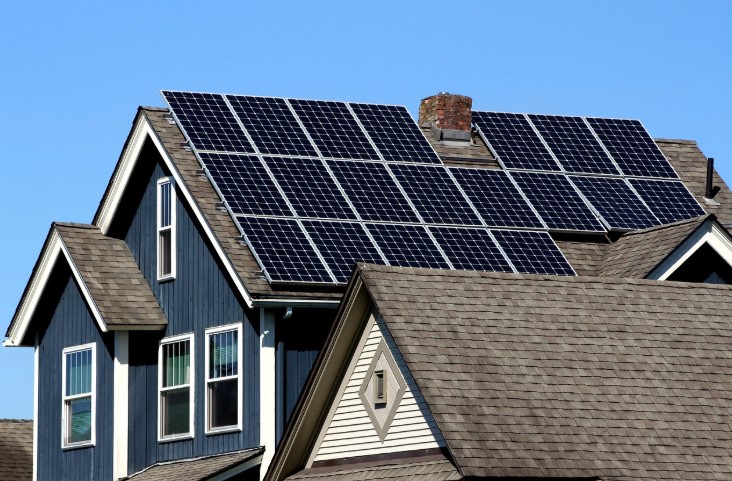
Energy-efficient upgrades help keep your home comfortable during long Texas summers and reduce the strain on your cooling system. They also help lower your monthly utility bills. Many of these improvements are simple and can be added over time, making them a smart long-term investment for any Texas homeowner.
Add Solar Screens or Window Film
Windows play a big role in how much heat enters your home. Solar screens are one of the most effective ways to reduce indoor heat gain. They block sunlight before it reaches the glass, which helps cool down rooms that get full sun throughout the day. This is especially helpful for east- and west-facing windows that receive the strongest sunlight.
Tinted window film is another option. It reduces glare and helps keep heat from entering your home without changing the look of your windows. Film works well for large windows, glass doors, and rooms where blinds or curtains are not enough. Both options help lighten the load on your air conditioner and make indoor temperatures easier to manage.
Upgrade Doors and Windows When Needed
Older windows often allow hot air to seep in and cool air to escape. As a result, your HVAC system works harder to maintain a steady temperature. Upgrading to energy-efficient windows makes a noticeable difference. They use improved materials and better seals that help reduce drafts.
The front door also plays a major part in temperature control. A well-sealed, well-insulated door keeps heat outside and comfort inside. Weatherstripping around the door frame helps block gaps that develop over time. These upgrades keep your home cooler in summer, warmer in winter, and more efficient all year.
Consider Attic Improvements
The attic is one of the hottest places in a Texas home. Heat collects there and spreads downward, raising indoor temperatures. Improving the attic helps maintain comfort and reduces the workload on your HVAC system.
A radiant barrier is a reflective material installed under the roof decking. It reflects heat away and prevents it from entering the attic. Better attic ventilation is also helpful. Ridge vents, soffit vents, and attic fans allow hot air to escape and fresh air to circulate. Together, these upgrades lower attic temperatures and help keep the entire home cooler.
Small Steps That Make a Big Difference
Other small improvements also add up. Changing air filters regularly improves airflow. Using ceiling fans helps circulate cool air more efficiently. Closing blinds during peak sun hours reduces indoor heat gain. These simple habits support the larger upgrades and help you maintain a comfortable, energy-efficient home.
Seasonal Maintenance Checklist

A clear schedule keeps repairs manageable.
Spring Tasks
- Clean gutters
- Check the roof for damage
- Service the air conditioner
- Trim trees before storms start
- Inspect foundation drainage
Summer Tasks
- Water the foundation
- Check insulation
- Inspect outdoor faucets
- Seal gaps around windows and doors
- Maintain landscaping
Fall Tasks
- Clean gutters again
- Service the heater
- Test smoke detectors
- Inspect the roof before winter
- Clean dryer vents
Winter Tasks
- Protect outdoor faucets
- Insulate exposed pipes
- Check attic ventilation
- Watch for condensation issues
- Test carbon monoxide detectors
DIY or Call a Professional?
Many home maintenance tasks are simple. You can replace air filters, clean gutters, inspect caulking, and check smoke detectors on your own. Some repairs, however, need expert skills. Electrical work, major roof repairs, large plumbing jobs, and foundation issues always call for a trained professional.
If you feel unsure about a repair, trust your instincts. Trying to fix certain problems on your own can make the issue worse or create safety risks.
Building a Long-Term Maintenance Plan
Maintaining a home in Texas is not something you tackle once every few years. It is a steady routine that keeps your house comfortable, safe, and efficient. Creating a yearly plan helps make tasks easier to manage.
Break large projects into smaller steps. Set reminders on your phone. Keep a notebook where you track repairs, inspections, and upgrades. When you stay organized, it becomes easier to identify patterns or problems. You also gain peace of mind knowing your home is ready for whatever the weather brings.
Closing Thoughts
Home maintenance in Texas can feel overwhelming, but it becomes simple when you understand the challenges. Heat, storms, humidity, and soil movement can affect every part of your house. With regular checks and the right repairs, you can protect your home for years to come.
Small tasks go a long way. A clean gutter keeps rain away from the foundation. A new filter helps your air conditioner cool your home. A little sealant around windows lowers your electric bill. When you make maintenance a habit, you save time, money, and stress.
With this guide, you have the tools to stay ahead of seasonal wear. Your home will stay strong through summer heat, winter cold, and everything in between.

Comments (0)
No comments yet. Be the first to share your thoughts.
Leave a comment