


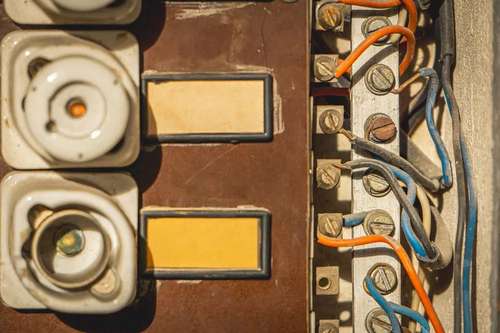
Older homes across Texas — whether they’re historic bungalows in Houston, quaint Colonial-era houses in East Texas, or Craftsman-style favorites in San Antonio — carry a lot of charm and character. But beneath those charming wood floors and classic trim can be electrical systems that were never designed to handle the power demands of modern life. From outdated wiring to undersized panels and a shortage of safety protections, aging electrical infrastructure can pose serious safety risks if it’s not properly upgraded.
This comprehensive look at electrical safety upgrades will help you understand the challenges older houses face, the signs that upgrades are needed, and the practical steps you can take to bring your electrical system up to modern standards — safely, smartly, and in a way that protects your home and family.
Why Electrical Safety Matters in Older Homes
Homes built decades ago were constructed for an era before air conditioners, home offices, entertainment centers, electric vehicle chargers, and a dozen WiFi-connected devices drawing current all at once. That means the wiring, breaker panels, outlets, and protective devices in many older houses weren’t designed for today’s electrical loads — and that can lead to overloaded circuits, overheating, shock risk, and even fire hazards.
Common hazards in older electrical systems include:
- Outdated wiring (like knob-and-tube or aluminum) that lacks proper insulation or grounding.
- Insufficient panel capacity, often limited to 60–100 amps, where modern homes typically need 200 amps to safely support today's usage.
- A lack of modern safety protections, such as ground-fault circuit interrupters (GFCIs) and arc-fault circuit interrupters (AFCIs).
- Outlets and switches showing wear or operating beyond their intended load.
When these risks go unchecked, your home may be vulnerable not just to failure but to serious safety issues. The good news? With thoughtful upgrades and regular inspections, you can bring an older house into the present — without sacrificing its historic appeal.
Start With a Professional Electrical Inspection
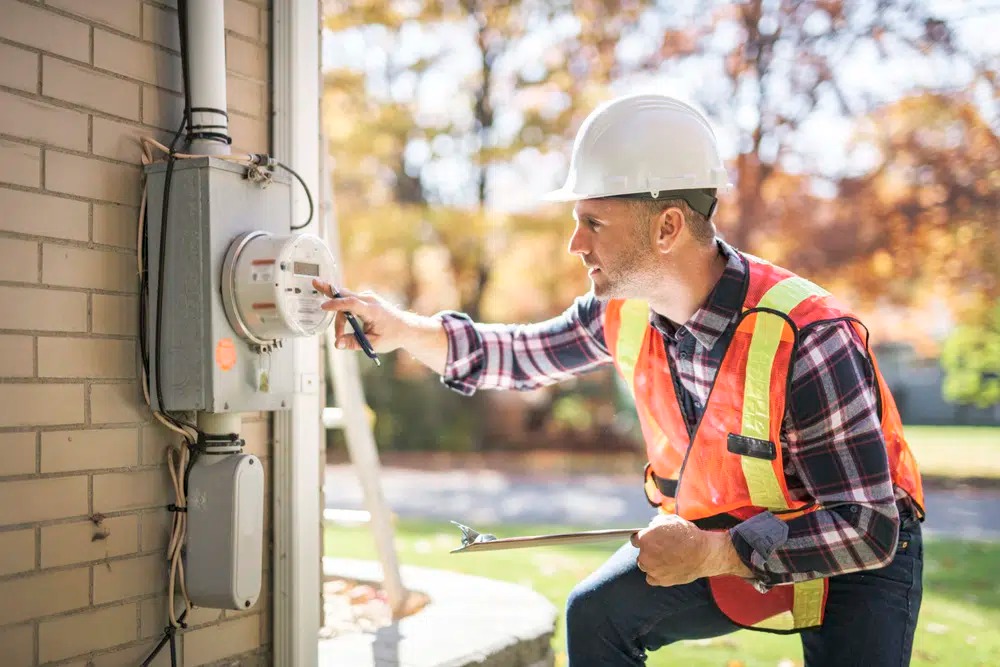
Before you decide which upgrades you need, the single best first step is a professional electrical inspection. A licensed electrician will evaluate the entire system — from how electricity enters your house to how it’s distributed through wiring, the panel, outlets, and safety devices.
A good inspection will:
- Identify outdated or hazardous wiring and insulation conditions.
- Review the electrical panel’s capacity, condition, and labeling.
- Test whether grounding and safety devices like GFCIs are properly installed and functioning.
- Highlight overloaded circuits, loose connections, and any hidden wear that could be dangerous.
This deep look not only points you toward the most impactful upgrades but also helps you plan and budget, and ensures any work complies with current codes.
Upgrade the Electrical Panel
The electrical panel — also called the breaker box or service panel — is the heart of your home’s electrical system. Older homes often have panels that were adequate for the appliances and needs of the last century, but today’s households demand much more power.
Signs your panel may need attention include:
- Frequent breaker trips with everyday household use.
- Lights that flicker or dim when other appliances turn on.
- A panel that still uses fuses instead of circuit breakers.
- No room for additional circuits or safety breakers.
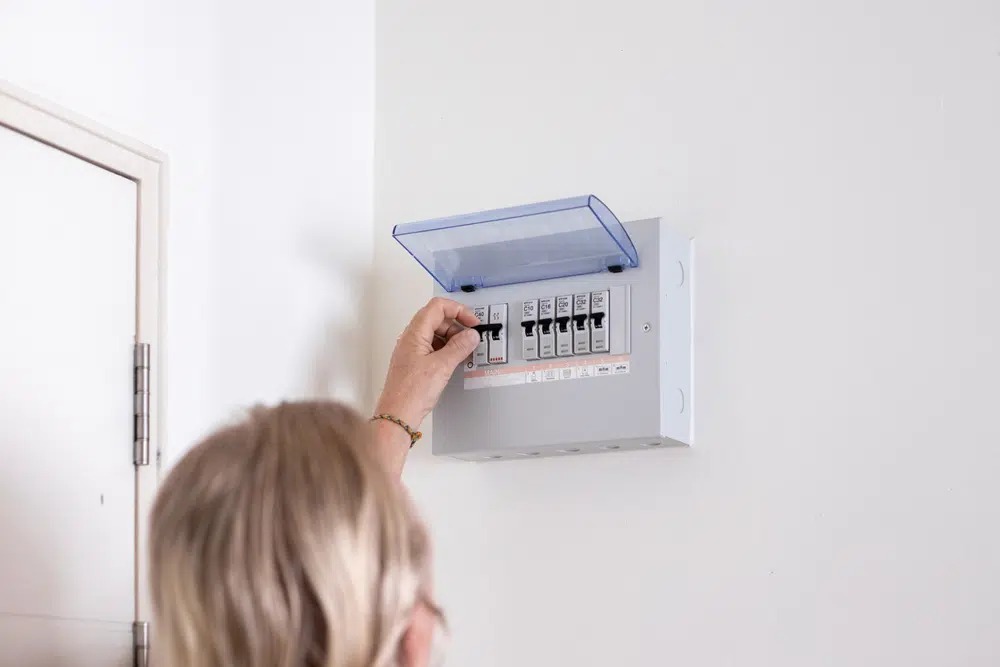
Upgrading to a modern 100-amp or 200-amp panel not only supports more devices and appliances but also offers improved safety and often makes it easier to add modern safety features like AFCIs and GFCIs.
Replace Outdated Wiring
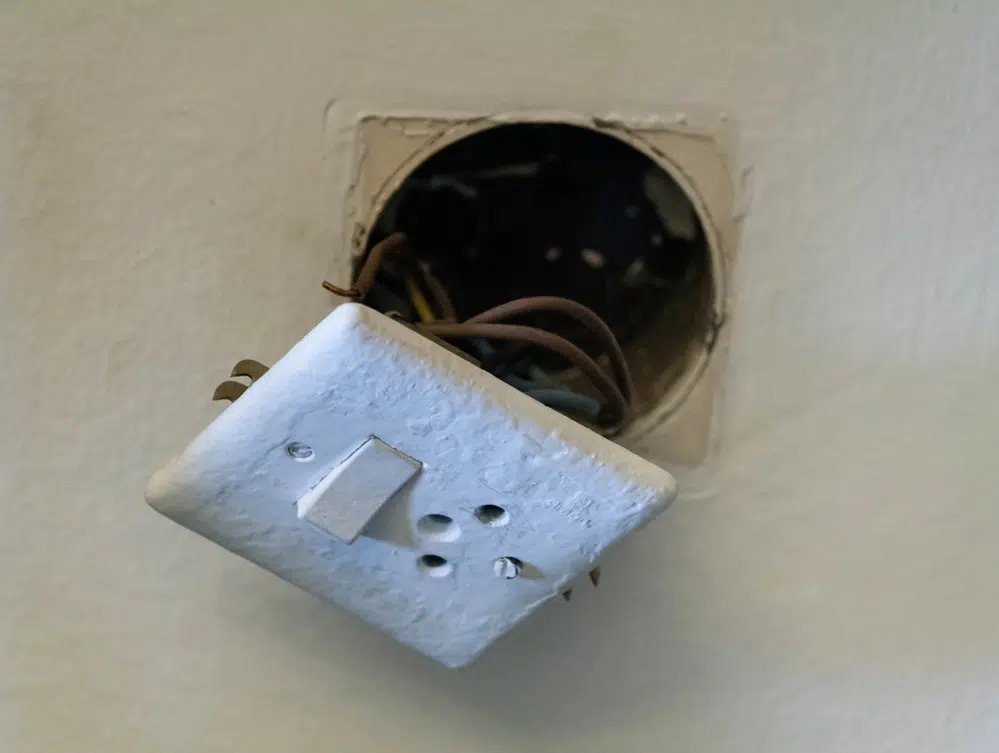
One of the most critical upgrades in older homes is rewiring, especially if you have known obsolete materials:
- Knob-and-tube wiring, common in very old homes, lacks grounding and is unsafe for today’s loads.
- Aluminum wiring, used in many 1960s and 1970s homes, can oxidize and overheat if not properly managed.
During a rewiring project, a licensed electrician can replace or retrofit old wiring with modern copper cabling that meets today’s safety standards. This substantially reduces fire risk, improves reliability, and allows for safer device use throughout your home.
Add Modern Safety Devices
Upgrading wiring and panels is essential, but modern protective devices are just as important for overall safety.
Ground-Fault Circuit Interrupters (GFCIs)
GFCIs monitor electrical current and instantly shut off power if they detect imbalances that could indicate a shock hazard — especially useful near sinks, garages, and outdoor areas.
Arc-Fault Circuit Interrupters (AFCIs)
AFCIs detect dangerous “arc faults” — a common cause of electrical fires — and shut the circuit down before heat builds up. These are now required by modern codes in many living spaces.
Installing GFCIs and AFCIs throughout key areas of your home can dramatically reduce the chance of shocks and fires.
Improve Outlet and Switch Safety
Older homes often have a shortage of grounded outlets, leading homeowners to rely on extension cords or power strips — a fire and shock risk, especially under heavy load.
Upgrading outlets and switches helps:
- Provide proper grounding for modern appliances.
- Eliminate cracked, loose, or damaged sockets.
- Support safer use of electronics without overloading a single receptacle.
A licensed electrician can replace older outlets with modern, code-compliant fixtures and add more outlets where needed to spread electrical load safely.
Enhance Grounding and Surge Protection
A solid grounding system directs fault currents safely into the earth, reducing the risk of electrical shock. Many older homes either lack proper grounding or rely on inadequate systems.
Adding whole-house surge protection — either at the panel or through point-of-use devices — protects sensitive electronics from voltage spikes caused by lightning or power grid fluctuations.
Don’t Ignore Conductors and Connections
Loose, corroded, or poorly spliced connections can hide inside walls and junction boxes. During safety upgrades, electricians will check for:
- Loose nuts or terminals.
- Worn insulation.
- Improper DIY modifications from past owners.
Fixing these issues early reduces the risk of short circuits and fire hazards.
Plan for the Future
When upgrading an older electrical system, think beyond today’s needs. Consider whether your home may need:
- Dedicated circuits for high-powered appliances.
- Capacity for future technologies, such as EV chargers.
- Smart home devices that demand robust electrical support.
Planning upgrades with these in mind can save money and headaches later.
Call a Professional
Electrical work is not DIY-friendly. It’s complex, potentially dangerous, and mistakes can have serious consequences. Always hire a licensed electrician for inspections and upgrades — especially in older homes where hidden issues and outdated methods can complicate the work.
They can ensure work meets current building codes, new safety standards, and local permitting requirements — all of which protect your home, your family, and your investment.
Final Thoughts
Older Texas houses hold history, charm, and unforgettable character. But behind their warm porches and classic facades, the electrical systems inside may be decades out of date. Through careful inspection, thoughtful planning, and well-executed upgrades — from panels and wiring to outlets and safety devices — you can bring an older home into the 21st century without losing its soul.
Investing in electrical safety protects your family, enhances day-to-day comfort, and increases your home’s market value. And in a state where heat, storms, and power demands are all part of life, being electrically safe is part of being Texas strong.

Comments (0)
No comments yet. Be the first to share your thoughts.
Leave a comment