


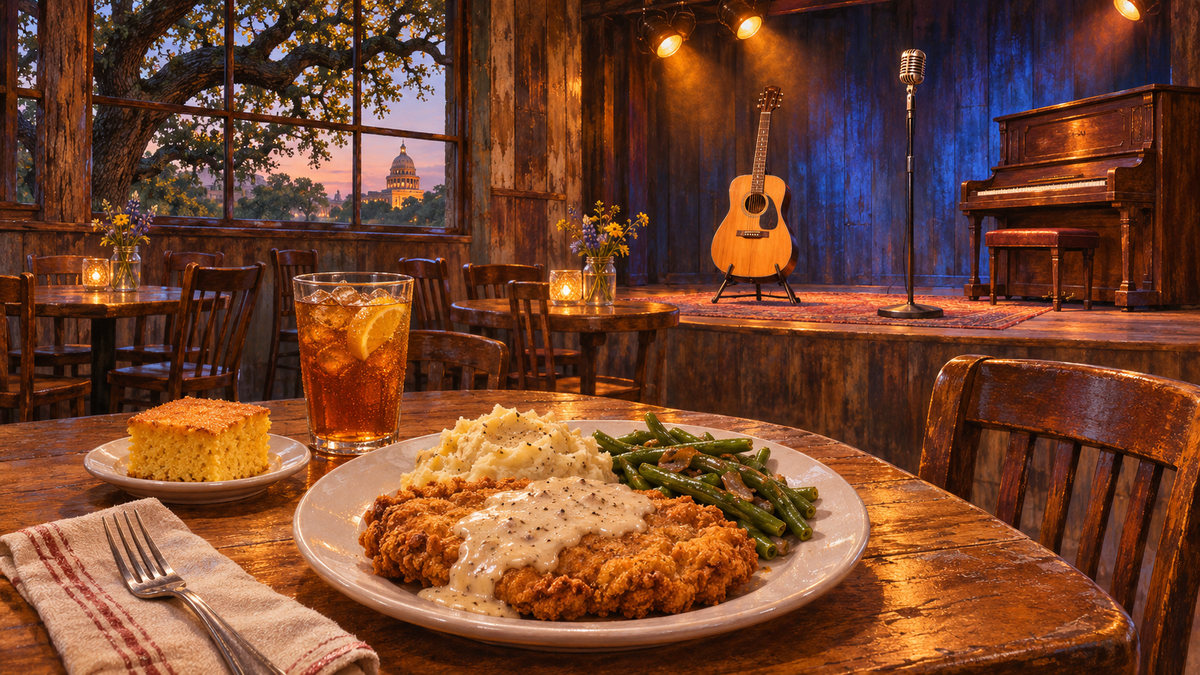
You’d be fascinated to learn about Eddie Wilson, a legendary Austin restaurateur who co-founded the iconic Armadillo World Headquarters in 1970. By blending hippies and cowboys, he created a sanctuary for music lovers, attracting renowned artists like Willie Nelson, Frank Zappa, and Taj Mahal. His influence extended beyond music, enriching Austin’s cultural landscape through ventures like Threadgill’s restaurants. If you look further, you’ll uncover the depth of his impact on the city’s vibrant history.
The Genesis of Armadillo World Headquarters
In 1970, Eddie Wilson and his partners launched a new era in Austin’s music scene by founding the Armadillo World Headquarters. Situated in an old National Guard armory, this venue became a haven for live music enthusiasts. With its low admission prices and inclusive vibe, you’d find yourself surrounded by hippies, cowboys, and businessmen, all absorbing the eclectic sounds of the Austin Sound.
Iconic artists who played there included Willie Nelson, Frank Zappa, AC/DC, Roy Buchanan, and Bette Midler. While the Armadillo was part of a broader cultural movement influenced by Kenneth Threadgill’s legacy, it stood on its own as a new kind of music venue.
Moody Amphitheater, located in downtown Austin, carries on this tradition by hosting concerts and cultural events with views of the Texas Capitol Building. Despite financial struggles leading to its closure in 1980, its legacy in shaping Austin's music scene remains unmatched.
Eddie Wilson's Influence on Austin's Music Scene
Although Eddie Wilson’s name may not be widely recognized beyond Austin, his influence on the city’s music culture is both profound and enduring.
By co-founding the Armadillo World Headquarters, he helped launch a venue that united redneck and hippie cultures, giving rise to the cosmic cowboy era and Austin Sound. You’d find artists like Willie Nelson and Taj Mahal on its stage, while its welcoming vibe drew audiences from all backgrounds.
Wilson’s Armadillo became a vital gathering place for music lovers, connecting fans and performers in a shared cultural space. Even after financial setbacks led to its closure in 1980, Wilson’s legacy endured.
His efforts at Threadgill’s continued to champion local music, ensuring Austin remained the live music capital of the world. The Armadillo World Headquarters was among Austin's best bars and nightlife venues, offering a unique blend of music and culture that captivated audiences.
The Cultural Impact of Threadgill’s Restaurants
Even if you’re not from Austin, entering Threadgill’s restaurants feels like stepping through a portal into the city’s rich cultural story. You’re welcomed by jukeboxes loaded with records from artists as diverse as those who once played at the Armadillo World Headquarters.
The fusion of Southern cooking and classic country music roots you in Austin’s heritage, offering more than just a dining experience. Threadgill’s served as a community gathering spot, nurturing grassroots movements and creating space for progressive voices. It was a place where activism, music, and Southern hospitality came together, reinforcing the city's collaborative and expressive spirit.
Navigating Financial Struggles and Business Ventures
While Eddie Wilson’s ventures achieved cultural success, financial stability often proved elusive.
At the Armadillo World Headquarters, ongoing financial strain persisted despite the venue’s popularity. Low ticket prices combined with high artist payouts led to the addition of a beer garden and food service in hopes of boosting revenue. Yet, the venue filed for Chapter 11 bankruptcy in 1977.
After its closure in 1980, Wilson carried the spirit of the Armadillo into his next endeavor—reopening Threadgill’s on New Year’s Day 1981, reconnecting with its musical roots and cultural resonance.
To weather economic downturns, Wilson even launched a frozen food line, strengthening Threadgill’s financial footing significantly.
Although both the original North Lamar location and the Riverside location closed in 2020 and 2018 respectively, the impact of Threadgill’s on Austin’s music and dining scene remains part of the city's cherished legacy.
Preserving Austin’s Musical Heritage and Legacy
Preserving cultural identity is crucial to maintaining Austin’s dynamic musical fabric, and Eddie Wilson has long been a key figure in that mission.
By co-founding the Armadillo World Headquarters, he helped launch a venue that served as a crucible for Austin’s music renaissance. Legendary performances by Willie Nelson, Frank Zappa, and others brought people together and helped define a new cultural aesthetic for the city.
Wilson’s blending of redneck and hippie cultures not only changed music but encouraged social tolerance and inclusion. A historical plaque, dedicated on August 19, 2006, marks the former site of the Armadillo, commemorating its lasting significance.
Through his memoir and continued storytelling, Wilson ensures that the Armadillo’s influence still echoes through Austin’s ever-evolving music landscape.

Comments (0)
No comments yet. Be the first to share your thoughts.
Leave a comment