


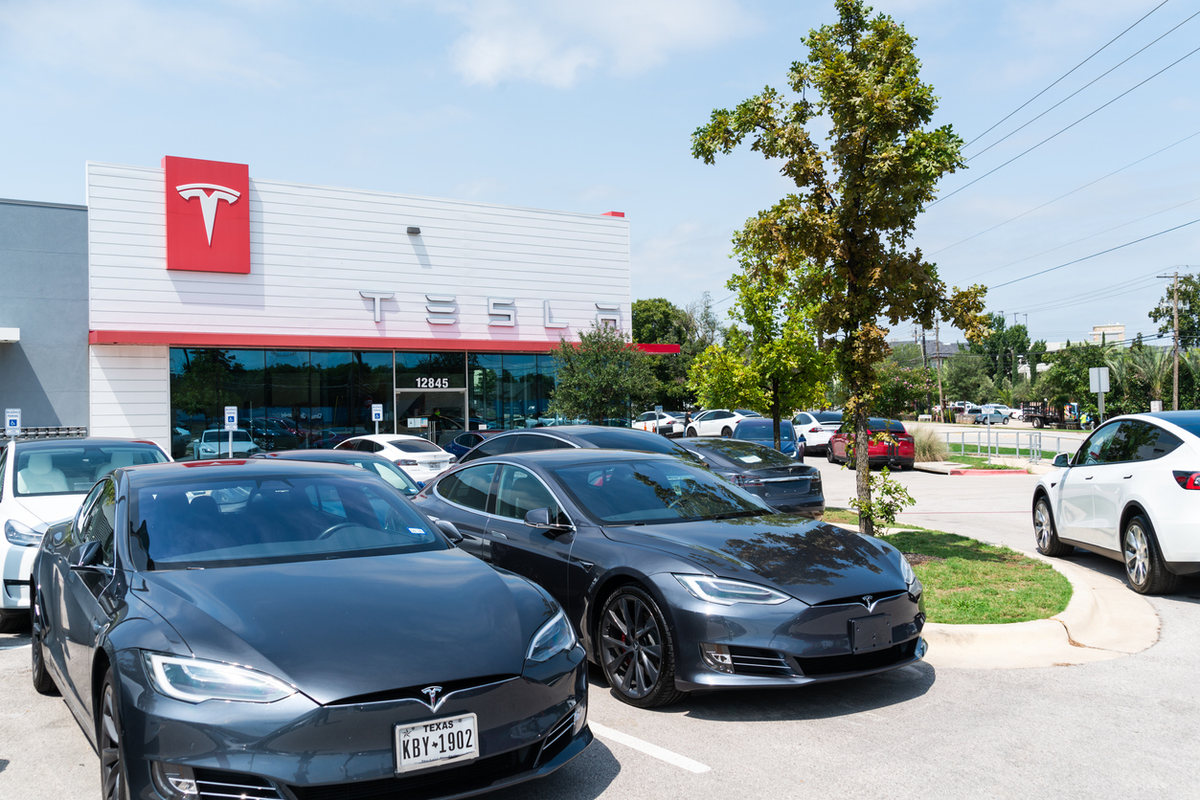
Austin is a city known for its lively music scene, diverse culinary offerings, and bustling outdoor activities. As the city grows and traffic becomes increasingly congested, many wonder if owning a car is essential. From public transportation options to bike-friendly streets and walkable neighborhoods, Austin offers various ways to navigate the city. Let’s explore the pros and cons of having a car in Austin, helping you decide the best way to get around.
Overview
Austin offers a variety of transportation options for visitors. Downtown, SOCO, and East Downtown are highly walkable neighborhoods. Hotels in popular areas like SOCO, Rainey, and Downtown provide easy access to restaurants, bars, coffee shops, concert venues, shopping, and pools, making a car rental mostly unnecessary.
Public transportation in Austin includes options like Capital Metro, MetroRail, and MetroRapid bus services. These can be useful for getting around the city. Ride-sharing services like Uber and Lyft are also readily available for trips to less walkable destinations.
For those who enjoy biking, Austin B-cycle and other bike rental services like JUMP are available. Scooters from companies like Bird provide another convenient way to explore the city. Yellow Cab Austin and other taxi services can assist with transportation needs as well.
Exploring attractions like the University of Texas, Barton Springs, and the State Capitol is easily doable without a car. Areas like Sixth Street and Rainey Street are known for live music and nightlife, accessible on foot or by short rides.
Pros of Owning a Car in Austin
Convenience and Flexibility
Owning a car in Austin provides unmatched convenience and flexibility. According to the U.S. Census Bureau, 83.1% of Austin residents commute by car. This statistic underscores the city's reliance on personal vehicles for daily transportation. The flexibility of having a car means you are not bound by public transportation schedules, allowing for spontaneous trips and errands. For example, a survey by the American Public Transportation Association (APTA) found that 79% of car owners appreciate the ability to make trips without planning ahead, highlighting the convenience factor.
Accessibility to Surrounding Areas
A car allows easy access to various attractions and destinations around Austin. The Texas Hill Country, known for its scenic drives, wineries, and hiking trails, is just an hour's drive away. For instance, Fredericksburg, a popular destination for its German heritage and vineyards, is approximately 80 miles from Austin and takes about 1.5 hours to reach by car. Lake Travis, located 20 miles from downtown Austin, offers recreational activities such as boating and swimming, easily accessible by car.
Furthermore, state parks like Pedernales Falls and McKinney Falls are within a 30-40 minute drive from the city, making weekend getaways feasible.
Time Savings
Owning a car can save substantial time, particularly for those with long commutes or multiple daily destinations. According to INRIX, a global transportation analytics company, the average commute time in Austin is about 26 minutes. However, those relying on public transportation can expect much longer travel times. Capital Metro, Austin's public transit system, often requires transfers and has limited routes, which can extend travel time significantly.
For example, a trip from North Austin to downtown by bus can take up to an hour, compared to a 20-30 minute drive.
Comfort and Convenience
The comfort of having a personal vehicle is another significant advantage. According to a study by the AAA Foundation for Traffic Safety, 64% of drivers prefer the comfort and privacy of their own car over public transportation. This preference is especially relevant in Austin, where summer temperatures often exceed 100 degrees Fahrenheit.
Cost-Effectiveness for Families
For families, owning a car can be more cost-effective than relying on public transportation or ride-sharing services. According to the Bureau of Labor Statistics, the average American household spends around $2,000 per year on public transportation, which can be higher for larger families requiring multiple tickets.
Cons of Owning a Car in Austin
Traffic Congestion
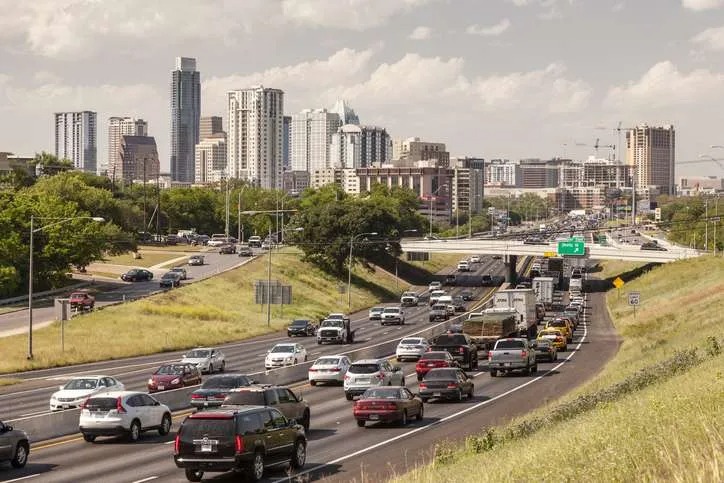
One of the major drawbacks of owning a car in Austin is dealing with heavy traffic congestion. According to the Texas A&M Transportation Institute's 2021 Urban Mobility Report, Austin ranks as the 14th most congested city in the United States. The average commuter in Austin spends approximately 53 hours per year stuck in traffic, which not only causes frustration but also leads to increased fuel consumption and time wastage. The city's rapid growth has outpaced its infrastructure improvements, resulting in bottlenecks, especially during rush hours on major highways like I-35 and the MoPac Expressway.
Parking Difficulties
Parking in Austin, particularly in downtown and other high-traffic areas, can be challenging and expensive. The Austin Transportation Department reports that the average cost of parking in downtown Austin is about $2 per hour, with some premium spots costing up to $5 per hour during peak times. Monthly parking permits in downtown garages range from $150 to $300, adding a substantial cost for those who need to park regularly. Additionally, finding available parking spots can be time-consuming, detracting from the convenience of owning a car. Residential areas also face parking challenges, with limited street parking and frequent restrictions.
Maintenance and Costs
The financial burden of car ownership extends beyond the initial purchase price. According to the American Automobile Association (AAA), the average annual cost of owning and operating a vehicle in the United States is approximately $9,500. This figure includes fuel, insurance, maintenance, and depreciation. In Austin, where the average price of gasoline was about $2.85 per gallon as of July 2021, fuel costs can quickly add up, especially for daily commuters.
Insurance premiums in Texas also contribute to the high cost of car ownership. The average annual cost of car insurance in Texas is around $1,400, according to the Insurance Information Institute. Additionally, vehicle registration fees in Texas are approximately $60 per year, adding to the overall expenses. Regular maintenance, such as oil changes, tire rotations, and unexpected repairs, can further strain the budget. The combined cost of these necessities makes car ownership a significant financial commitment.
Environmental Impact
Car ownership has a considerable environmental impact, contributing to air pollution and greenhouse gas emissions. The Environmental Protection Agency (EPA) states that transportation accounts for nearly 29% of total U.S. greenhouse gas emissions, with personal vehicles being a major contributor. In Austin, increased car usage exacerbates air quality issues, particularly during high-traffic periods. The city has taken steps to address these concerns, such as promoting public transportation and electric vehicle use, but the environmental footprint of widespread car ownership remains a significant drawback.
Dependence on Fossil Fuels
Owning a car increases dependence on fossil fuels, which are subject to price fluctuations and supply issues. The cost of gasoline can vary significantly, impacting monthly budgets. For example, during periods of economic instability or geopolitical tensions, fuel prices can spike, leading to unexpected increases in commuting costs. This reliance on fossil fuels also ties car owners to a non-renewable resource, contributing to broader concerns about energy sustainability.
Conclusion
Owning a car in Austin provides significant convenience and flexibility, allowing easy access to the city's attractions and surrounding areas. However, the drawbacks, including severe traffic congestion, parking challenges, high maintenance costs, and environmental impacts, are substantial considerations. With the city's rapid growth and increasing transportation demands, weighing the pros and cons of car ownership is crucial. By understanding these factors, residents and visitors can make informed decisions about the best ways to navigate and enjoy everything Austin has to offer.

Comments (0)
No comments yet. Be the first to share your thoughts.
Leave a comment