



Keeping a lawn alive in Central and West Texas can feel like a losing battle. Long stretches of heat, limited rainfall, strict watering rules, and challenging soil conditions all work against traditional turf grass. Many homeowners find themselves watering constantly, mowing often, and still ending up with patchy or stressed grass by midsummer.
A drought-resistant lawn offers a smarter approach. Instead of forcing grass to survive in conditions it was never meant for, this type of lawn works with the climate. The result is lower water use, healthier turf, and far less frustration.
Creating a drought-resistant lawn does not require giving up on curb appeal. It simply means making informed choices, adjusting expectations, and building a lawn that fits naturally into the Central and West Texas environment.
Understanding the Local Climate and Soil

Central and West Texas sit in a challenging climate zone for lawns. Summers are long and hot, rainfall is unpredictable, and evaporation rates are high. Even when rain does fall, it often comes in short, heavy storms that run off before soaking into the soil.
Soil conditions vary but are equally demanding.
In Central Texas, heavy clay soils dominate many landscapes. These soils hold water at the surface but compact easily, preventing deep root growth. In West Texas, soils are often sandy, rocky, or caliche-based, which allows water to drain quickly and leaves roots dry soon after watering.
These conditions explain why many conventional lawns struggle. Drought-resistant lawns succeed because they are designed around these realities, not in spite of them.
Redefining What a Healthy Lawn Looks Like

One of the biggest adjustments homeowners must make is redefining success. A healthy Texas lawn does not look the same as a lawn in cooler, wetter regions.
Drought-resistant lawns may:
- Go dormant and turn brown during extended dry periods
- Grow more slowly than traditional turf
- Have a slightly coarser texture or lighter color
Dormancy is not a sign of failure. It is a survival mechanism. Warm-season grasses conserve energy and protect their roots until moisture returns. Once conditions improve, healthy lawns recover naturally.
Accepting this cycle reduces the urge to overwater and helps the lawn stay stronger over time.
Choosing the Right Grass for Dry Conditions
Grass selection is the most important decision you will make. Warm-season grasses adapted to Texas heat outperform cool-season varieties in every meaningful way.
Buffalograss

Buffalograss is one of the most drought-tolerant turf options available. As a native grass, it evolved to survive with little rainfall. Once established, it requires minimal irrigation and infrequent mowing. It performs best in full sun and lighter soils and has a naturally low-growing habit.
Bermudagrass
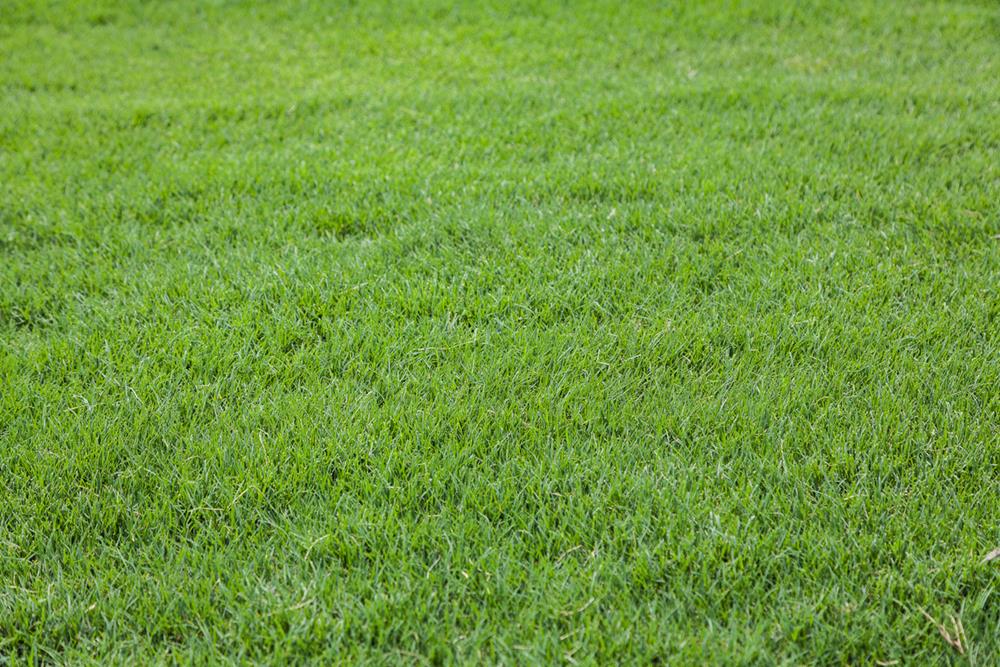
Bermudagrass remains popular because of its durability. It handles heat, foot traffic, and drought better than most turf grasses. It spreads quickly and repairs itself well, though it does require edging to keep it contained. Mature Bermudagrass lawns tolerate dry spells surprisingly well.
Zoysia Grass
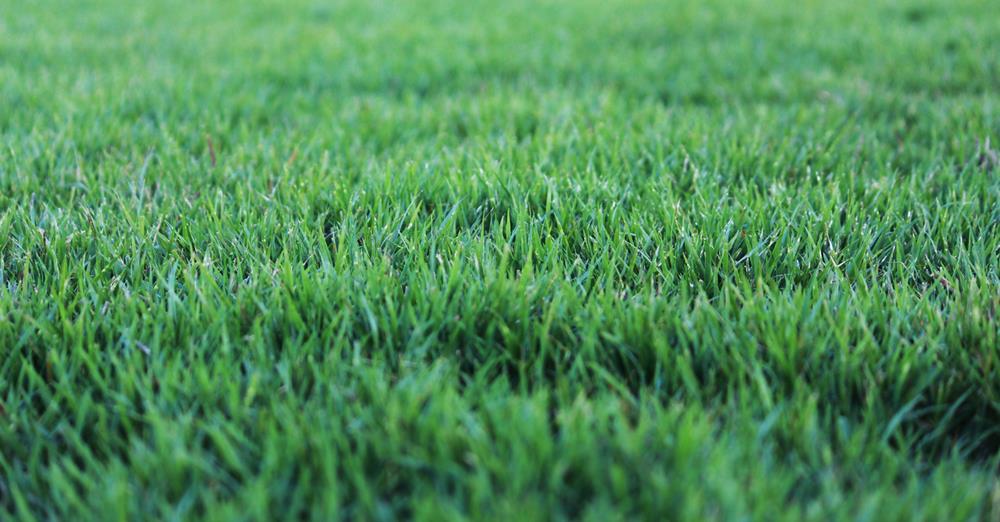
Zoysia offers a denser, softer lawn with good drought tolerance once established. It uses less water than many traditional grasses but takes longer to fill in. Zoysia works well in areas with moderate traffic and mixed sun exposure.
Blue Grama

Blue grama is especially well suited for West Texas. It thrives in sandy or rocky soils and uses very little water. Its appearance is more natural and works well for homeowners who prefer a low-input landscape.
When choosing grass, consider sun exposure, soil type, expected use, and how much maintenance you want long term.
Preparing Soil for Long-Term Success
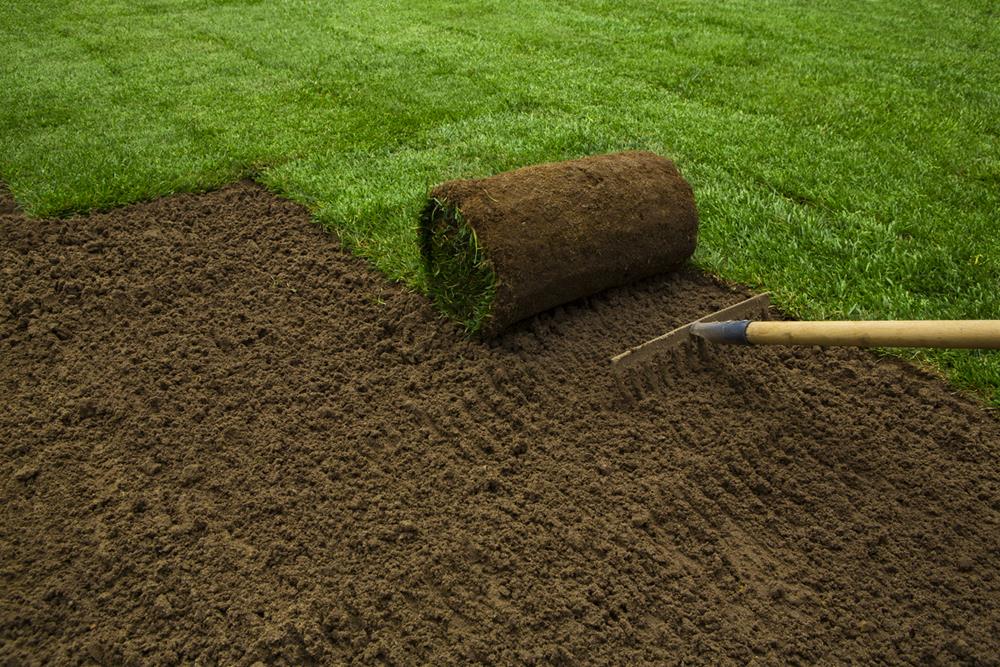
Even drought-tolerant grass struggles in poor soil. Improving soil structure helps every drop of water work harder.
Compacted soil is common in both clay and high-traffic areas. Aeration loosens the soil, improves drainage, and allows roots to grow deeper. Core aeration is most effective when done during the grass's active growing season.
Adding organic matter improves nearly every soil type. Compost helps clay soils drain better while increasing water retention in sandy soils. Top-dressing with a thin layer of compost once or twice a year gradually improves soil quality.
Soil testing is often overlooked but extremely useful. Knowing nutrient levels and pH helps prevent unnecessary fertilization and promotes steady, healthy growth.
Encouraging Deep, Drought-Resistant Roots
Strong root systems are essential for drought tolerance. Grass with shallow roots dries out quickly and depends on frequent watering.
Deep roots develop through consistent habits:
- Water deeply rather than frequently
- Allow soil to dry slightly between watering cycles
- Avoid compacting soil with heavy traffic
During establishment, grass may need more frequent watering. Once roots are established, spacing out watering encourages roots to grow downward in search of moisture.
Watering Smarter Instead of More Often
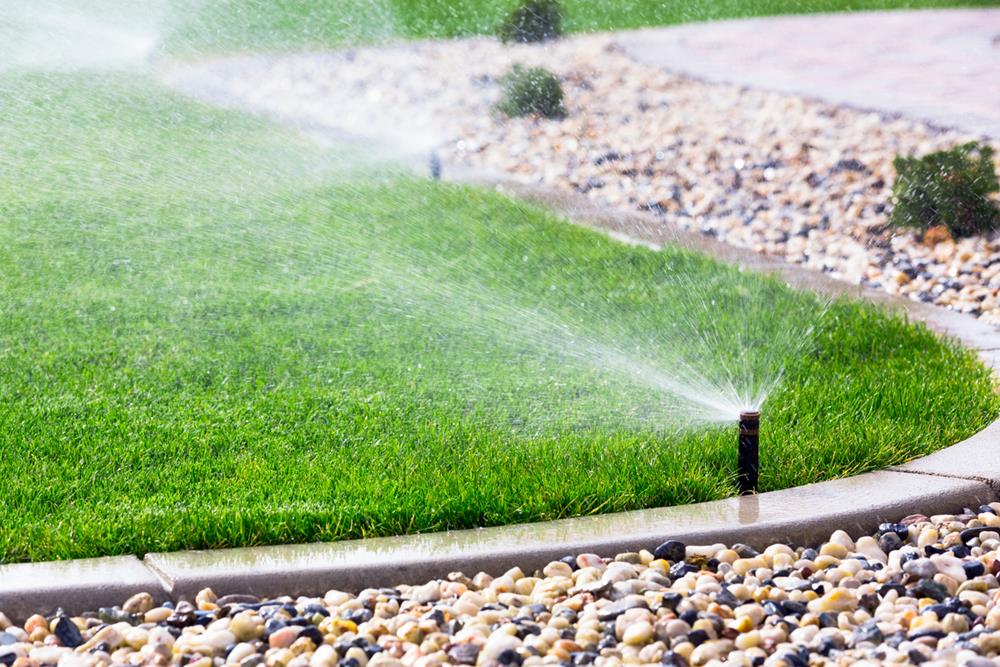
Efficient watering saves water while improving lawn health.
Early morning watering is ideal. Cooler temperatures and calmer winds reduce evaporation and allow moisture to reach the root zone. Evening watering increases the risk of disease during warm weather.
Irrigation systems should be checked regularly. Common problems include:
- Broken or clogged sprinkler heads
- Overspray onto sidewalks or driveways
- Uneven coverage that leaves dry patches
Rain sensors and smart controllers help adjust watering schedules automatically and prevent unnecessary irrigation after rainfall.
Most Texas communities follow watering schedules. Sticking to these guidelines helps lawns adapt to fewer watering days over time. For more ideas on enhancing your home's outdoor areas and beating the Texas heat, check out our helpful guide on outdoor and exterior services for Texas homes.
Mowing Practices That Protect Moisture
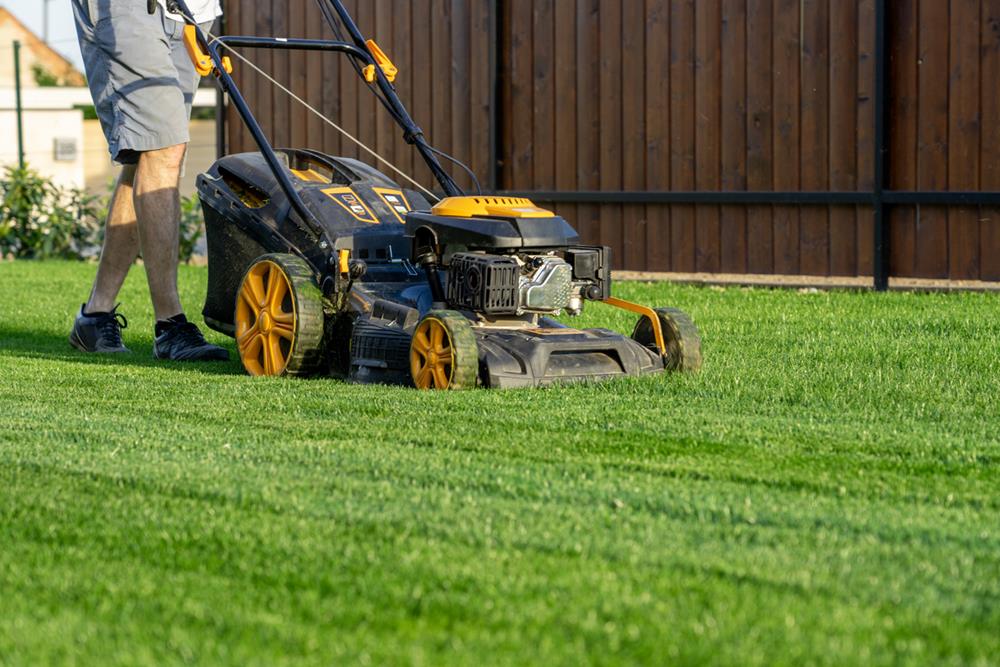
Mowing height directly affects water use. Taller grass shades the soil, keeps roots cooler, and reduces evaporation.
Avoid removing more than one-third of the grass height at a time. Scalping weakens grass and exposes soil to direct sunlight.
Sharp mower blades make clean cuts, which reduce stress and improve recovery during hot weather.
Leaving grass clippings on the lawn helps return moisture and nutrients to the soil naturally.
Fertilizing With Restraint
Over-fertilizing leads to rapid growth that demands more water. Drought-resistant lawns benefit from light, well-timed feeding.
Slow-release fertilizers support steady growth without overwhelming the grass. In many cases, one or two applications per year are enough.
Avoid fertilizing during extreme heat or drought. Grass under stress cannot use nutrients efficiently and may suffer damage.
Soil test results should guide fertilizer choices whenever possible.
Reducing Lawn Area to Save Water

One of the most effective water-saving strategies is simply reducing turf coverage.
Lawns are best reserved for areas that see regular use, such as play spaces or gathering areas. Less-used sections can be converted into low-water features.
Options include:
- Native planting beds
- Gravel or decomposed granite paths
- Drought-tolerant ground covers
Native plants such as Texas sage, cenizo, red yucca, and ornamental grasses blend naturally with drought-resistant lawns and require minimal irrigation once established.
Keeping Weeds Under Control During Drought
Weeds often thrive during drought because they adapt quickly to stress. A healthy lawn with deep roots offers the best defense.
Proper mowing height and watering practices help grass outcompete weeds naturally. Mulching around lawn edges reduces weed pressure where turf meets planting beds.
Spot treatments work better than blanket applications, especially during hot weather. Treating only problem areas protects grass and reduces chemical use.
Embracing Seasonal Changes
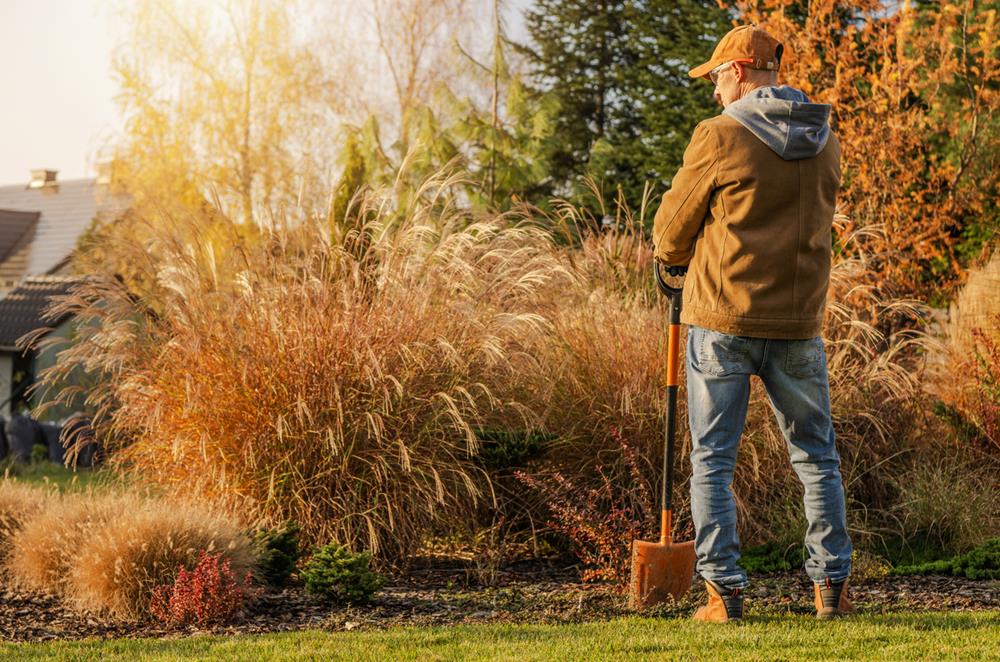
Drought-resistant lawns follow natural seasonal patterns. Growth slows during peak summer heat and resumes when conditions improve.
Brown or thinning areas during drought are not necessarily a problem. Overwatering to force green growth often weakens roots and creates long-term issues.
Patience pays off. Lawns adapted to Texas conditions recover when moisture returns.
Long-Term Benefits of a Drought-Resistant Lawn
A well-designed drought-resistant lawn offers lasting advantages.
Lower water use reduces monthly bills and eases pressure on local water supplies. Healthier soil and grass require fewer chemicals and less frequent mowing.
Over time, maintenance becomes simpler instead of more demanding. The lawn becomes resilient rather than fragile.
Perhaps most importantly, these lawns reflect the natural character of Central and West Texas. They look appropriate for the environment and perform reliably in it.
Final Thoughts
Creating a drought-resistant lawn in Central and West Texas is about working smarter, not harder. By choosing the right grass, improving soil, watering efficiently, and adjusting expectations, homeowners can enjoy attractive lawns without constant effort.
The process takes time, but the results are worth it. A water-wise lawn is healthier, more sustainable, and far better suited to Texas living.

Comments (0)
No comments yet. Be the first to share your thoughts.
Leave a comment