


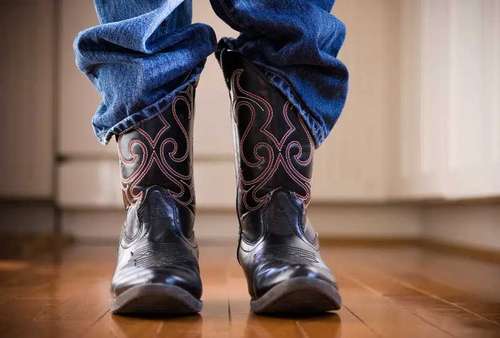
Cowboy boots have a look all their own. The tall shaft, pointed or rounded toe, stacked heel, and stitched leather all help create that classic Western style. But when it comes to comfort, one detail matters more than many first-time buyers expect.
Width.
A cowboy boot can be the right length and still feel wrong if the width does not match your foot. Too narrow, and the boot can pinch across the ball of your foot. Too wide, and your foot may slide around inside the boot. Either problem can turn a good-looking pair of boots into something you avoid wearing.
For Texans, cowboy boots are often everyday footwear. They show up at rodeos, ranches, dance halls, weddings, football games, and Friday nights out. That means fit matters. A boot that only looks good in the box will not do much for you once you start walking, standing, or dancing in it.
This guide explains cowboy boot widths in a simple way so you can understand what those letters mean, how boots should feel, and how to choose a pair that fits your feet well.
Why Cowboy Boot Width Matters
Cowboy boots fit differently from regular shoes. They do not have laces, so you cannot tighten or loosen them across the top of your foot. The fit depends on the shape of the boot itself.
That makes width especially important.
A proper boot width helps hold your foot in place without squeezing it. Your foot should feel secure across the instep and ball of the foot. At the same time, your toes should not feel cramped, and the sides of your feet should not feel crushed.
When the width is right, the boot feels firm at first but not painful. Leather cowboy boots often relax slightly as they break in. However, they should not feel unbearable when new. A tight spot may ease with wear, but a boot that feels painfully narrow is probably the wrong width or shape for your foot.
What Cowboy Boot Width Letters Mean
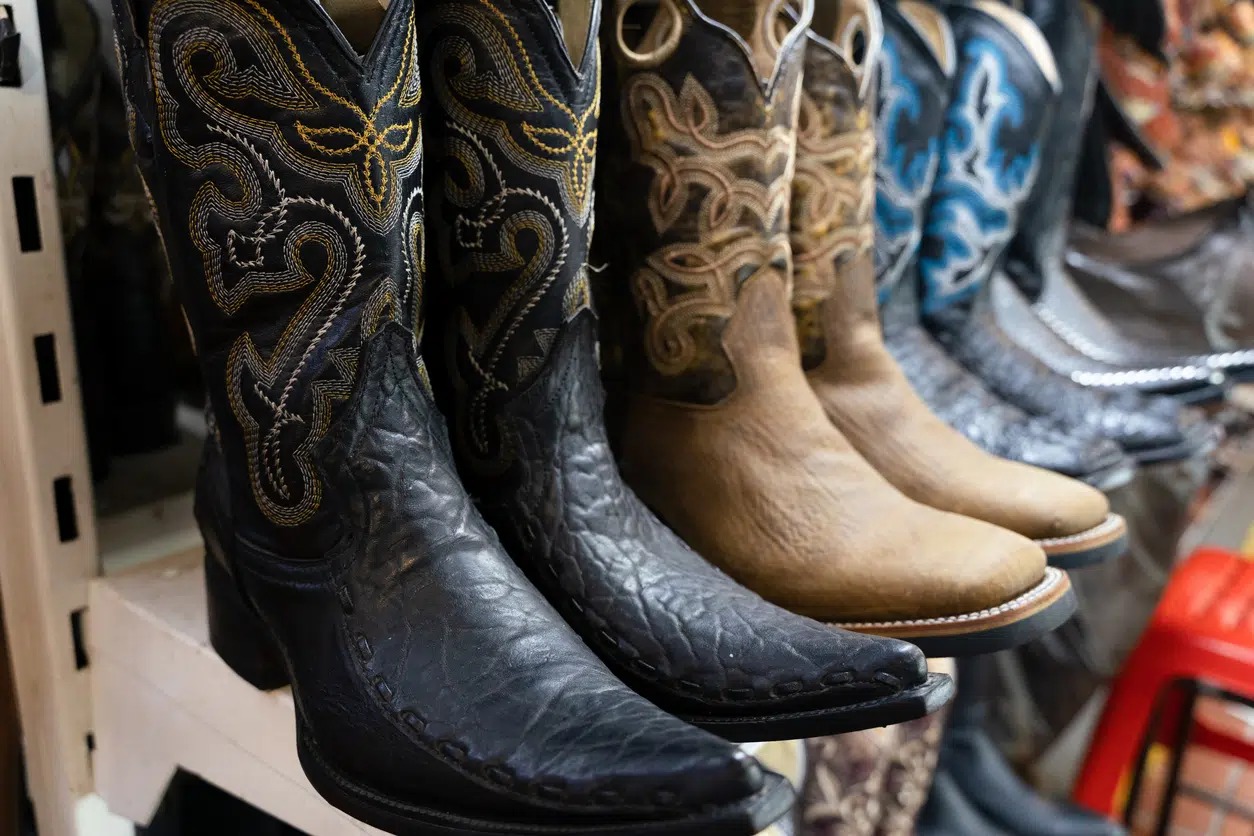
Cowboy boot widths are usually marked with letters. These letters tell you how wide the boot is compared with standard sizing.
The most common men’s cowboy boot widths are:
- B: Narrow
- D: Standard or medium
- EE: Wide
- EEE: Extra wide, though not available in every style
For women’s cowboy boots, common widths include:
- A: Narrow
- B: Standard or medium
- C: Wider than standard
- D: Wide
In many cases, D is the standard width for men, and B is the standard width for women.
This can confuse buyers because the same letter does not always mean the same thing across men’s and women’s sizing. A women’s B is considered medium, while a men’s B is narrow. That is why it helps to look at the full size label and not just the letter by itself.
Standard Width Cowboy Boots
A standard-width cowboy boot fits the average foot shape for that size range. For many men, that means a D width. For many women, that means a B width.
Standard width works well if your regular shoes usually fit comfortably without needing wide or narrow options. If you can wear most sneakers, dress shoes, or casual shoes in your normal size, you may be able to start with a standard-width boot.
Still, cowboy boots can feel different. The leather, toe shape, arch support, and instep all affect the fit. Two pairs in the same size and width can feel different if they come from different brands or use different lasts.
A last is the foot-shaped form used to make the boot. In plain language, it is the shape the boot is built around. Some brands make boots with a roomier fit. Others feel snugger through the foot.
Wide Cowboy Boots
Wide cowboy boots are made for people who need extra room across the ball of the foot or forefoot. In men’s boots, EE is the most common wide width. In women’s boots, C or D may be used depending on the brand.
A wide boot may be a better choice if regular shoes often pinch the sides of your feet. You may also need a wider boot if your feet spread when you stand, if you have bunions, or if you simply prefer more room across the front of the foot.
Wide boots should give your foot space without feeling sloppy. The goal is not a loose boot. The goal is a boot that holds your foot comfortably without pressure across the widest part of the foot.
If your foot slides side to side inside the boot, the width may be too large. If the leather bulges sharply over the sides of your foot, the boot may be too narrow.
Narrow Cowboy Boots
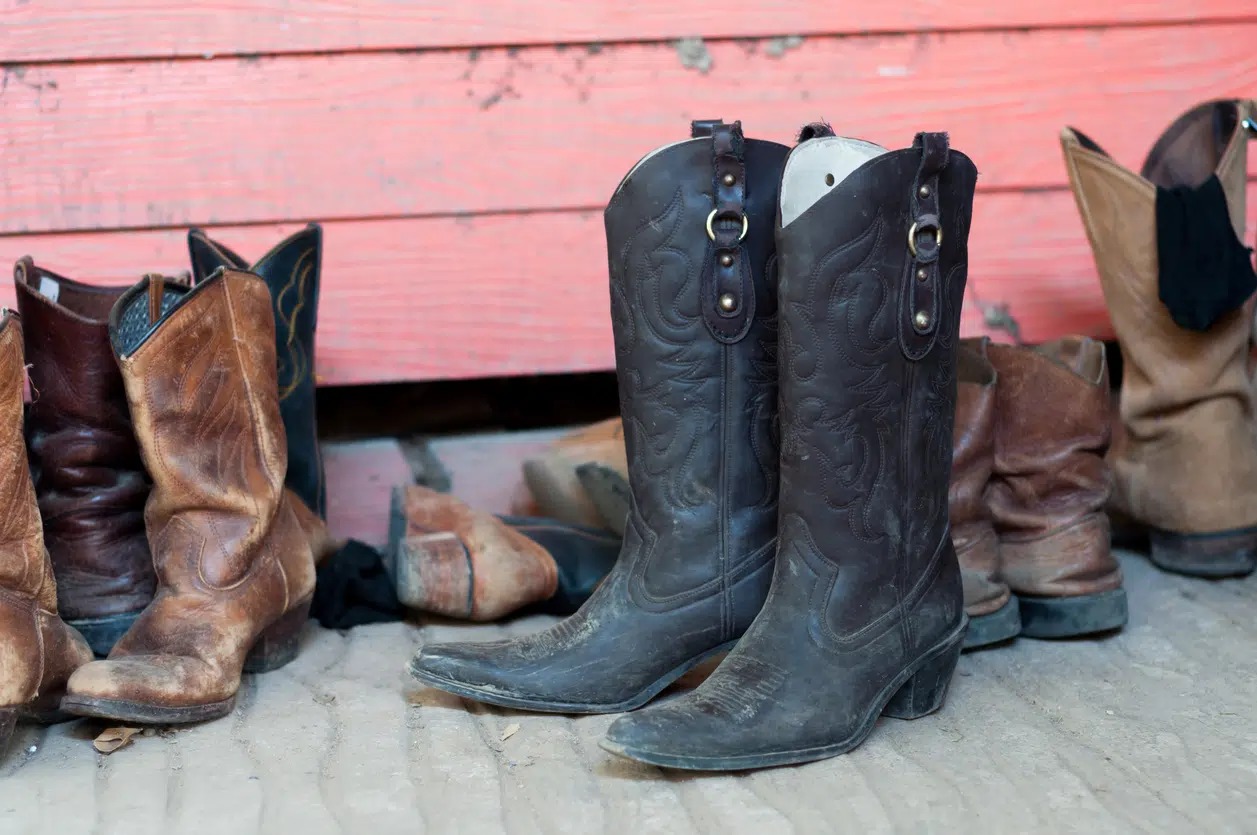
Narrow cowboy boots are made for feet that feel loose in standard-width boots. For men, B is often considered narrow. For women, A is usually narrow.
A narrow boot can help if your feet slide around inside regular boots, even when the length is correct. It can also help reduce heel movement and improve overall support.
However, narrow boots should still allow your toes to rest naturally. They should not squeeze the ball of the foot or create sharp pressure points. A narrow fit should feel secure, not painful.
How Cowboy Boots Should Fit
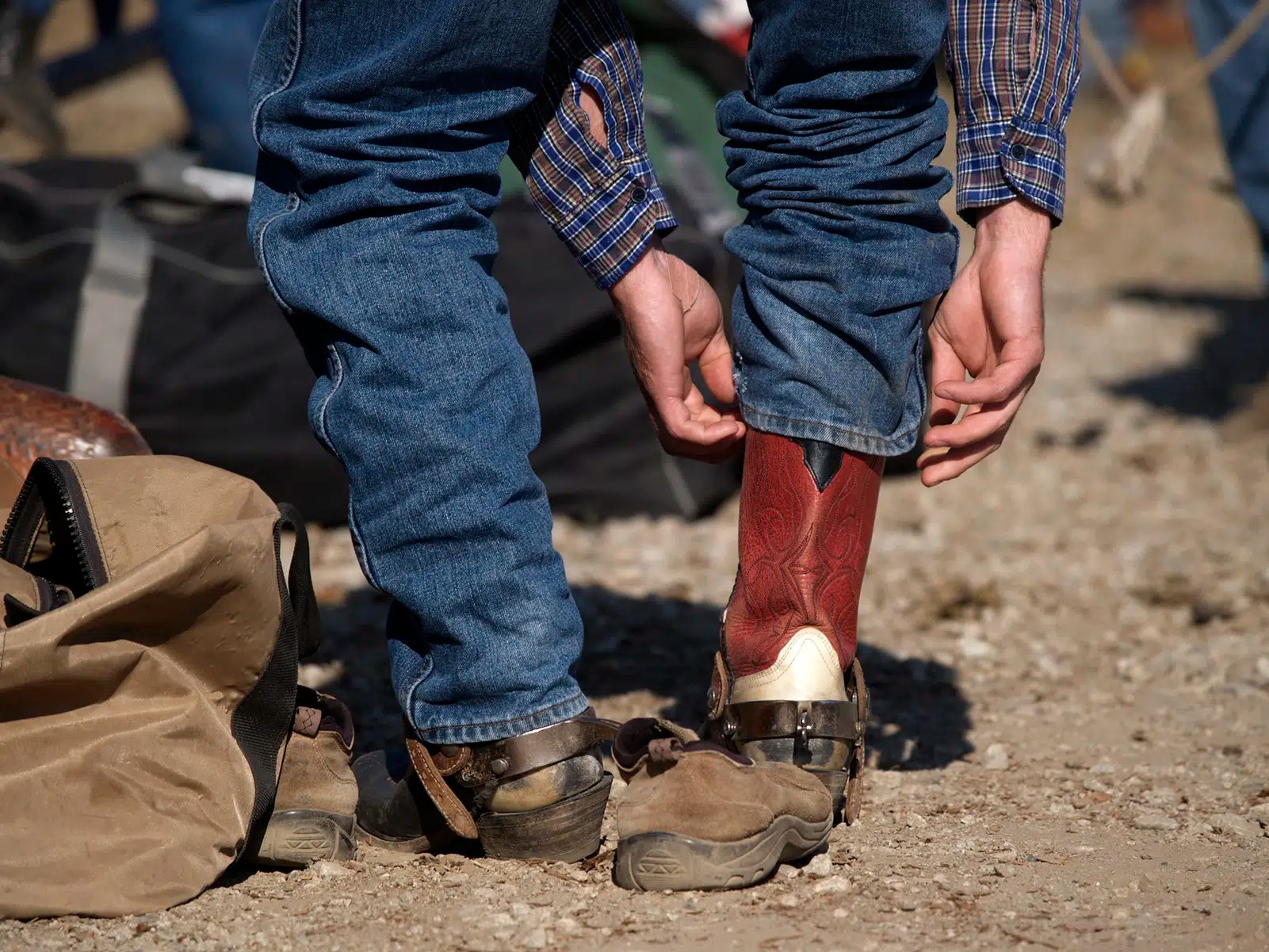
A good-fitting cowboy boot should feel snug, stable, and supportive. It should not feel like a sneaker, but it should not hurt either.
When you try on cowboy boots, pay attention to these areas.
The Instep
The instep is the top part of your foot. Since cowboy boots do not have laces, the instep does much of the work in holding your foot in place.
A proper fit should feel firm across the instep. You may feel some pressure, but it should not be painful. If the boot is too loose across the instep, your foot may slide forward. If it is too tight, the boot can feel hard to wear for more than a few minutes.
The Ball of the Foot
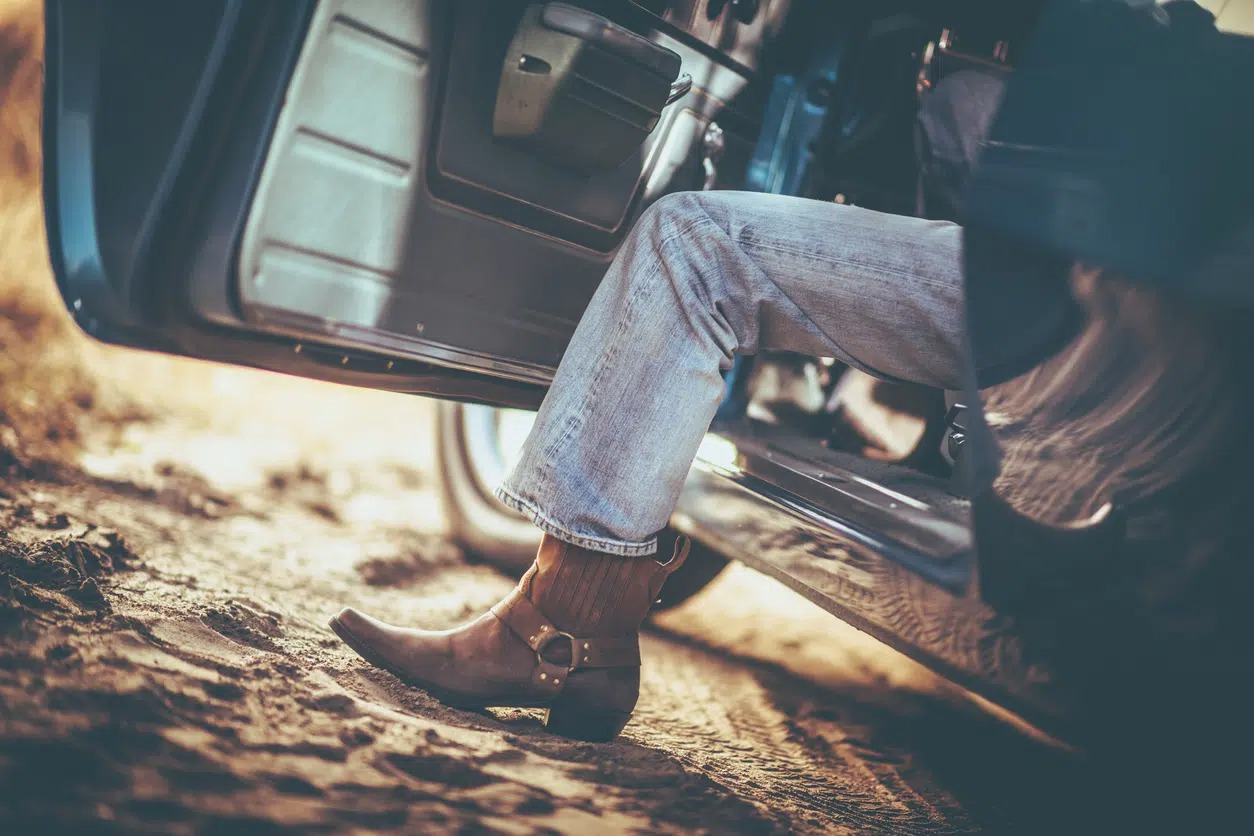
The ball of your foot is the widest part near the base of your toes. This area should line up with the widest part of the boot.
If the boot is too narrow here, you may feel pinching or burning. If it is too wide, your foot may shift as you walk.
This is one of the most important areas to check when judging boot width.
The Toes
Your toes should have enough room to rest comfortably. They should not feel crushed against the front or sides of the boot.
That said, toe shape matters. A pointed-toe cowboy boot will naturally have less space at the very front than a square-toe boot. Your toes should sit behind the narrowest part of the toe box, not jammed into it.
Do not choose a longer boot just to get more toe room. That can throw off the fit in the heel, arch, and ball of the foot. If the length feels right but the toes feel squeezed, you may need a different toe shape or width.
The Heel
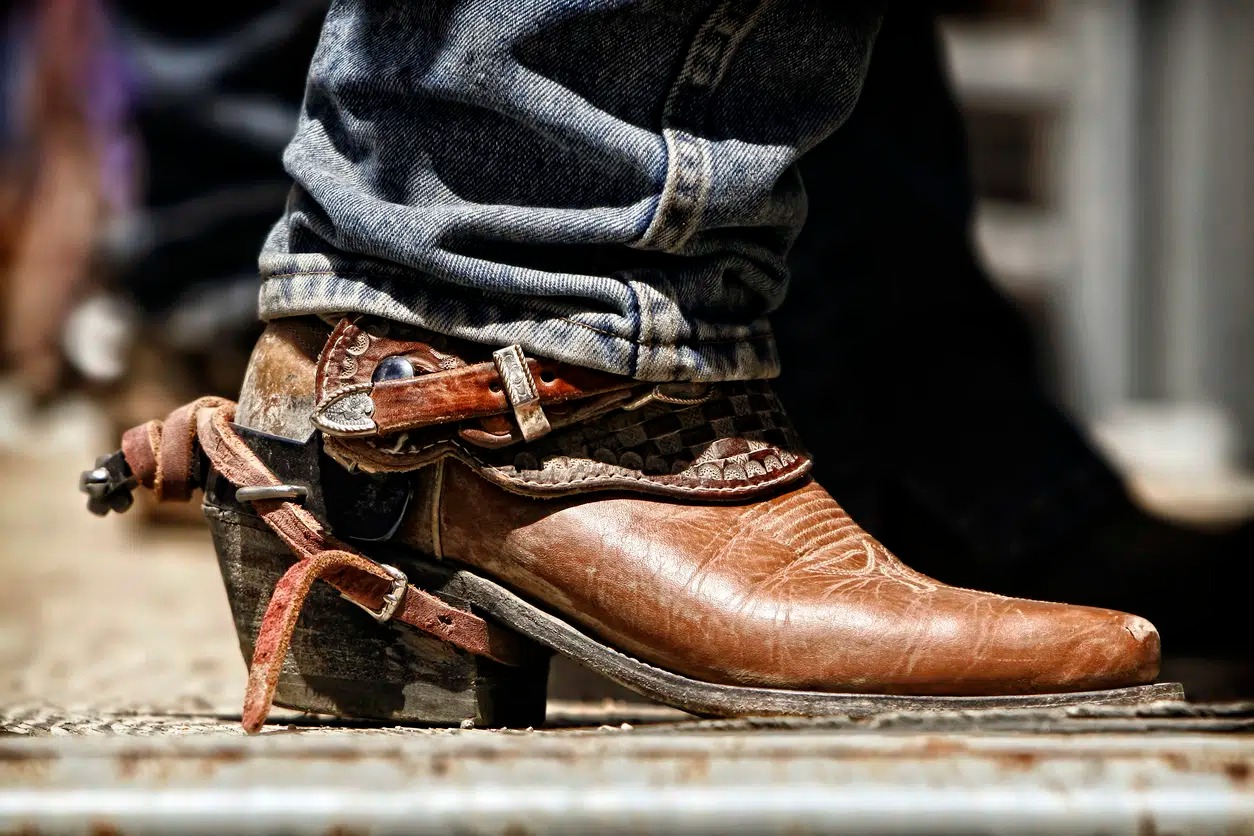
A little heel slip is normal in new cowboy boots. In fact, many new boots will slip slightly at the heel until the leather softens and forms to your foot.
A small amount of movement is fine. Too much slipping means the boot may be too large, too wide, or too loose through the instep.
As the boot breaks in, heel slip usually decreases. The sole becomes more flexible, and the leather begins to shape around your foot.
Do Cowboy Boots Stretch in Width?
Leather cowboy boots can stretch slightly with wear, especially across pressure points. However, they will not stretch enough to fix a badly sized boot.
This is where many buyers get into trouble. They try on a pair that feels painfully tight and assume the leather will stretch until it fits. Sometimes the boot improves a little. Other times, it stays uncomfortable.
A boot should feel snug when new, but not punishing. Mild tightness across the foot may soften. Sharp pain, numbness, or strong pinching means you should try another size, width, or style.
Exotic leathers can also behave differently. Some stretch less than cowhide. If you are buying boots made from caiman, ostrich, lizard, or another exotic material, be extra careful with fit from the start.
Toe Shape Can Affect Width
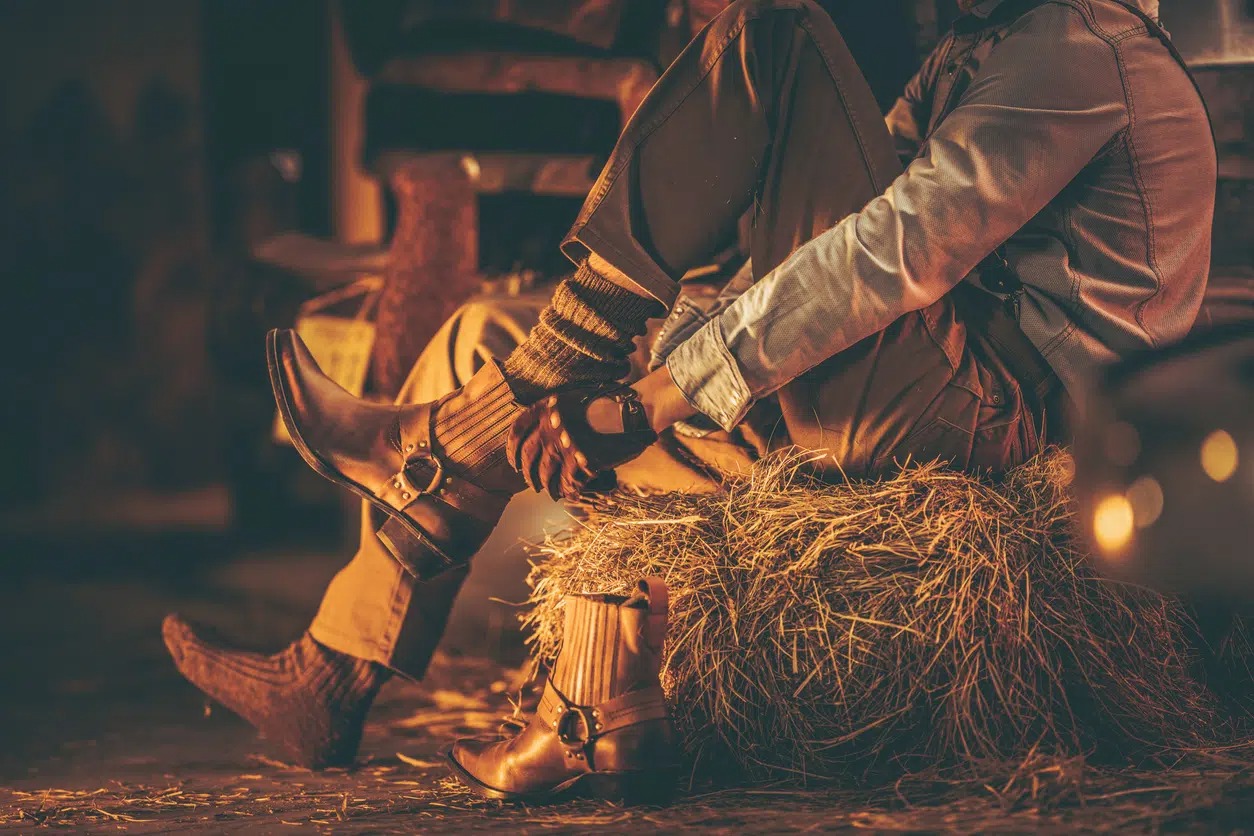
Cowboy boot width is not only about the width letter. Toe shape also changes how roomy a boot feels.
A broad square toe usually gives more space across the front of the foot. A round toe may feel balanced and traditional. A pointed toe can feel snugger, especially for people with wider feet.
In Texas, square-toe boots are especially popular because they offer comfort and a strong Western look. They work well for long days on your feet, whether you are at a stock show, ranch event, concert, or backyard cookout.
That does not mean square toe is always best. Some people prefer the look of a classic pointed toe or snip toe. The key is choosing a toe shape that works with your foot, not against it.
Brand Differences Matter
One brand’s D width may not feel exactly like another brand’s D width. Cowboy boot companies use different lasts, construction methods, and design choices.
This is why loyal boot wearers often stick with brands that fit their feet well. Once you find a brand and width that works, future shopping becomes much easier.
If you are trying a new brand, do not assume your usual size will be perfect. Start there, but judge the boot by feel. Walk around. Check the ball of your foot. Notice whether your toes feel crowded. Pay attention to heel slip and instep pressure.
Common Signs Your Cowboy Boots Are Too Narrow
A boot that is too narrow can make itself known quickly. Some signs include:
- Pinching across the ball of the foot
- Numbness or tingling
- Red marks along the sides of the feet
- Toes pressed tightly together
- Pain that gets worse the longer you wear the boots
Do not ignore these signs. Cowboy boots should break in, but your feet should not have to suffer through a bad fit.
Common Signs Your Cowboy Boots Are Too Wide
A boot that is too wide can also cause problems. It may feel comfortable at first because it does not pinch, but the lack of support can create rubbing and fatigue.
Signs of a boot that is too wide include:
- Your foot slides side to side
- Your heel lifts too much
- The boot feels unstable when walking
- Your toes grip the inside of the boot
- Blisters form from extra movement
A wide boot should still feel controlled. If your foot is swimming inside the boot, the fit is off.
Should You Size Up for Width?
Many people try to solve width problems by going up in length. Sometimes that helps a little, but it often creates new issues.
A larger size may give you more room, but it can also place your foot in the wrong part of the boot. The arch may not line up. The ball of your foot may sit too far back. The heel may slip too much.
If the length feels right but the boot is too tight across the foot, try a wider width first. If the width feels good but the boot is too long, try a shorter size in the same width.
Good boot fit is about matching both length and width.
Tips for Trying On Cowboy Boots
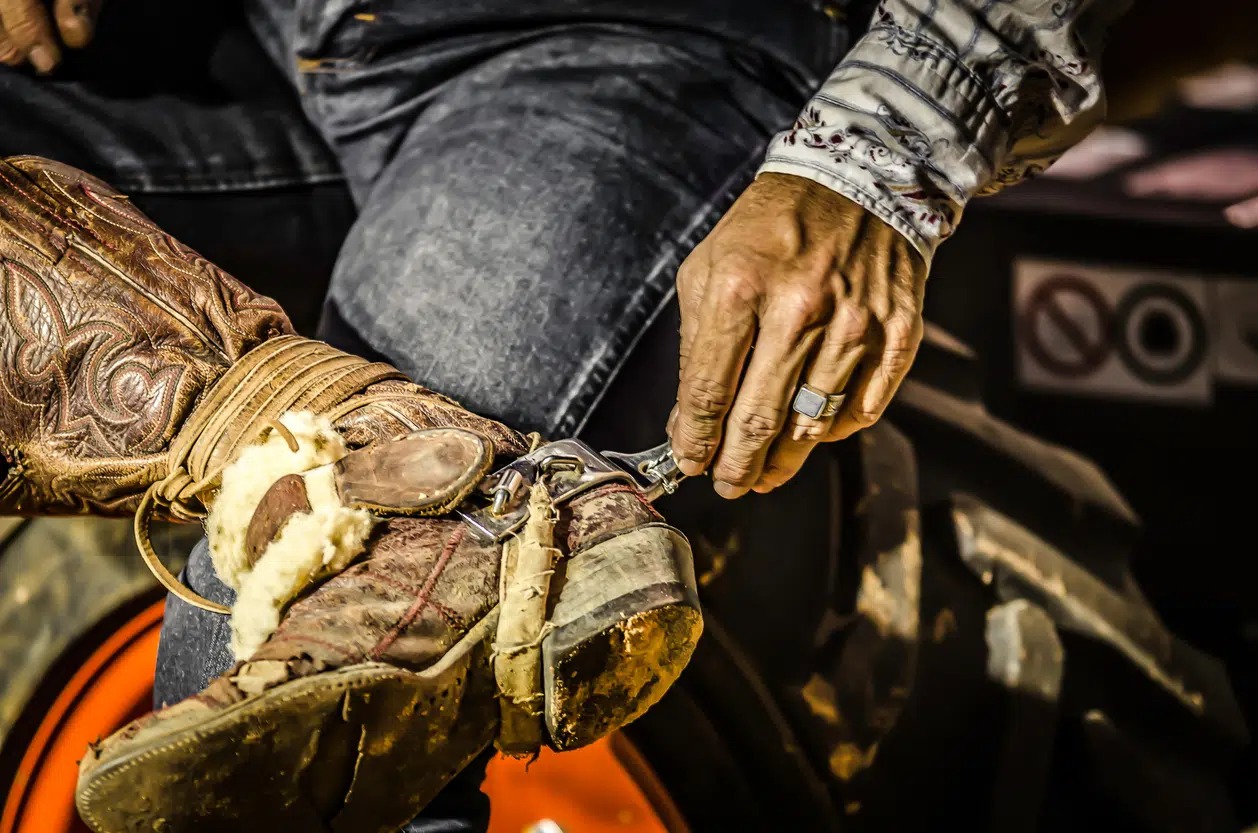
Try on boots later in the day if possible. Feet can swell slightly after walking or standing, especially in warm Texas weather. A boot that fits in the morning may feel tighter by evening.
Wear the socks you plan to wear with the boots. Thick socks can change the fit. Thin socks can make a boot feel looser.
Walk on a clean surface and take your time. Do not judge the fit while standing still for a few seconds. A boot can feel fine at first and then show problems once you move.
Also, try both boots. Most people have one foot that is slightly larger than the other. Fit the larger foot first, then check whether the other boot still feels secure.
Boot Width and Texas Weather
Texas weather can affect how boots feel. Heat can make feet swell. Long days at rodeos, fairs, ranches, and outdoor events can make a snug boot feel tighter by the hour.
If you plan to wear your boots for long stretches, comfort matters. A stylish boot that pinches after 20 minutes will spend more time in the closet than out on the town.
For everyday Texas wear, choose a width that feels secure without pressure. A well-fitting boot should be able to handle walking, standing, driving, and a little two-stepping without making you count the minutes until you can take it off.
What If You Are Between Widths?
Some people fall between standard and wide. If that sounds like you, compare different toe shapes and brands before deciding.
A standard-width square-toe boot may feel better than a wide pointed-toe boot. A different brand in the same width may also solve the issue.
In some cases, a boot stretcher or professional stretching can help with minor tightness. This works best for small adjustments, not major fit problems. A cobbler or boot shop can often stretch a tight spot across the forefoot, but they cannot completely reshape a boot.
Final Thoughts
Cowboy boot width can make the difference between a pair you love and a pair you regret buying. The right width should feel snug, steady, and comfortable enough for real wear.
For men, D is usually standard and EE is wide. For women, B is usually standard, while C or D may offer more room. But letters only tell part of the story. Toe shape, brand, leather type, instep height, and foot shape all play a role.
A good cowboy boot should hold your foot without squeezing it. It should let you walk with confidence. It should feel ready for Texas life, from dusty fairgrounds to polished dance floors.
Take the time to understand width, and your boots will reward you with comfort, style, and plenty of miles.

Comments (0)
No comments yet. Be the first to share your thoughts.
Leave a comment