


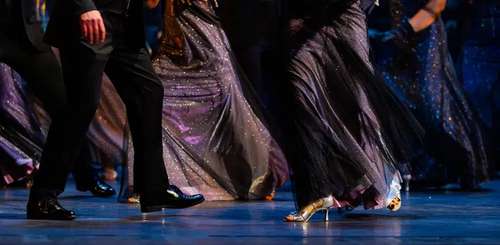
For more than a century, Coupland Dancehall has stood quietly along the back roads of Central Texas, welcoming generations of dancers, musicians, and neighbors through its doors. Few places last that long, especially places built for something as simple and human as gathering to hear music and dance together. Founded in 1904, Coupland Dancehall has lived through wars, economic downturns, changing musical tastes, and dramatic shifts in how people spend their free time.
At one point in the mid-2020s, it appeared that its long story might finally be coming to an end. Farewell language circulated. Longtime patrons reflected on memories. For a moment, Coupland Dancehall seemed destined to join the long list of historic venues that survive only in photographs and personal stories.
Instead, it continued.
That moment of uncertainty became part of its history rather than its conclusion. Today, Coupland Dancehall stands as both a surviving institution and a reminder of how fragile these places can be, even after more than a hundred years.
A Dancehall Built for Its Neighbors
When Coupland Dancehall opened in the early twentieth century, entertainment was local by necessity. Rural towns depended on shared spaces for social life, and dancehalls filled that role across Texas. They hosted weekly dances, seasonal celebrations, and gatherings that brought entire communities together.
Coupland Dancehall was built for function, not flash. Its wide wooden floor, modest stage, and open layout reflected its purpose. People came to participate, not observe from a distance. Music filled the room, and dancing followed naturally.
In those early decades, musicians played live without amplification. Fiddles, guitars, and early string bands provided the soundtrack for evenings that often stretched late into the night. The hall was where people met future spouses, celebrated milestones, and stayed connected in a time when small towns relied heavily on shared routines.
A Floor Worn Smooth by Time
The dance floor at Coupland became one of its most defining features. Over decades, it absorbed countless footsteps, spins, and shuffled boots. It bore the marks of repetition, not neglect. Each scratch and worn patch told a quiet story.
Unlike many modern venues where crowds stand still, Coupland encouraged motion. Dancing was central to the experience. The energy of a night depended as much on the dancers as it did on the band. Musicians felt that connection immediately. A responsive floor could lift a performance, turning a good night into a memorable one.
For locals, the floor became part of personal history. It held first dances, last dances, and everything in between. Those memories accumulated slowly, building a sense of belonging that could not be replicated elsewhere.
A Trusted Stop on the Texas Music Circuit
As country music evolved, Coupland Dancehall grew into a respected stop within the Texas music scene. It never chased national fame, yet musicians knew its reputation. Playing there meant engaging a knowledgeable, attentive crowd.
The hall welcomed a wide range of performers, from regional favorites to artists still finding their footing. Many musicians learned early lessons there. You had to hold the room. You had to respect the dancers. You had to play with purpose.
This dynamic preserved an older relationship between performer and audience. Music was not background noise. It was the reason everyone showed up. That expectation shaped both performances and reputations.
A Place That Reflected Small-Town Rhythm
Coupland Dancehall fit naturally into the rhythm of rural Texas life. Weekend dances were planned events. People arrived early, greeted familiar faces, and settled into routines that rarely changed.
Generations overlapped. Teenagers danced near grandparents. Parents watched children experience the hall for the first time. Over time, roles shifted, but the space remained constant. That continuity gave the dancehall emotional weight.
For many, it became a reference point. Life events were measured around nights spent there. Even those who moved away carried memories of the hall with them.
Pressure from a Changing World
By the twenty-first century, the environment surrounding venues like Coupland had changed dramatically. Entertainment options multiplied. Live music consumption shifted toward cities, festivals, and online platforms. Rural venues faced rising costs and shrinking margins.
Coupland Dancehall chose consistency over reinvention. It stayed focused on traditional country music and dancing. That commitment preserved its character but narrowed its audience. Maintenance of an aging building added another layer of challenge.
Eventually, its future came into question. Conversations about closure prompted reflection from the community and beyond. For a brief period, it appeared that the hall’s long run might be ending.
The Moment That Became Part of the Story
The period when Coupland Dancehall’s closure seemed likely now stands as a meaningful chapter in its history. It revealed how much the venue still mattered to people who had passed through its doors. Memories resurfaced. Stories were shared. Attention returned to a place many had taken for granted.
That moment led to new stewardship and renewed commitment. Rather than becoming a final chapter, it became a turning point. The hall continued, carrying its past forward rather than closing it off.
This survival does not erase the challenges it faced. Instead, it highlights how close many historic venues come to disappearing, even after generations of service.
Why Coupland Dancehall Endures
Coupland Dancehall endures because it was built around participation rather than spectacle. It asked people to show up, dance, listen, and be present. That model created loyalty rather than trends.
Its significance lies in everyday moments rather than historic headlines. Ordinary nights added up over time, forming a cultural record rooted in experience rather than documentation.
The hall’s continued existence reinforces the idea that history does not always end cleanly. Sometimes it bends, pauses, and continues.
A Living Piece of Texas Cultural History
Today, Coupland Dancehall represents more than survival. It represents continuity. Few places maintain their original purpose for over a century. Fewer still manage to do so while adapting just enough to remain relevant.
Its story reminds us that cultural landmarks do not exist independently of people. They rely on attendance, care, and shared belief in their value. When that belief fades, even the strongest foundations are tested.
Coupland Dancehall passed that test, at least for now.
Looking Back While Moving Forward
Coupland Dancehall’s history stretches from the early days of rural Texas into the modern era. It has witnessed changes in music, fashion, technology, and social life. Through it all, the hall remained focused on the same idea it started with in 1904.
Bring people together.
Play live music.
Let them dance.
That simple formula carried it through more than a century. Whether experienced decades ago or more recently, time spent at Coupland Dancehall left an impression. Its story continues, shaped by memory, resilience, and the quiet power of shared space.
Comments (0)
No comments yet. Be the first to share your thoughts.
Leave a comment