


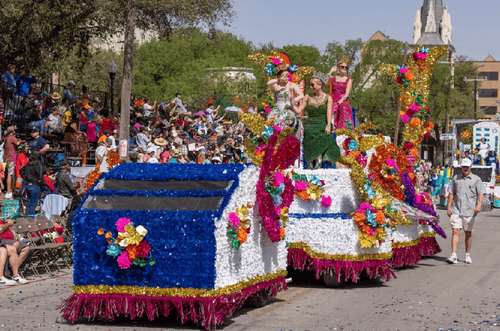
Texas knows how to throw a festival. From small-town courthouse squares to big-city parks, festivals across the state bring people together with food, music, history, art, and local pride. Some celebrate a crop. Some honor a culture. Some mark a season. Others simply give neighbors a reason to gather, eat well, and enjoy a weekend outside.
What makes Texas festivals so interesting is the mix of traditions behind them. The state has deep Mexican, German, Czech, Polish, African American, Native American, Southern, Western, and coastal influences. Those cultures show up in the food, music, dances, parades, contests, clothing, and ceremonies you see across the state.
Even though every festival has its own personality, many share familiar traditions. Once you know what to look for, you start seeing patterns from the Rio Grande Valley to the Panhandle, from the Gulf Coast to the Hill Country.
Parades That Bring the Town Together
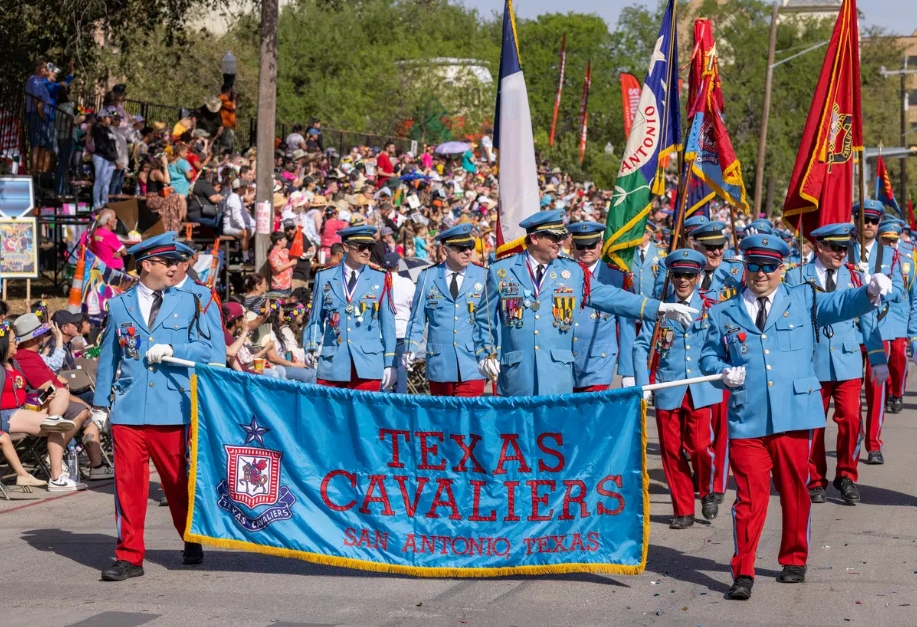
A festival parade is one of the most common traditions in Texas. In many towns, the parade feels like the official opening ceremony. People line the sidewalks with folding chairs, coolers, strollers, and camera phones. Local families often claim their favorite viewing spots early in the morning.
Texas festival parades usually include a mix of floats, marching bands, horses, classic cars, dance groups, military veterans, local businesses, fire trucks, tractors, and school organizations. In smaller towns, almost everyone seems to know someone in the parade.
The parade often reflects the theme of the event. A rodeo festival may feature riders on horseback, wagons, and Western gear. A heritage festival may include traditional clothing and cultural dance groups. A harvest festival may decorate floats with cotton, peaches, strawberries, pumpkins, or whatever local crop the town is celebrating.
For many communities, the parade is about more than entertainment. It gives schools, churches, civic groups, veterans, first responders, and local clubs a public moment of recognition. It also reminds visitors that festivals in Texas are often built around community participation, not only professional performers.
Live Music on Outdoor Stages
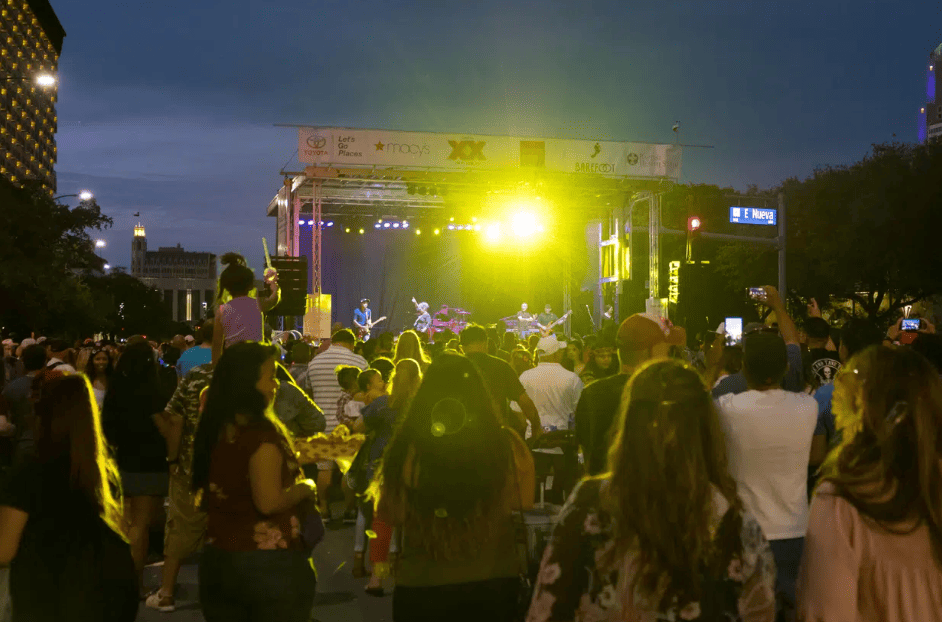
Music is central to festival life in Texas. It may be country, Tejano, conjunto, blues, zydeco, rock, gospel, mariachi, polka, jazz, or a mix of several styles in one weekend. Texas has a wide musical identity, and festivals often show that range better than any single concert hall could.
Outdoor stages are common. They may be set up near a courthouse, in a park, beside a rodeo arena, on a street blocked off for the event, or inside a fairground. In larger festivals, there may be multiple stages with different acts scheduled throughout the day.
Music also helps connect festivals to their cultural roots. German festivals often feature polka bands and accordion music. Mexican American celebrations may include mariachi, norteño, Tejano, or folklórico performances. Cajun and Gulf Coast festivals may bring in zydeco or swamp pop. Juneteenth celebrations often include gospel, blues, R&B, and spoken-word performances.
The music is not always background noise. It can shape the whole mood of the festival. People dance in front of the stage, sing along from picnic tables, or sit under shade tents while families move between food booths and craft vendors.
Food Booths Full of Local Flavor
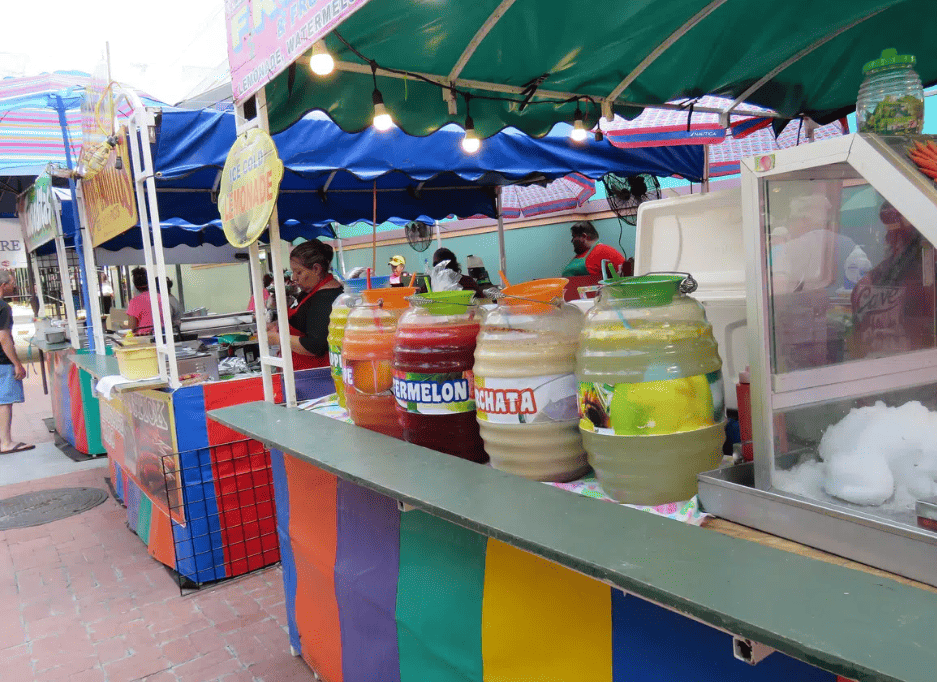
Food may be the biggest reason many people attend Texas festivals. You can learn a lot about a town by looking at what is served from its booths, trucks, and fundraising stands.
Barbecue is common, especially brisket, sausage, ribs, and chopped beef sandwiches. Tex-Mex favorites also appear everywhere, including tacos, tamales, enchiladas, nachos, gorditas, and elote. In German and Czech communities, visitors may find sausage plates, schnitzel, sauerkraut, kolaches, klobasniky, and homemade pastries. Along the Gulf Coast, seafood festivals may serve shrimp, oysters, crawfish, catfish, crab, and gumbo.
Many food booths are run by local churches, school groups, volunteer fire departments, civic clubs, or family-owned businesses. That gives festival food a community purpose. A plate of barbecue or a bag of kettle corn may help fund scholarships, youth sports, band trips, or local charities.
Festival food also tends to be practical. It is made to be eaten while walking, sitting on a curb, or standing near a stage. Corn dogs, funnel cakes, turkey legs, roasted corn, lemonade, snow cones, and fried desserts are familiar sights at many events.
Cook-Offs and Food Contests
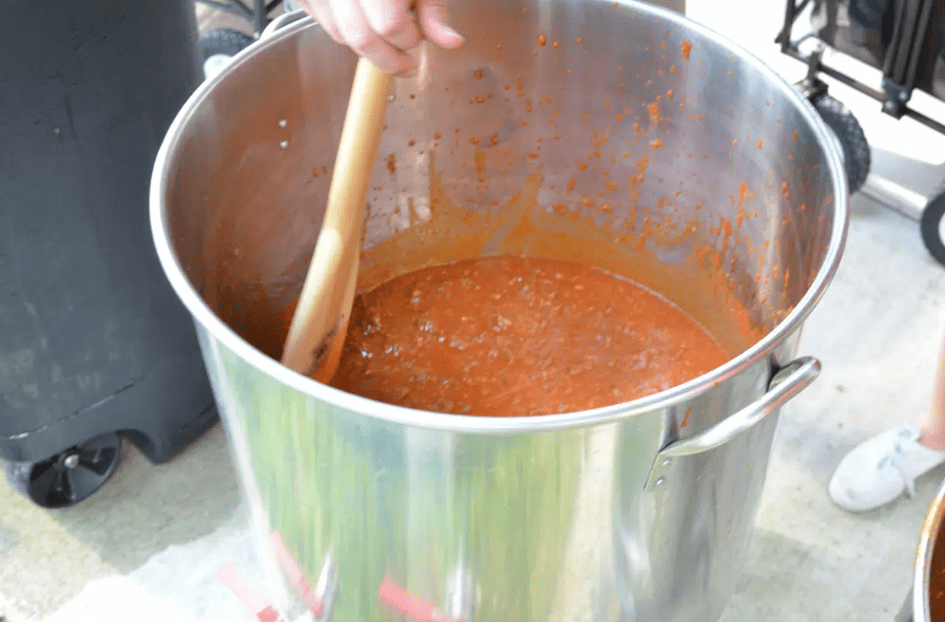
Texans love competition, and food contests are a major part of festival culture. Cook-offs give skilled home cooks, restaurant teams, pitmasters, and local groups a chance to show what they can do.
Barbecue cook-offs are especially popular. Teams often arrive with trailers, smokers, tents, coolers, and secret seasoning blends. Judges may score brisket, ribs, chicken, beans, salsa, or chili. The atmosphere can be serious, friendly, and festive all at once.
Chili cook-offs also have a long history in Texas. Some are casual local events, while others follow strict judging rules. Chili contests often draw loyal competitors who return year after year.
Other festivals build contests around local ingredients. A peach festival may include cobbler judging. A strawberry festival may feature jam, shortcake, or pie competitions. A tamale festival may judge texture, flavor, filling, and masa. Gulf Coast festivals may host gumbo, shrimp, or seafood contests.
These competitions do more than crown winners. They preserve recipes, encourage friendly rivalries, and give visitors a taste of local pride.
Rodeo Events and Western Demonstrations
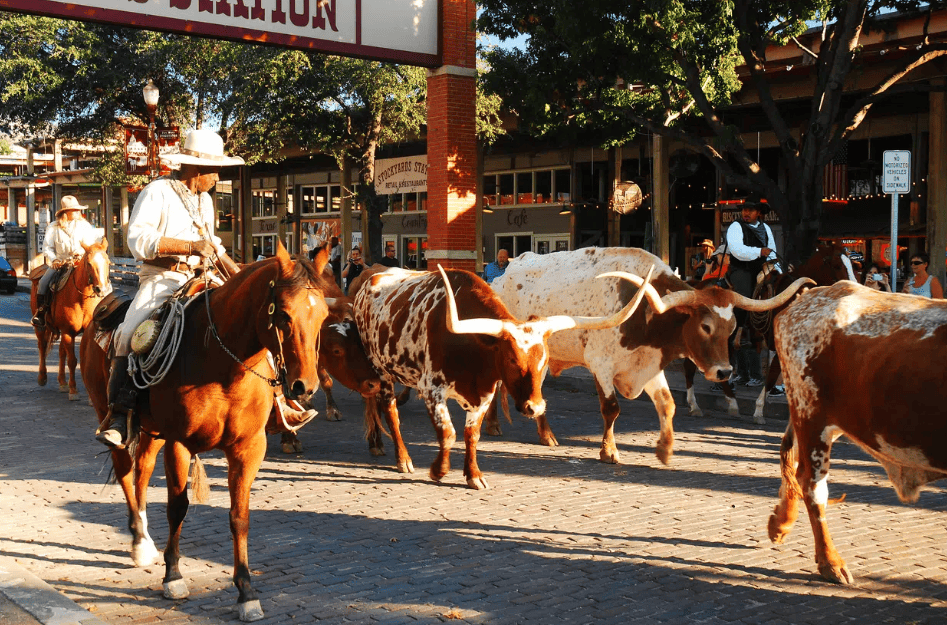
Many Texas festivals include Western traditions, especially in communities with ranching or rodeo history. Even when the festival itself is not a rodeo, you may still see cowboy-themed activities on the schedule.
Common events include barrel racing, team roping, calf scrambles, mutton bustin’, trail rides, horse shows, and roping demonstrations. Some festivals also include livestock shows, petting zoos, pony rides, or agricultural exhibits for children.
Western demonstrations can be educational. Visitors may see blacksmithing, leatherwork, chuck wagon cooking, horse training, or old ranching tools. These displays help connect modern festivalgoers with the work and skills that shaped many Texas communities.
Cowboy hats, boots, belt buckles, and denim are also common festival clothing, especially at rodeo-themed events. For many Texans, dressing for the festival is part of the fun.
Cultural Dance Performances
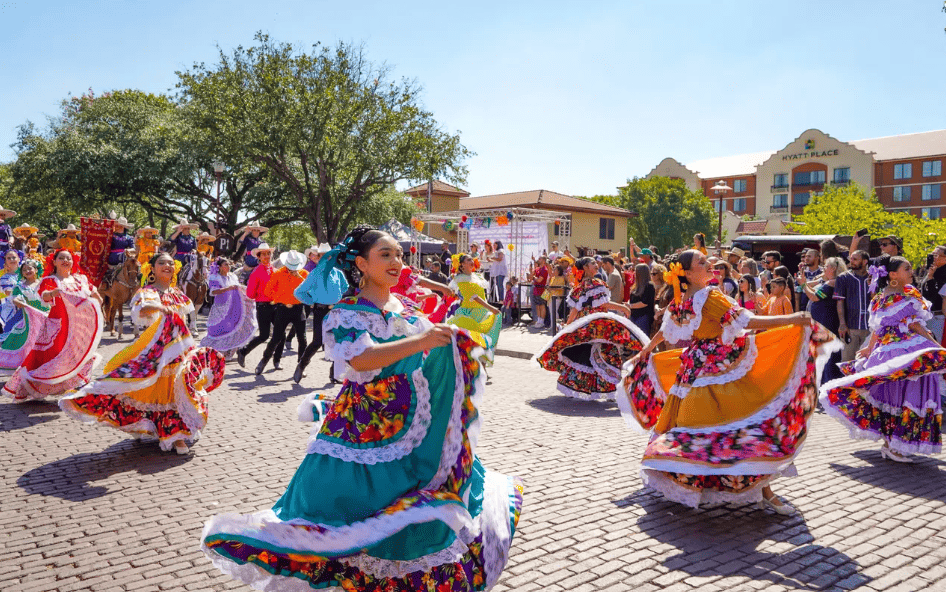
Dance is one of the most colorful and meaningful traditions at Texas festivals. It often gives visitors a direct look at the cultural roots of a community.
At Mexican American festivals, folklórico dancers may perform in bright dresses, embroidered outfits, and traditional shoes. Their dances often represent different regions of Mexico and tell stories through movement, music, and costume.
German and Czech festivals may include polka dancing, waltzes, or folk dance groups. Some events invite visitors to join in, even if they have never learned the steps before. That makes the dance floor both a performance space and a social gathering place.
Native American powwows and cultural festivals may include traditional dances with deep ceremonial meaning. These events often include explanations from organizers or announcers so visitors understand the importance of the songs, clothing, and movements.
Dance keeps heritage visible. It also gives younger generations a way to participate in traditions that might otherwise fade from public life.
Pageants, Queens, and Festival Courts
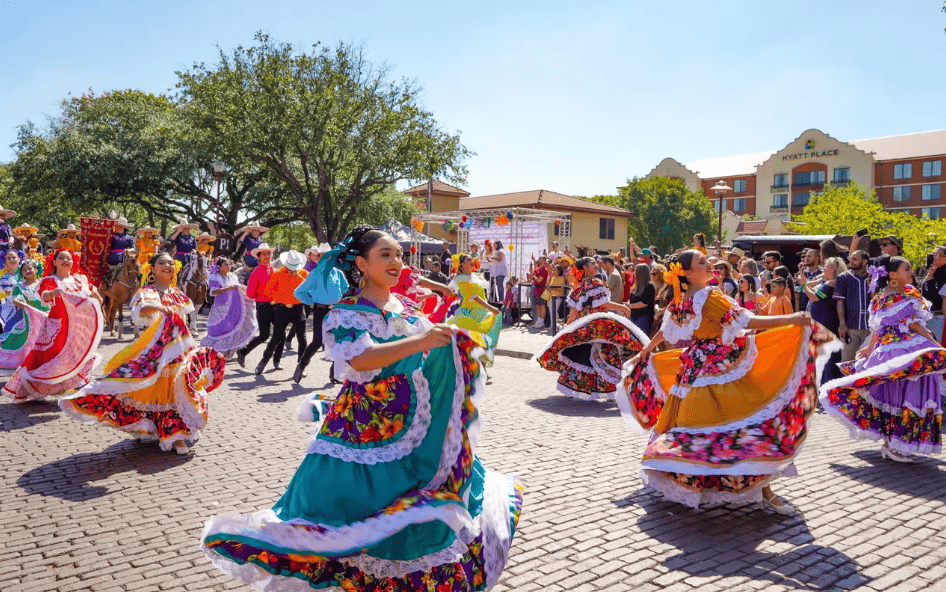
Many Texas festivals include pageants or festival courts. These traditions are especially common in small and mid-sized towns, where local festivals have been held for decades.
A festival queen, king, princess, duchess, or court may represent the event throughout the year. They often appear in parades, attend nearby festivals, welcome visitors, and help promote the community. In some towns, serving on a festival court is considered an honor tied to leadership, scholarship, and public service.
The pageants are not always only about beauty. Many include interviews, essays, talent portions, volunteer work, academic achievement, or knowledge of local history. Some are tied to scholarships, which gives students a practical reason to participate.
Festival courts also add ceremonies. Their formal clothing, decorated floats, and public appearances give the event a sense of tradition and continuity.
Craft Vendors and Handmade Goods
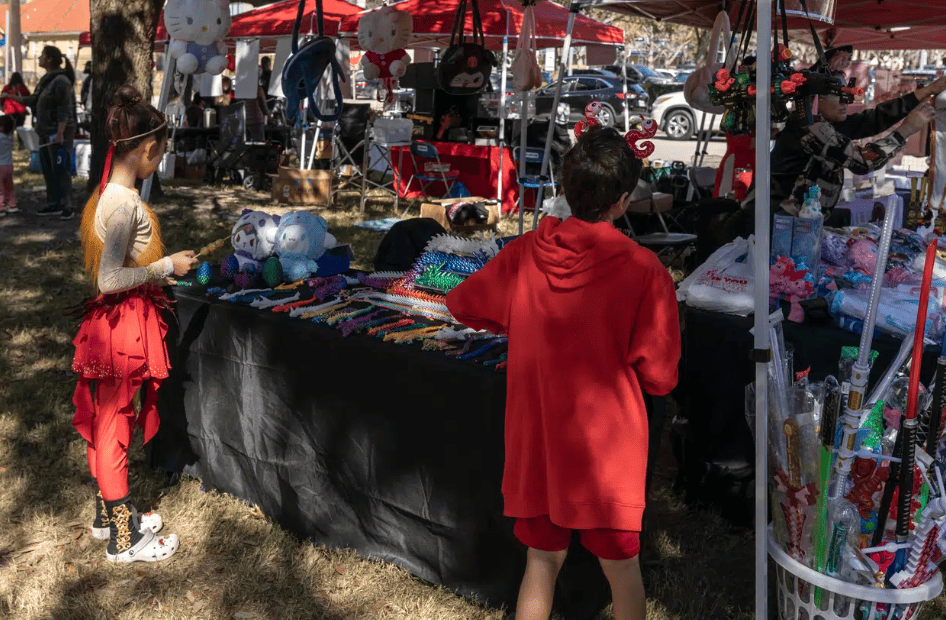
Vendor booths are a major part of Texas festivals. They turn streets, parks, and fairgrounds into temporary marketplaces.
You may find jewelry, pottery, leather goods, candles, quilts, woodwork, paintings, metal art, homemade soaps, embroidered clothing, signs, hats, and seasonal decorations. Some vendors travel from event to event, while others are local artists or hobbyists selling their work to neighbors.
Craft booths help festivals support small businesses. They also give visitors something to take home besides photos and food memories. A handmade item can become a reminder of the town, the event, or the people who made it.
At heritage festivals, crafts may also serve an educational purpose. Demonstrations of weaving, carving, quilting, lace making, or toolmaking can show how earlier generations worked and created useful objects by hand.
Carnival Rides and Family Games
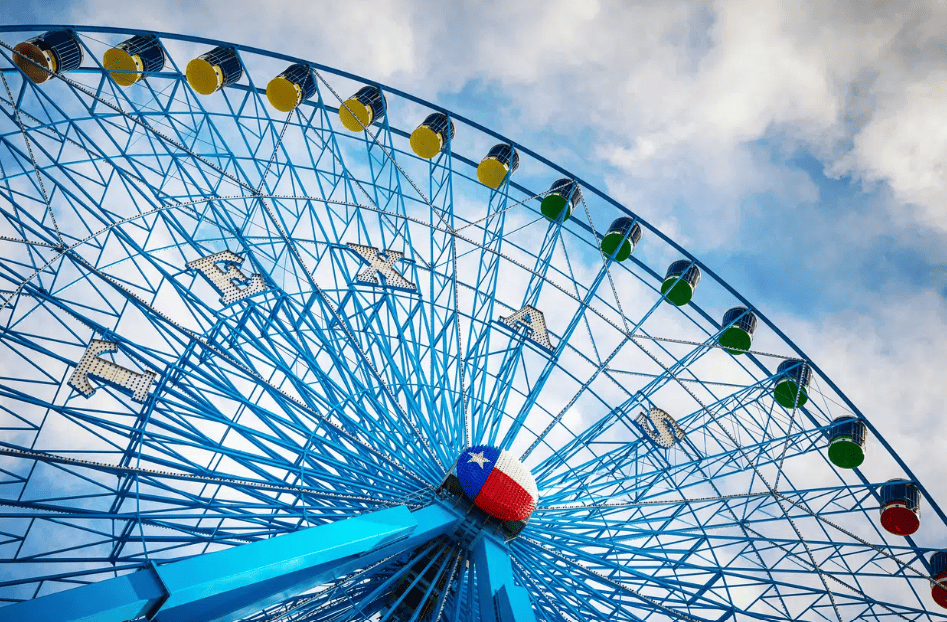
Many Texas festivals include a carnival area, especially events that run several days. Ferris wheels, spinning rides, funhouses, slides, and midway games add energy after dark. The lights, sounds, and smell of popcorn or fried dough create a classic festival atmosphere.
Family games are also common. Children may play ring toss, duck pond, beanbag throws, cake walks, or fishing games. Some festivals include bounce houses, face painting, balloon artists, train rides, or craft tables.
The family focus matters. Texas festivals often aim to serve several generations at once. Grandparents may watch a parade, parents may browse vendors, teens may listen to music, and children may spend time at the carnival. A good festival gives each age group something to enjoy.
Honoring Local History
Many festivals in Texas are tied to local history. Some celebrate the founding of a town. Others honor railroad history, oil booms, ranching heritage, military service, immigration stories, or historic downtown districts.
Historical traditions may include museum tours, walking tours, reenactments, old photographs, storytelling sessions, courthouse displays, cemetery tours, or historic home visits. Local historians, librarians, teachers, and volunteers often help organize these features.
These traditions make festivals more educational. Visitors get to enjoy the food and music, but they also leave with a better understanding of why the community exists and what shaped it.
In Texas, local history is often tied to migration and settlement. German towns in the Hill Country, Czech communities in Central Texas, Mexican American communities along the border and throughout the state, African American freedom celebrations, and ranching towns in West Texas all bring different stories into festival culture.
Seasonal Themes and Harvest Celebrations
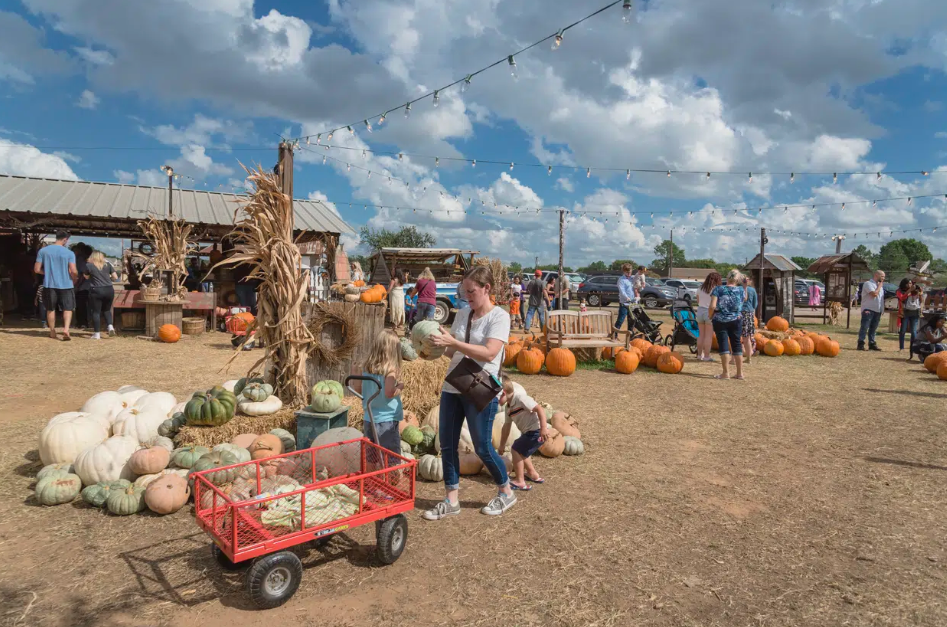
Many Texas festivals follow the calendar. Spring brings wildflower festivals, strawberry events, crawfish boils, and outdoor art fairs. Summer brings Juneteenth celebrations, Fourth of July festivals, watermelon events, and rodeo gatherings. Fall brings Oktoberfests, harvest festivals, pumpkin patches, county fairs, and barbecue events. Winter brings Christmas markets, light festivals, and holiday parades.
Harvest festivals are especially important because they connect communities to the land. Texas towns have celebrated peaches, rice, cotton, pecans, onions, pumpkins, corn, and many other crops. These events often began as ways to honor local farmers and promote regional products.
Even when agriculture is no longer the main economic force in a town, harvest festivals keep that identity alive. They remind visitors that Texas food culture starts long before it reaches a restaurant plate.
Religious and Spiritual Traditions
Some Texas festivals include religious or spiritual traditions, especially in communities where faith organizations play a strong public role. Church bazaars, saint feast days, Easter events, Christmas festivals, and church-sponsored fairs are common across the state.
These festivals may include processions, blessings, choir performances, prayer services, candlelight ceremonies, or special meals prepared by church members. In Catholic communities, feast day celebrations can include music, food, cultural dress, and family activities.
Many church festivals also function as fundraisers. Volunteers cook, sell tickets, run games, organize raffles, and host auctions. These events often draw people beyond the congregation because the food and community atmosphere are so welcoming.
Car Shows, Tractor Displays, and Local Pride
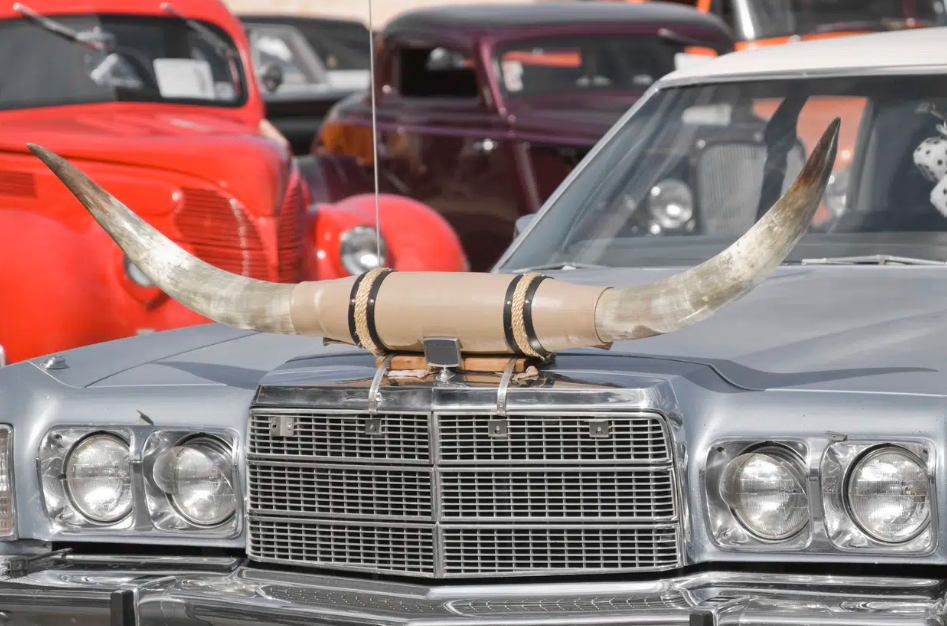
Vehicle displays are another common Texas festival tradition. Classic car shows appear at many small-town festivals, often filling blocked-off streets with polished trucks, hot rods, vintage cars, and custom builds.
In rural areas, tractor shows and antique farm equipment displays may be part of the celebration. These exhibits connect visitors with agricultural history and give older residents a chance to share memories about farming, ranching, and mechanical work.
Cars and tractors may seem simple, but they carry a lot of meaning. They show craftsmanship, family history, restoration skills, and pride in practical machines. They also create an easy gathering spot where people naturally stop, talk, and compare stories.
Competitions, Games, and Quirky Local Events
Texas festivals often include playful competitions that make each event unique. These contests may be serious, silly, or somewhere in between.
You might see washer pitching, horseshoes, arm wrestling, watermelon seed spitting, pie eating, jalapeño eating, dance contests, costume contests, livestock judging, photography contests, quilt shows, or best-decorated-float awards.
Some towns create events tied to their festival theme. A peach festival may hold a peach-eating contest. A seafood festival may include crab races. A Western festival may host boot races or stick horse events for children.
These activities give festivals personality. They also invite visitors to participate instead of only watching from the sidelines.
Fireworks and Evening Celebrations
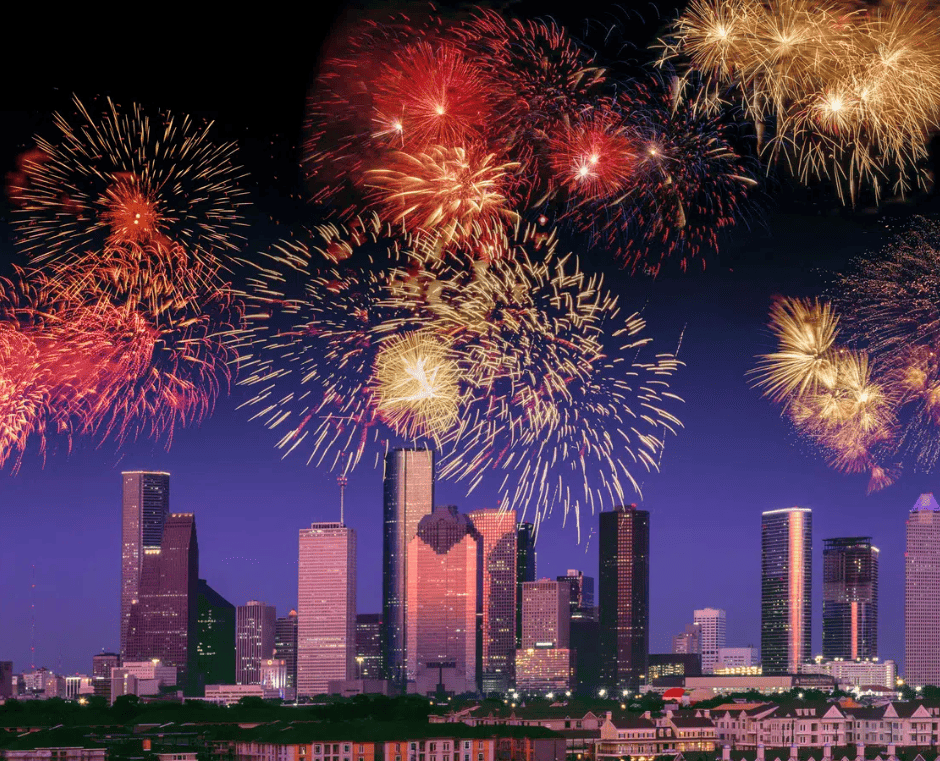
Many Texas festivals end the day with fireworks, especially around Independence Day, New Year’s events, rodeo celebrations, and major town anniversaries. Fireworks give the festival a clear closing moment and bring crowds together after dark.
Evening celebrations may also include street dances, concerts, lantern walks, lighted parades, or courthouse square gatherings. In hot parts of Texas, nighttime events can be especially popular because the temperature becomes more comfortable.
A street dance is one of the most recognizable Texas festival traditions. A band plays outdoors, people dance in boots or sneakers, and the whole setting feels relaxed. It is public, social, and easy for visitors to enjoy.
Why These Traditions Matter
Festival traditions help Texas communities preserve identity while welcoming new people. They make history visible. They support local businesses and civic groups. They give families affordable ways to spend time together. They also create annual routines that people look forward to year after year.
For longtime residents, a festival can feel like a reunion. For visitors, it can be an introduction to a town’s food, music, stories, and sense of humor. For children, it may become one of their first memories of community life.
Texas is large, and no single festival can represent the whole state. Yet the traditions that appear across many events reveal something important. Texans value gathering, storytelling, food, music, competition, heritage, and hospitality. Festivals bring those values into the open.
Final Thoughts
Common festival traditions across Texas are easy to recognize once you know the signs. Look for the morning parade, the food booths, the music stage, the dance performances, the cook-off tents, the craft vendors, the pageant court, the history displays, and the evening crowd waiting for fireworks or one last song.
Each tradition adds a different layer to the experience. Together, they turn a simple weekend event into a celebration of place. That is why festivals remain such an important part of life across Texas. They help communities remember where they came from, enjoy where they are, and welcome anyone ready to pull up a chair and join in.

Comments (0)
No comments yet. Be the first to share your thoughts.
Leave a comment