


Industrial facilities put coatings through punishment that ordinary paint was never built to handle. Constant abrasion, chemical exposure, extreme temperatures, and heavy equipment traffic all take their toll fast. In these settings, the paint you choose is not a cosmetic decision; it is a matter of protection, safety, and long-term cost.
Selecting the right industrial paints for your facility means matching the product to the real conditions it will face. Understanding what separates a quality industrial product from a general-purpose one helps you protect your investment and avoid costly recoating down the line.
Durability Is Everything
The defining feature of a true industrial product is durability. These paints are engineered to resist the wear, impact, and heavy use that would quickly destroy standard coatings.
That toughness translates directly into value. A durable finish protects surfaces for years, reducing the frequency of repainting and the downtime that comes with it. In an industrial setting, every hour a space is out of service is an hour of lost productivity, which makes a longer-lasting coating a genuine operational advantage.
Resistance to Chemicals and Corrosion
Many industrial environments expose surfaces to chemicals, moisture, and corrosive substances. The right paint forms a protective barrier that resists these threats and keeps the underlying material safe.
This protection is critical for both longevity and safety. Quality industrial coatings help prevent the corrosion and degradation that can compromise equipment and structures over time, which is why matching the product to your specific exposures matters so much. A paint that resists one type of chemical may be vulnerable to another, so the exact conditions of your facility should guide the choice.
Understanding the Different Types
Industrial paints are not a single category but a range of specialized products. Epoxy coatings offer excellent adhesion and chemical resistance, polyurethanes add durability and UV stability, and other formulations are designed for specific challenges like high heat or heavy abrasion.
Knowing which type fits your application is essential. The demands of a factory floor differ from those of exposed structural steel or a chemical storage area, and selecting the right formulation for each ensures the coating actually performs. This is where product knowledge pays off, because the wrong choice can fail long before its time.
Performance in Tough Conditions
Industrial spaces often involve temperature extremes, humidity, and constant use. A quality product is formulated to perform reliably under these demanding conditions rather than cracking, peeling, or fading prematurely.
Choosing a paint built for your environment ensures consistent results. Whether the challenge is heat, cold, or heavy traffic, the right formulation holds up where a general-purpose paint would fail, protecting both the surface and the operation that depends on it.
Surface Preparation Is Half the Battle
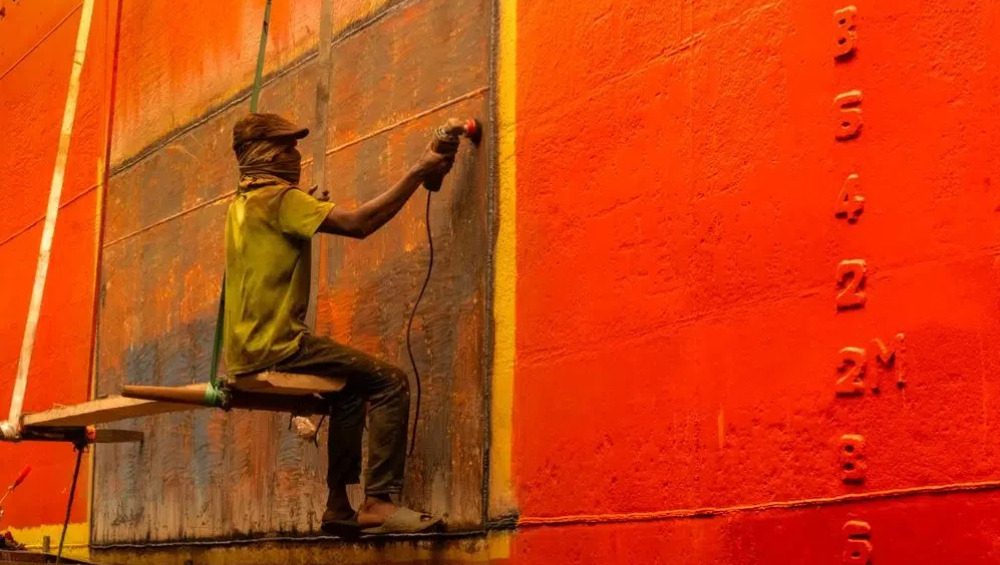
Even the best industrial paint underperforms when applied to a poorly prepared surface. Cleaning, degreasing, and proper profiling all determine how well the coating bonds and how long it lasts.
Skipping or rushing preparation is one of the most common causes of premature failure. A coating applied over contamination or rust will lift and fail regardless of its quality, which is why professionals treat surface prep as seriously as the product itself.
The Value of Expert Support
Selecting the correct industrial product is not always straightforward, since the options vary widely by application. This is where working with a knowledgeable manufacturer makes a real difference.
Expert guidance, accurate color matching, and reliable supply all help keep your projects on track. A supplier that understands the real-world needs of industrial and professional work becomes a genuine partner rather than just a vendor, helping you choose the right product the first time and avoid expensive mistakes.
Comments (0)
No comments yet. Be the first to share your thoughts.
Leave a comment