



You’d find that Charles S. West was a key figure in shaping Texas law. Born in South Carolina, he moved to Austin and started his legal career in 1851. He served as Secretary of State and was appointed to the Texas Supreme Court. His integrity left a lasting impact on Texas’s judicial system. West’s contributions continue to influence the state’s legal traditions and governance. There’s more fascinating history to uncover about his legacy.
Early Life and Education
Charles S. West’s path to becoming a renowned Texas lawyer and politician began in Camden, South Carolina.
You’d find his educational path impressive, as he studied at Jefferson College in Pennsylvania and the College of South Carolina. Under the mentorship of James Chesnut Jr., a prominent attorney, he read law and was admitted to the bar in 1850.
In 1851, West made a crucial move to Texas, settling in Austin. There, he launched his legal practice alongside Henry P. Brewster.
Legal Mentorship and Bar Admission
Under the guidance of the esteemed James Chesnut Jr., Charles S. West developed a solid foundation in law, thanks to impactful legal mentorship. This preparation was key to his bar admission in 1850.
You can imagine the excitement as he began practicing law in Texas in 1851. Partnering with Henry P. Brewster in Austin, West gained invaluable experience, sharpening his legal skills and deepening his understanding of Texas jurisprudence.
His career didn’t stop there. After the Civil War, he resumed practice with Judge John Hancock, further solidifying his reputation.
This legacy of dedication to the law extended to his family, as all three of his sons became attorneys, continuing his tradition of legal excellence in Texas.
Family and Personal Life
Though he was deeply engaged in legal and political matters, Charles S. West prioritized his family life. Born in Camden, South Carolina, he eventually made Texas his permanent home in 1851, where he laid the foundation for his career and family legacy.
In 1859, he married Florence Randolph DuVal, and together they had three sons. Following in their father’s footsteps, each pursued law, reinforcing the West family’s role in Texas legal history.
West’s early education and mentorship under James Chesnut Jr. fostered a lasting respect for the law, a value he instilled in his children.
The West family’s ties—such as their connection to Confederate General Tom Green—reflected their place in the historical fabric of Texas.
Move to Texas and Professional Beginnings
Having built a solid personal foundation, Charles S. West embarked on a pivotal professional chapter by relocating to Texas in 1851.
He quickly became a respected member of the Texas Bar, marking the start of a storied legal career. Partnering with Henry P. Brewster, he established a law firm that became a pillar of Austin’s legal landscape.
You can imagine his determination as he:
- Embarked on a promising legal career
- Forged lasting partnerships
- Contributed to a thriving legal community
- Laid groundwork for political leadership
These formative years weren’t just preparatory—they were key to building a legacy of service and integrity.
Political Career and Legislative Contributions

Charles S. West’s political journey began with his election to the Texas House of Representatives in 1855, where he played a pivotal role in shaping Texas governance.
In 1861, Governor Francis R. Lubbock appointed him Secretary of State of Texas, a post he held during a highly volatile period.
West later served as a delegate to the 1875 Texas Constitutional Convention, helping to restructure the state’s laws in the post-war era.
As one of the six founding directors of the Agricultural and Mechanical College of Texas, now Texas A&M University, his dedication to public education became clear.
His appointment to the Texas Supreme Court in 1882 affirmed his role as a leading figure in the state’s legal system.
Military Service and Civil War Involvement
As a major and Judge Advocate General in the Confederate Army, Charles S. West’s Civil War service was notable. His legal oversight of military trials underscored his commitment to order and discipline during wartime.
You can appreciate his dedication and legal acumen through his role, which shaped his future public service:
- Devotion to duty: West’s alignment with the Confederacy reflected his convictions of the time.
- Legal leadership: As Judge Advocate General, he upheld legal standards within the military.
- Political engagement: His selection as Secretary of State during wartime reflected his political stature.
- Enduring legacy: His postwar judicial service built upon his military-era leadership.
Post-War Legal Practice and Partnerships
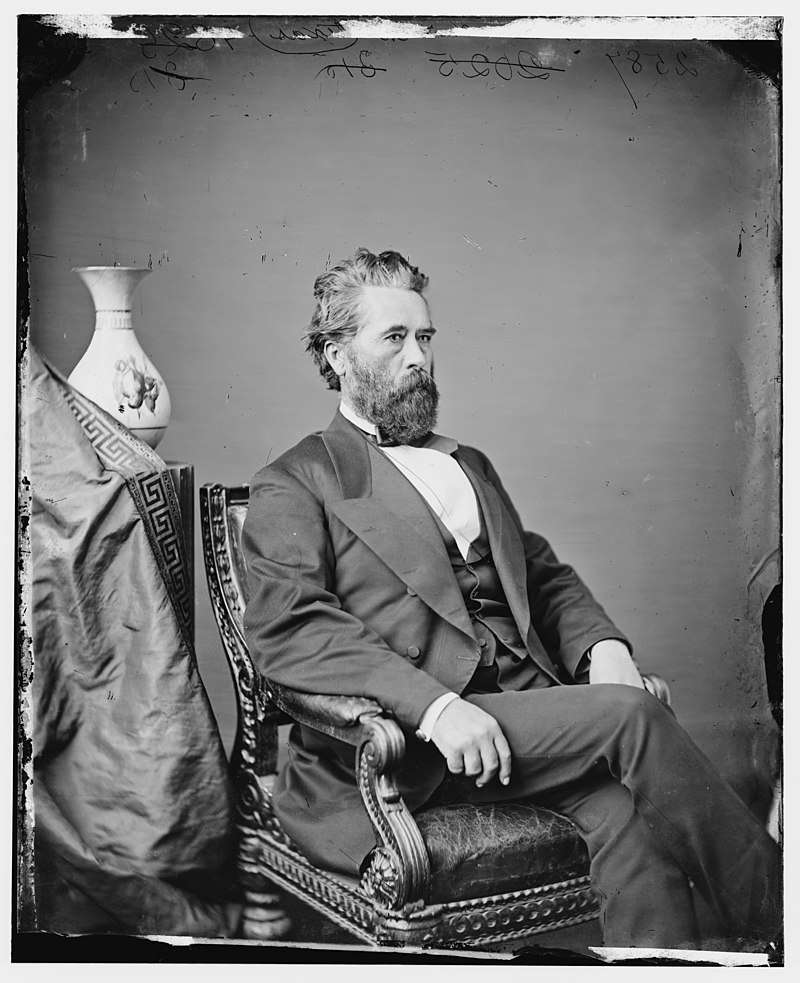
After the Civil War, Charles S. West resumed his legal practice in Austin with integrity and renewed purpose.
He partnered with Judge John Hancock to help reestablish the legal profession in a recovering state. West’s service as a delegate to the 1875 Texas Constitutional Convention was instrumental in reshaping the post-Reconstruction legal framework.
His appointment to the Texas Supreme Court in December 1882 was a capstone achievement. During his tenure, which lasted until September 1885, he participated in landmark decisions that influenced Texas law for generations.
His contributions reflected his enduring commitment to public service and the rule of law.
Contributions to Texas Higher Education
Despite the challenges of the Reconstruction era, Charles S. West made lasting contributions to higher education in Texas. As one of the original directors of the Agricultural and Mechanical College of Texas, he helped establish the infrastructure for what would become Texas A&M University.
His participation in the 1875 Texas Constitutional Convention further demonstrated his dedication to public education, helping lay a strong foundation for the future of learning in the state.
Consider his influence:
- Prioritizing education despite social upheaval
- Influencing educational policy and state support for institutions
- Fostering legal and academic legacies through both law and education
- Inspiring future generations, including his own children, to value education and public service
Judicial Appointments and Supreme Court Tenure
Charles S. West’s appointment to the Texas Supreme Court in December 1882 marked a defining chapter in both his career and the state’s legal evolution.
His service, which lasted until September 1885, was characterized by principled jurisprudence and a dedication to sound legal interpretation. West’s decisions helped shape the direction of Texas law during a formative period in its development.
Before joining the Court, West had already served as Secretary of State of Texas (1861–1862) and played a critical role in the 1875 Constitutional Convention, both of which shaped his legal philosophy.
His judicial service embodied honor, professionalism, and a deep commitment to the people of Texas.
Legacy and Impact on Texas Law
Even as decades pass, the influence of Charles S. West remains deeply embedded in Texas’s legal system. His time as a Texas Supreme Court Justice (1882–1885) helped shape foundational doctrines still referenced today.
You can track his legacy through several lenses:
- Constitutional Contributions: As a delegate to the 1875 Convention, he helped craft Texas’s governing document.
- Postwar Renewal: His return to law after the Civil War helped stabilize Texas’s legal institutions.
- Educational Vision: As a founding director of Texas A&M, he influenced future generations.
- Policy Stewardship: In office as Secretary of State, he guided the state through turbulent political terrain.
Charles S. West’s legacy is one of dedication, intellect, and unshakable public service.

Comments (0)
No comments yet. Be the first to share your thoughts.
Leave a comment