


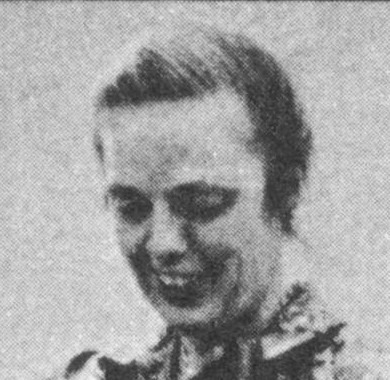
You’ll uncover that Bess Lomax Hawes, born in Austin, Texas, was a renowned folk musician and folklorist dedicated to preserving Texas traditions. Engaged in folk music through her family, she played an essential role in the Almanac Singers and later pioneered new methods of teaching folk music.
Her work at the NEA enhanced folk arts nationwide, creating lasting impact. There’s even more about Bess’s inspiring journey waiting just beyond the horizon.
Early Life and Family Influence
Born on January 21, 1921, in Austin, Texas, Bess Lomax Hawes grew up surrounded by the sounds of folk music and folklore. Her family, deeply involved in these traditions, played a crucial role in shaping her musical path.
John Lomax, her father, was a celebrated folklorist who ensured Bess’s early exposure to American traditions. From her mother, she learned classical piano, while her father introduced her to the guitar and folk music, creating a rich tapestry of musical influences.
The Lomax family often engaged in communal music-making, especially during long car rides, which fostered Bess’s passion for folk music. These experiences deeply influenced her, laying the foundation for her future as a prominent figure in preserving and promoting American folk culture.
Education and Folk Music Beginnings
At just 15 years old, Bess Lomax Hawes commenced her academic path at the University of Texas, diving into the world of folk music alongside her studies.
Her education was intertwined with the rich cultural traditions of folk music, thanks to her father, John Lomax. While at the university, she assisted in compiling Our Singing Country, a book celebrating American traditional songs.
Afterward, she graduated from Bryn Mawr College with a sociology degree in 1941. Her passion for folklore deepened, eventually pursuing a Master’s in folklore at UC Berkeley in the 1970s.
Early on, her involvement with the New York folk scene and the Almanac Singers highlighted her innovative teaching methods that inspired many musicians.
The Almanac Singers and Political Impact
The Almanac Singers, an essential folk group formed in the early 1940s, were a dynamic force in shaping political discourse through music. With members like Woody Guthrie and Pete Seeger, they emphasized audience participation and reminded people of their cultural heritage.
Initially, the Almanac Singers focused on anti-war and pro-labor songs, but after Pearl Harbor, they shifted to pro-war messages, reflecting the evolving political context of the time. This change highlighted the challenges young artists faced in maintaining consistent political stances amidst global conflict.
Bess Lomax Hawes, through her involvement, played a role in the folk music revival. Her co-written “M.T.A. Song,” later popularized by the Kingston Trio, underscored the lasting influence of this group, even as they disbanded during World War II.
Teaching and Academic Contributions
Although Bess Lomax Hawes was primarily known for her musical talents, her creative teaching methods left a lasting impact on folk music education. By developing a group method for teaching guitar, she effectively reached 30–40 students simultaneously, influencing music instruction nationwide.
At UCLA, she taught guitar, banjo, and folk music, inspiring thousands—many of whom became educators themselves. Appointed as an associate professor of anthropology at San Fernando Valley State College in 1968, she built an extensive archive of folk songs with her students.
Her dedication to public folklore was evident as the founding director of the Folk and Traditional Arts Program at the NEA, where she increased funding for folk arts and promoted American traditions and cultural understanding.
Role in Public Folklore and Advocacy
While Bess Lomax Hawes’s influence in public folklore and advocacy is profound, her role as director of the Folk Arts Program at the NEA from 1977 to 1992 marked a transformative period for folk arts in America.
You’d be amazed at how she increased funding from about $100,000 to over $4 million. Her creation of the National Heritage Fellowship in 1982 spotlighted hundreds of traditional artists, ensuring national recognition for cultural bearers.
Under her leadership, state-based folk arts programs were launched in all 50 states and territories, expanding grassroots cultural initiatives.
Hawes also emphasized inclusivity, advocating tirelessly for underrepresented communities. Her work in public folklore and her dedication to preserving American and Texan traditions left an indelible mark on national cultural heritage.
Legacy in Folk Music Preservation
As you explore Bess Lomax Hawes’s enduring legacy in folk music preservation, consider how her visionary efforts at the National Endowment for the Arts transformed the landscape of American folk traditions.
She increased funding from $100,000 to over $4 million, demonstrating a firm commitment to supporting and sustaining cultural heritage. By launching the National Heritage Fellowship, she provided essential support to folk artists and tradition bearers.
Her involvement in the Smithsonian Bicentennial Folklife Festival helped foster a vibrant network of cultural advocates and highlighted grassroots traditions on a national stage.
As an educator, she developed creative group instruction methods, inspiring new generations of folk musicians.
Furthermore, her focus on African American folk traditions significantly contributed to their visibility and preservation in national archives and scholarship.
Publications and Film Contributions
Bess Lomax Hawes’s passion for folk music preservation didn’t stop at funding and festivals; she also made significant contributions through her writings and films.
She co-authored Step It Down in 1972 with Bessie Jones, documenting African American heritage and oral traditions from the Georgia Sea Islands. Her memoir, Sing It Pretty, published posthumously in 2008, offers insights into her life in folk music and public service.
Collaborating with Alan Lomax, she contributed to the children’s book There’s a Brown Girl in the Ring in 1997, blending educational storytelling with cultural history.
At San Fernando Valley State College, she helped produce documentary films like The Georgia Sea Island Singers, which spotlighted traditional African American music.
Her dedication extended to the Smithsonian Folklife Festival, where she helped organize events during the 1976 Bicentennial celebration, elevating diverse folk traditions to national prominence.

Comments (0)
No comments yet. Be the first to share your thoughts.
Leave a comment