


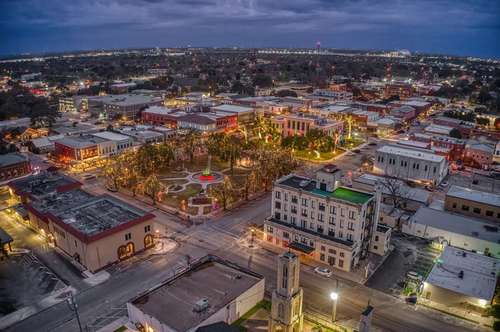
Texas is often described through its highways, skylines, and wide landscapes, yet some of the most meaningful places in the state are far smaller in scale. Town squares sit at the heart of hundreds of Texas communities. They are places where history, daily life, and local identity meet. Many were laid out more than a century ago, and they continue to shape how towns function today.
This article takes a detailed look at some of the most beautiful town squares in Texas. Beauty here is not limited to architecture alone. It also includes atmosphere, walkability, preservation, and the way each square continues to serve its community. Together, these squares tell a broader story about Texas itself.
Why Town Squares Matter in Texas
Town squares in Texas grew from practical needs. Early settlers needed a central location for courts, markets, and public meetings. Over time, these places became symbols of stability and pride. Courthouses often anchored the square, surrounded by businesses that supported daily life.
Unlike modern shopping centers, town squares were built for people, not traffic. They encourage walking, conversation, and shared experiences. Even today, many Texas towns rely on their squares for festivals, elections, parades, and weekend gatherings.
A beautiful town square usually has a strong sense of place. It feels connected to the town’s past while remaining active in the present. That balance is what makes these squares enduring.
Georgetown Square, Georgetown
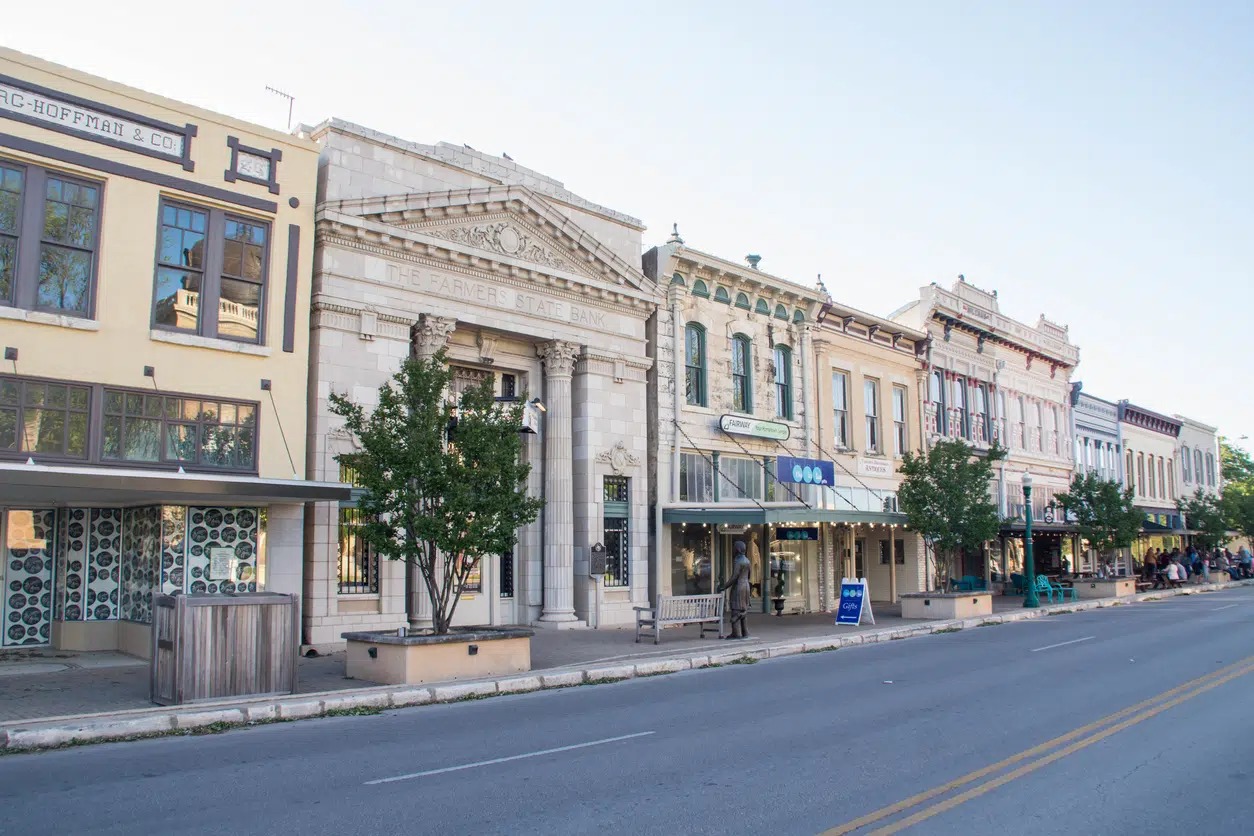
Georgetown Square is often cited as one of the finest examples of a preserved Texas town square. The Williamson County Courthouse sits at the center, built of limestone with a distinctive Romanesque Revival design. Its clock tower rises above red brick streets that circle the square.
What makes Georgetown stand out is consistency. The surrounding buildings share similar materials, heights, and proportions. This creates a unified visual experience that feels intentional rather than accidental. Many storefronts date back to the late 1800s and early 1900s, yet they house modern businesses.
The square is active throughout the year. Farmers markets, concerts, art fairs, and holiday celebrations keep the area lively. Outdoor seating and shaded sidewalks invite people to linger. Georgetown shows how careful preservation can support economic life without sacrificing character.
Fredericksburg Marktplatz, Fredericksburg
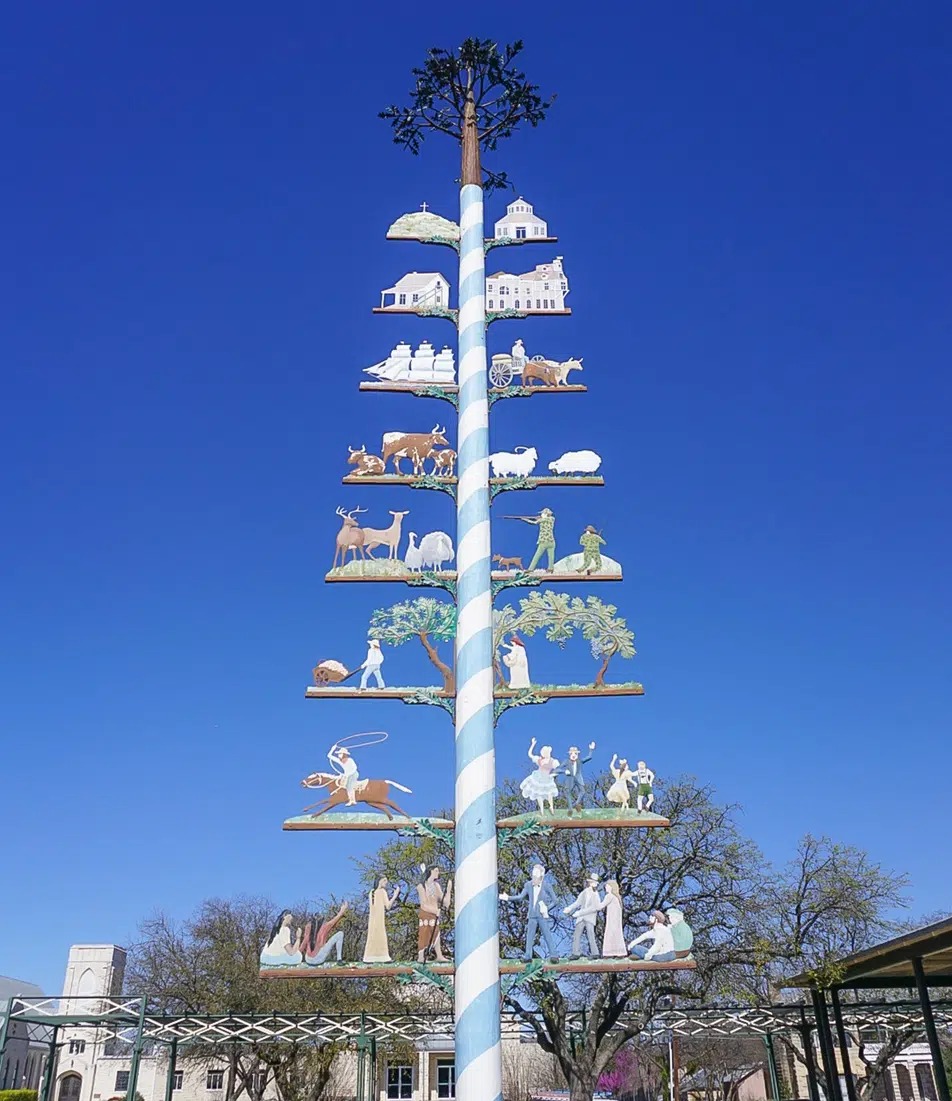
Fredericksburg’s Marktplatz reflects the town’s German heritage and Hill Country setting. Unlike courthouse-centered squares, this space was originally designed as a communal gathering area. The open green space, gazebo, and mature trees give it a calm and welcoming feel.
Stone buildings nearby reflect German construction traditions. The scale is modest, which keeps the square approachable. Instead of towering structures, visitors find bakeries, small shops, museums, and wine tasting rooms within walking distance.
The Marktplatz is used for concerts, seasonal festivals, and local markets. It also functions as a quiet resting spot during the day. Fredericksburg’s square works because it respects the town’s cultural roots while supporting modern tourism and local life.
Granbury Historic Square, Granbury
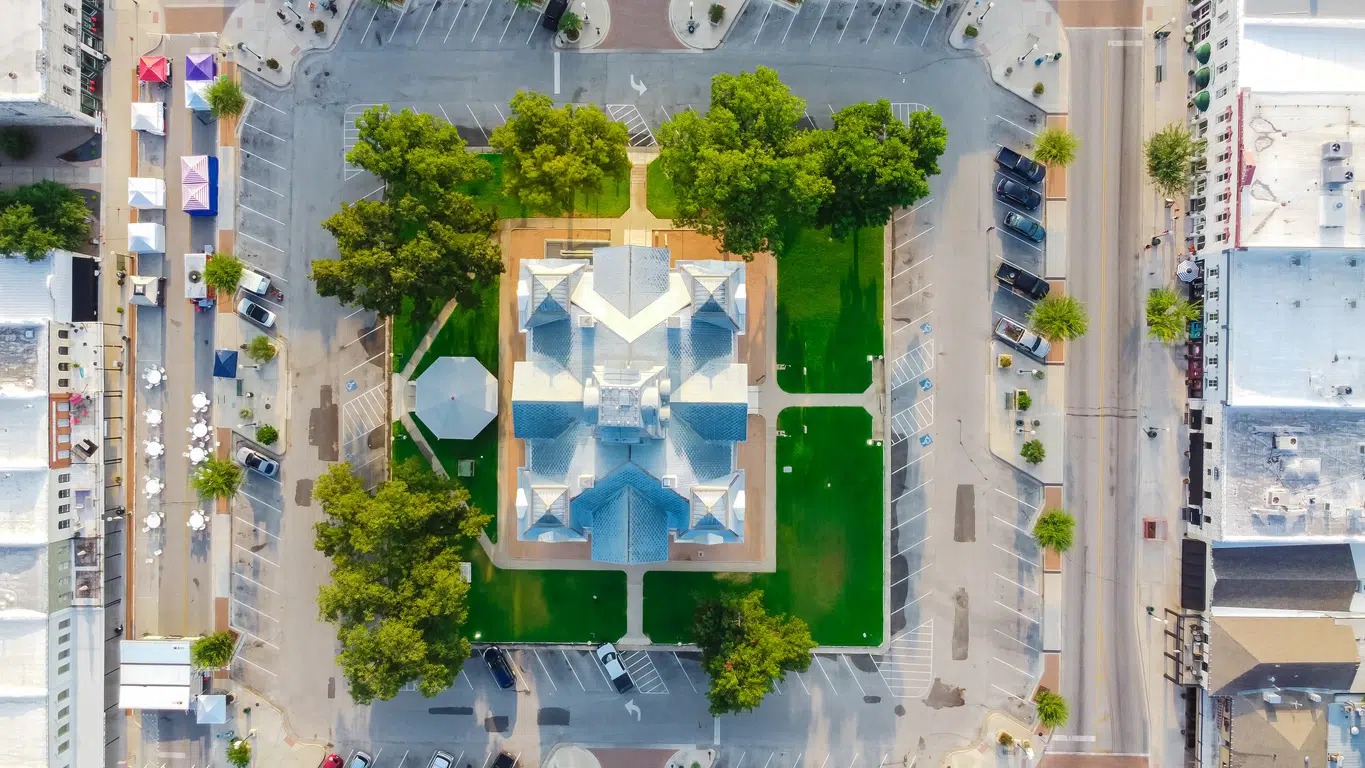
Granbury’s town square blends strong architecture with an active event calendar. The Hood County Courthouse dominates the center, featuring a clock tower and ornate stonework. Surrounding streets are lined with historic buildings that now serve as shops, cafes, and performance spaces.
The square feels lively without being overwhelming. Horse-drawn carriage rides add a nostalgic touch, while live music and festivals keep the area current. The nearby opera house and theater strengthen Granbury’s reputation as a cultural destination.
Granbury also benefits from its proximity to Lake Granbury. Visitors can combine time at the square with outdoor recreation, making it a well-rounded stop for travelers.
Wimberley Town Square, Wimberley
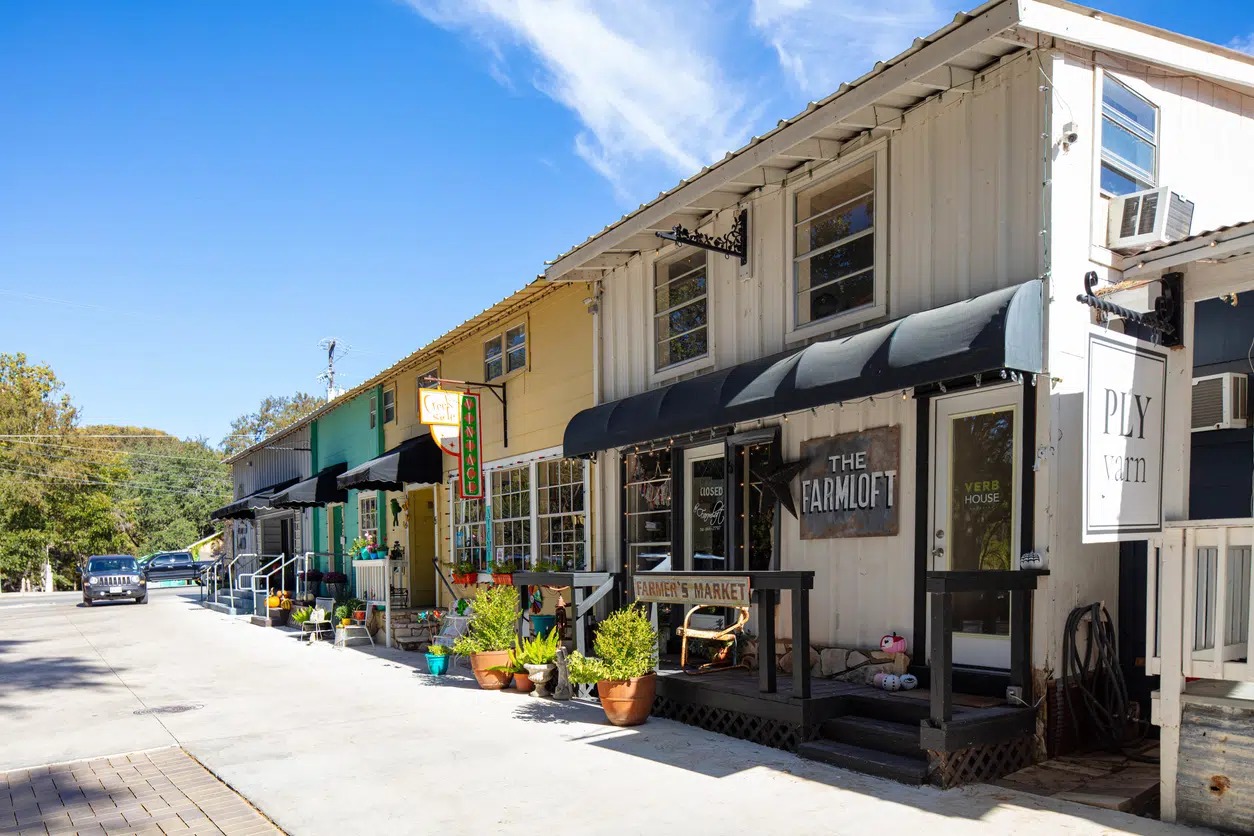
Wimberley’s square is smaller than many others, yet its charm lies in intimacy. Located in the Texas Hill Country, the square reflects the town’s artistic and creative spirit. Art galleries, craft shops, and locally owned stores dominate the area.
The square is designed for wandering rather than spectacle. Benches, shaded walkways, and small courtyards invite slow exploration. Weekly markets and seasonal events highlight local artists and farmers.
Wimberley’s square feels personal. It functions less as a tourist landmark and more as a shared living space. That quality gives it lasting appeal.
Marfa Town Square, Marfa
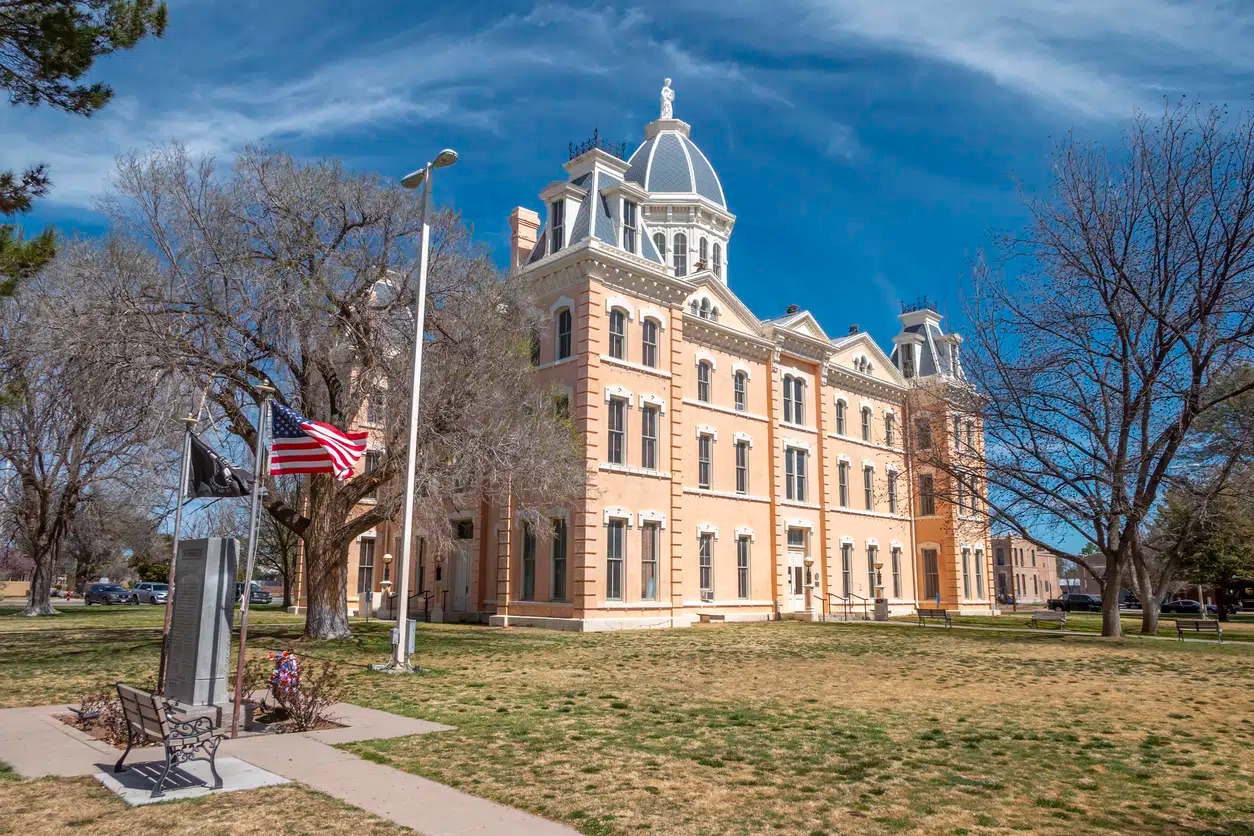
Marfa’s square stands apart from most Texas town squares. It is defined by simplicity and openness rather than decorative detail. The Presidio County Courthouse anchors the space, its pale color contrasting with the desert surroundings.
Marfa’s appeal lies in the atmosphere. The square feels quiet, spacious, and intentional. Art galleries, minimalist shops, and cafes surround the area, reflecting the town’s international art reputation.
Rather than constant activity, Marfa offers moments of stillness. The square becomes a place for reflection, conversation, and observation. It proves that beauty does not require grandeur.
Seguin Town Square, Seguin
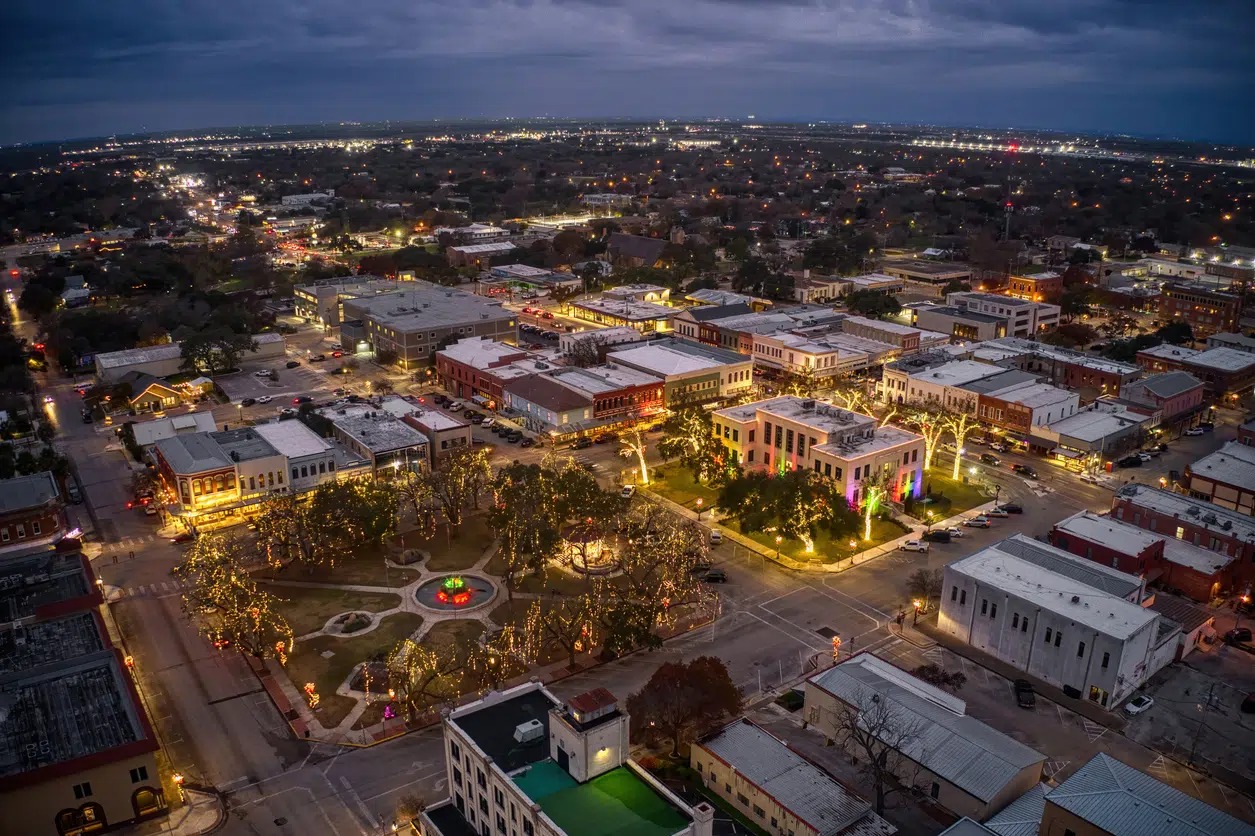
Seguin’s square centers on the Guadalupe County Courthouse, built with local limestone and classical features. The building’s presence gives the square a formal yet welcoming tone.
The surrounding area includes restaurants, retail shops, and civic offices. Regular events such as markets and concerts keep the square active. Its location near larger cities allows it to serve both residents and visitors.
Seguin’s square balances daily function with visual interest. It feels like a working center of town rather than a preserved exhibit.
Lampasas Courthouse Square, Lampasas
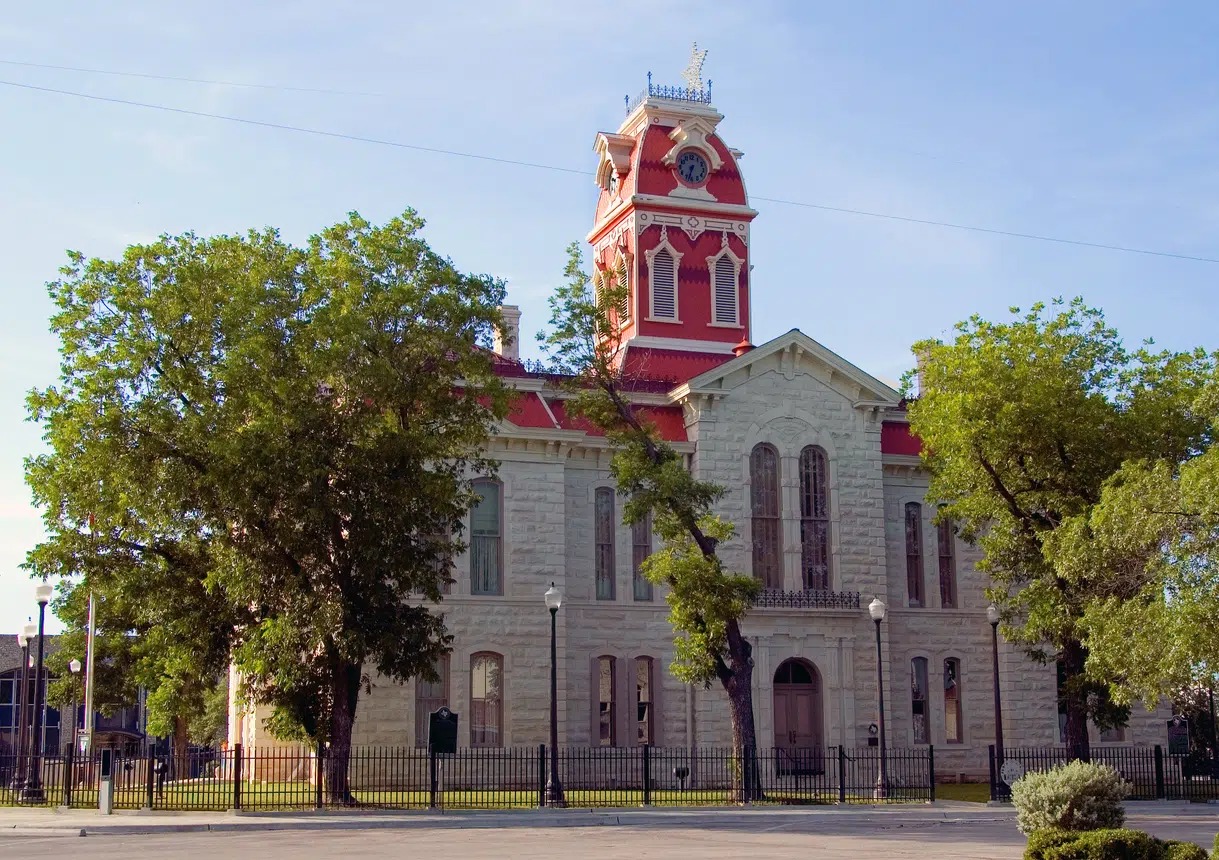
Lampasas features one of Central Texas’s most striking courthouses. Positioned on elevated ground, the building overlooks the square and surrounding streets. Wide steps and open lawns enhance its visibility.
The square itself supports a mix of businesses and public events. Seasonal festivals and holiday gatherings bring residents together. Lampasas also has historical ties to mineral springs, adding depth to its identity.
The square feels proud and grounded. Its design encourages people to look up, slow down, and engage with the space.
Marshall Historic Square, Marshall
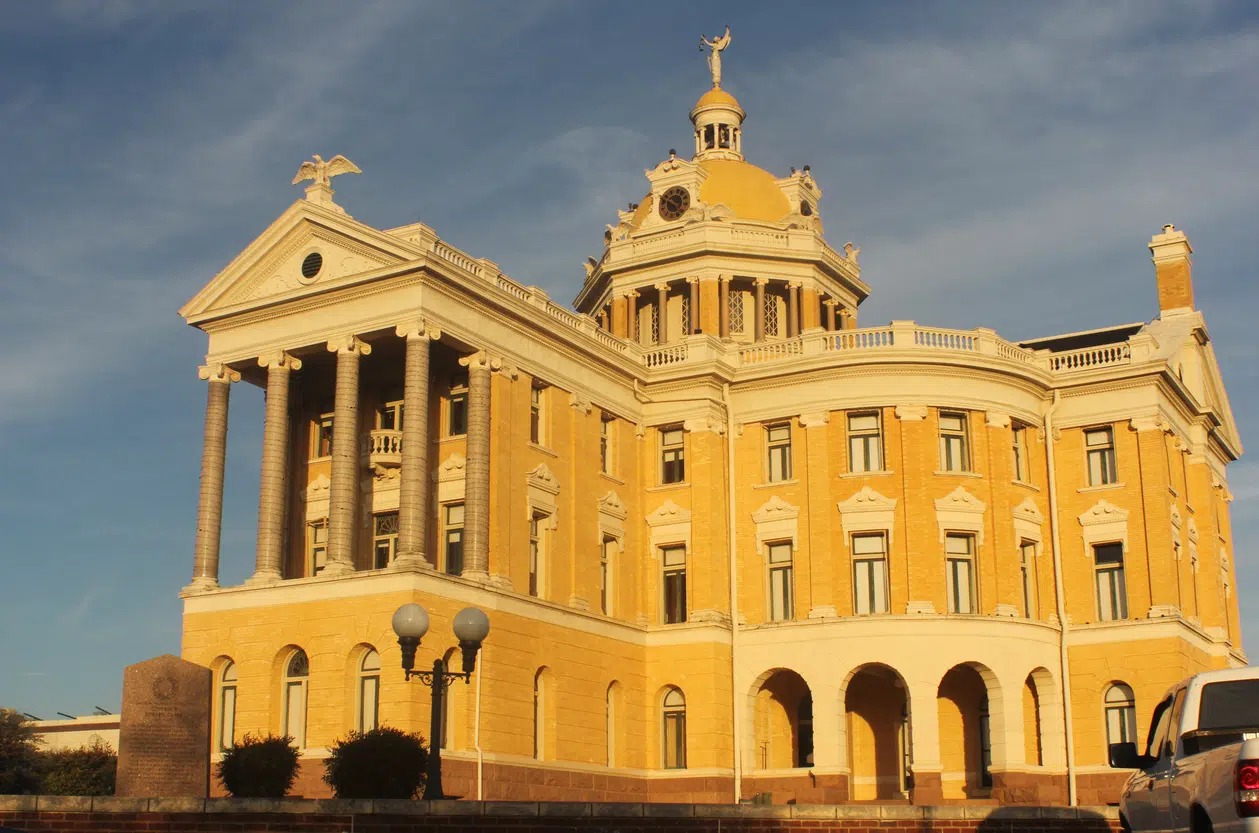
Marshall’s square reflects East Texas architecture and cultural life. The Harrison County Courthouse is a prominent feature, surrounded by well-preserved buildings that house shops, restaurants, and cultural institutions.
Marshall has a strong arts presence, with theaters and music venues nearby. The square often serves as a focal point for festivals and celebrations. Its layout encourages exploration beyond the immediate center.
The square connects history with creativity, making it one of East Texas’s most engaging public spaces.
Burnet City Square, Burnet
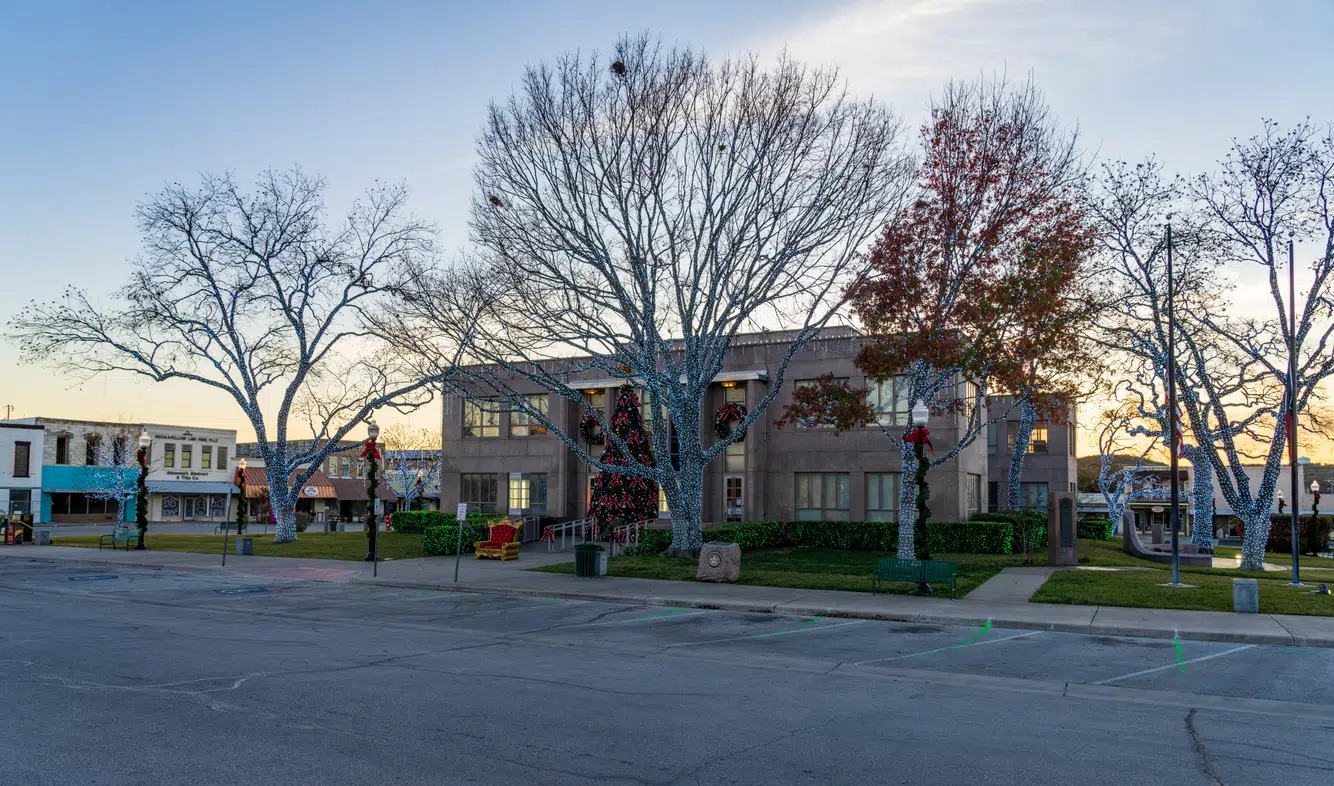
Burnet’s square is simple, practical, and welcoming. The Burnet County Courthouse anchors the center, surrounded by wide sidewalks and local businesses.
Burnet is known for its spring wildflowers, and the square becomes a gathering place during peak bloom season. Shops and cafes cater to visitors while serving residents year-round.
The square reflects everyday life. It is not designed to impress at first glance, yet it grows on visitors through use and familiarity.
Luling City Square, Luling
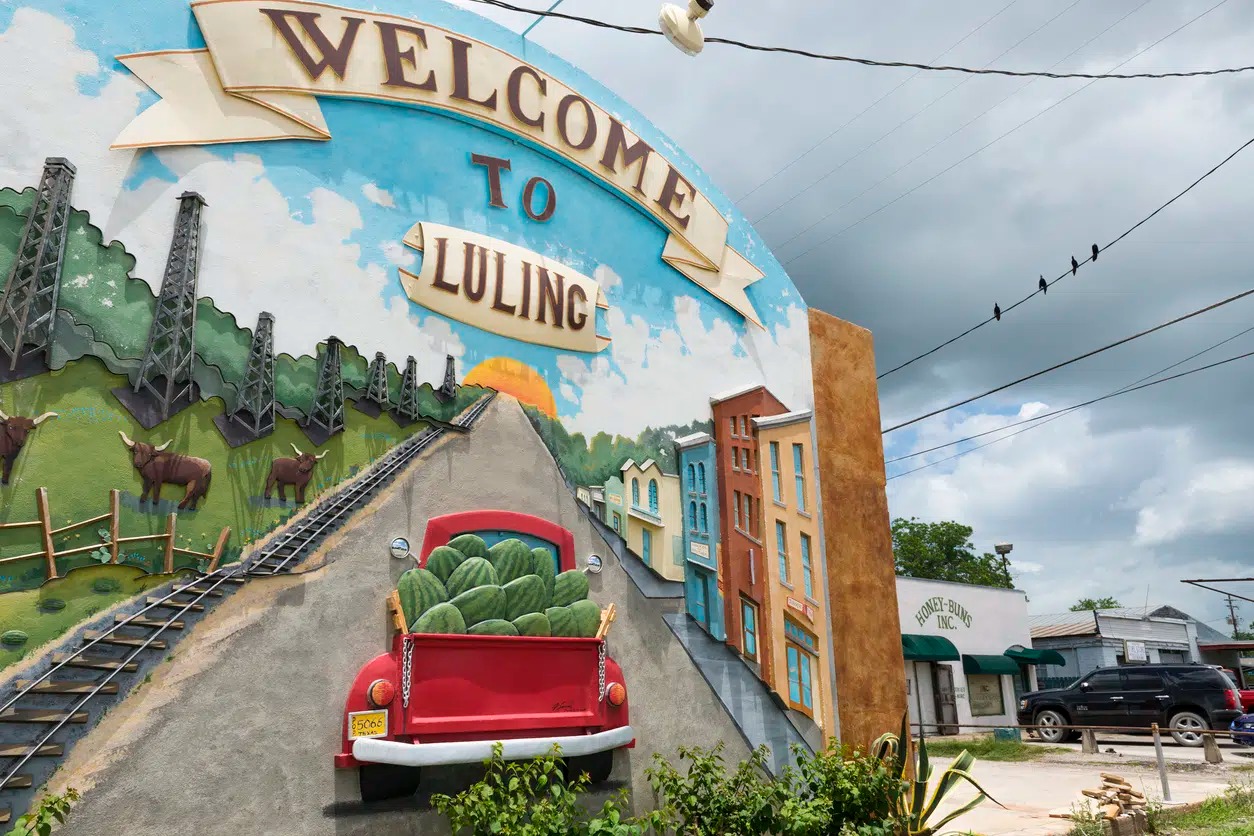
Luling’s square carries the marks of its agricultural and industrial history. Brick storefronts and classic facades surround the courthouse area. The square becomes especially lively during the annual Watermelon Thump festival.
Outside of festival season, the square remains a local hub. Restaurants and shops reflect the town’s identity. The space feels authentic and rooted in working Texas traditions.
Luling shows how a square can remain practical while still hosting large community events.
Kilgore Town Square, Kilgore
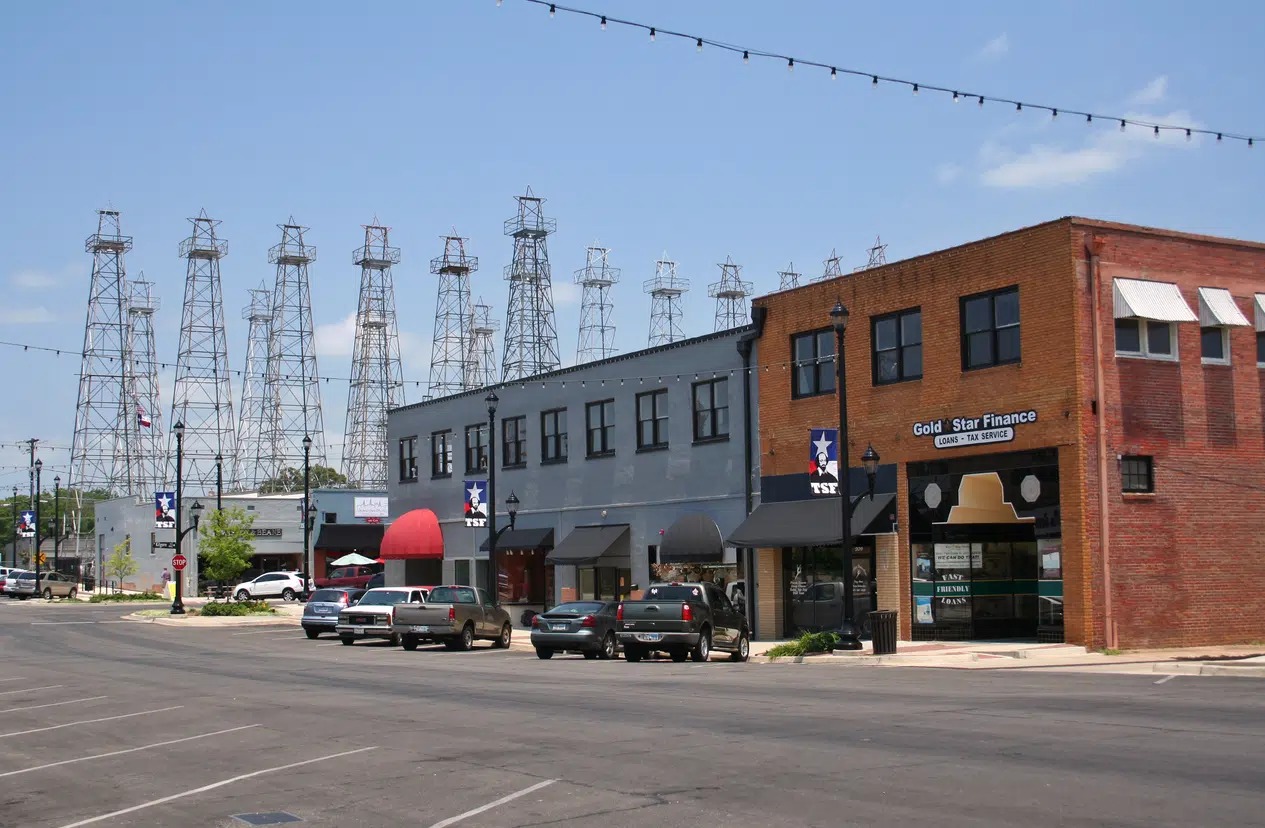
Kilgore’s square reflects the town’s oil boom history. The Gregg County Courthouse stands at the center, with nearby buildings connected to Kilgore’s past growth.
The East Texas Oil Museum sits close to the square, offering context for the town’s development. Events and gatherings keep the area active.
Kilgore’s square is a reminder that beauty can come from history and storytelling as much as design.
Crockett Square, Crockett
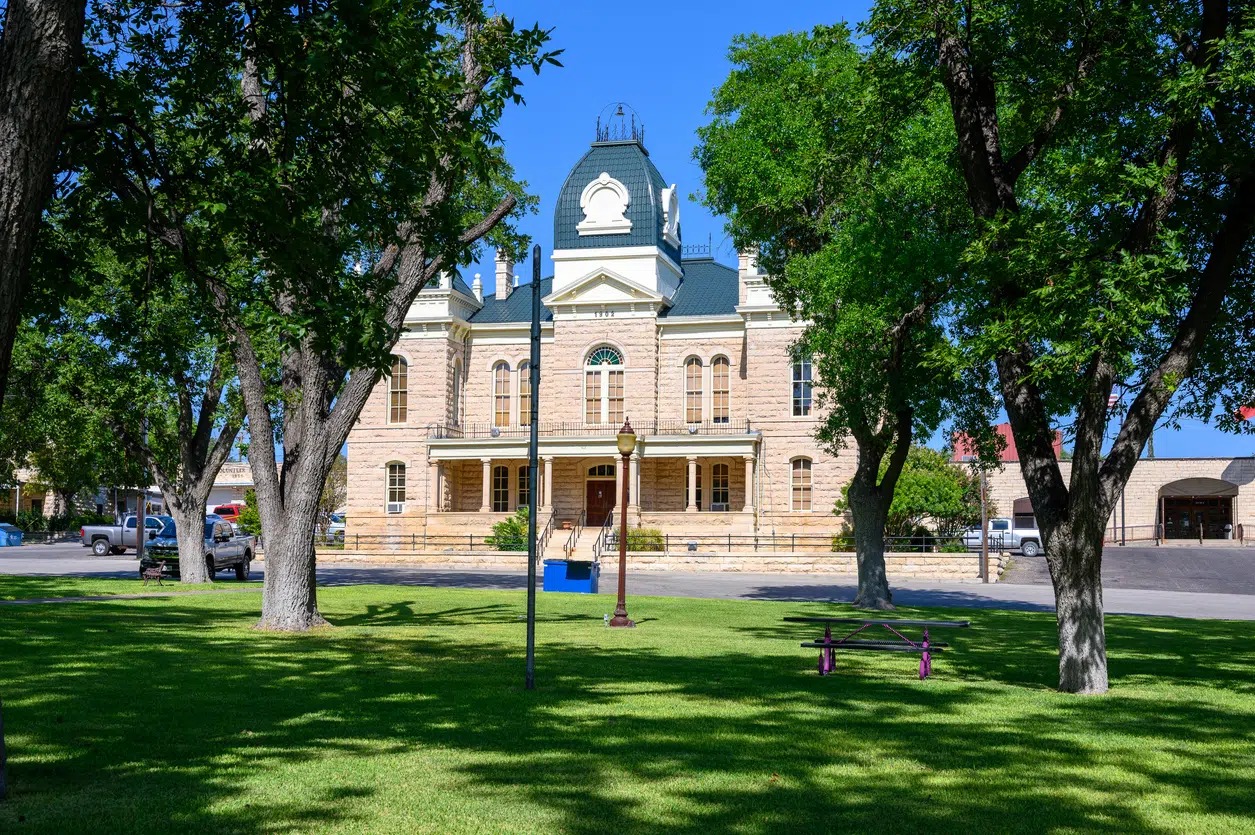
Crockett’s square honors East Texas tradition. The Houston County Courthouse anchors the space, surrounded by trees and classic storefronts.
The square is quieter than many others. It functions as a civic center and a place for reflection. Antique shops and local businesses contribute to its charm.
Crockett’s square appeals to visitors seeking calm and connection to early Texas history.
Hondo Town Square, Hondo
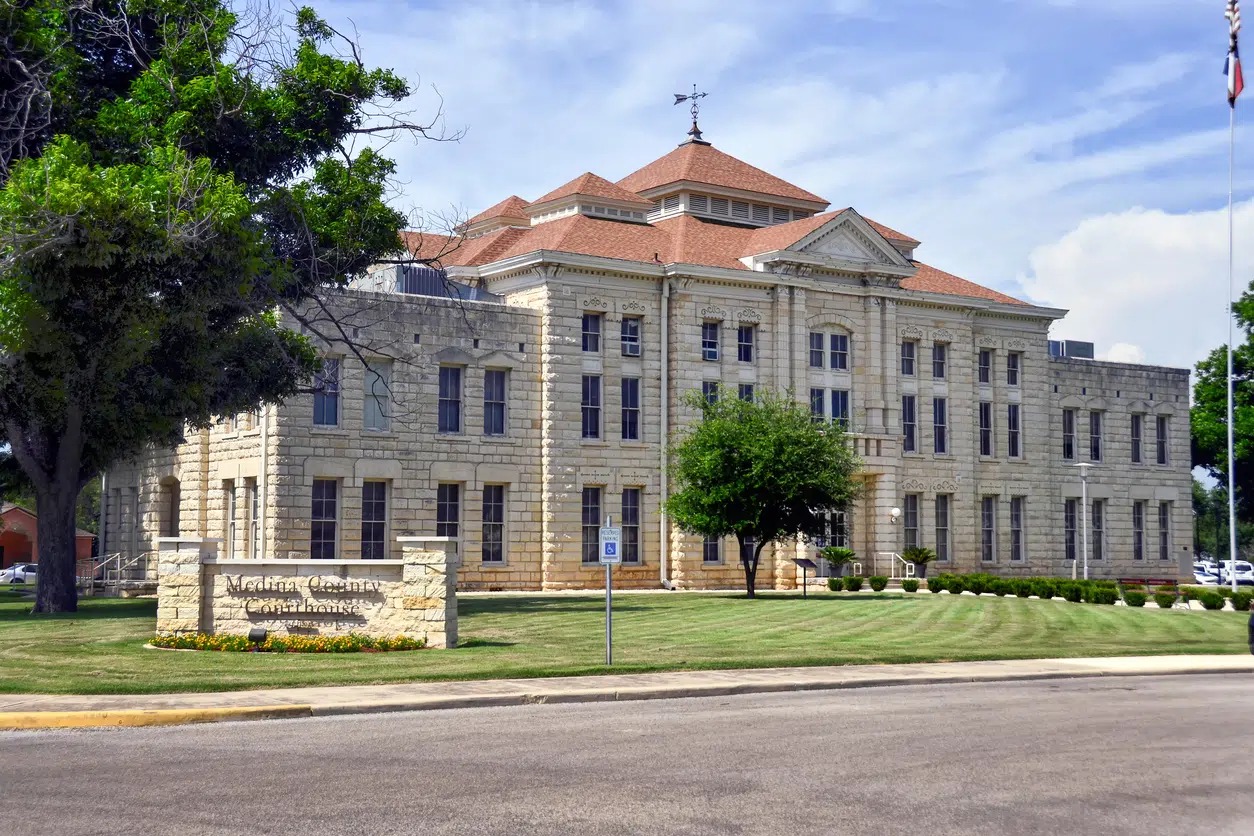
Hondo’s square centers on the Medina County Courthouse. The design is modest, with brick construction and open surroundings.
The square supports festivals, markets, and local gatherings. Businesses around the square reflect everyday needs rather than tourism.
Hondo demonstrates how a square can remain essential to daily life while still offering visual interest.
What Makes These Squares Beautiful
Across Texas, beautiful town squares share certain qualities. They are walkable and human-scaled. Buildings are preserved rather than replaced. Public spaces are used rather than fenced off.
These squares succeed because they remain useful. They are not frozen in time. They evolve with their communities while honoring their origins.
Visiting Texas Town Squares Today
Travelers exploring Texas often focus on major cities or natural landmarks. Town squares offer a different experience. They provide insight into local culture, values, and history.
A visit to a town square can include shopping, dining, learning, or simply sitting and watching life unfold. Many squares are within short drives of one another, especially in the Hill Country and Central Texas.
Planning visits around local events adds depth to the experience. Markets, concerts, and festivals reveal how these spaces function beyond their appearance.
Final Thoughts
Texas town squares are living spaces. They reflect the state’s diversity, history, and community spirit. Each square tells a story shaped by geography, economy, and people.
Beauty in these squares comes from balance. Old and new coexist. Public and private spaces overlap. Visitors and residents share the same ground.
Exploring Texas town squares offers a way to understand the state at a human level. These places may be small, yet they hold generations of memory and daily life. At the center of it all, they continue to define what it means to belong to a Texas town.

Comments (0)
No comments yet. Be the first to share your thoughts.
Leave a comment