


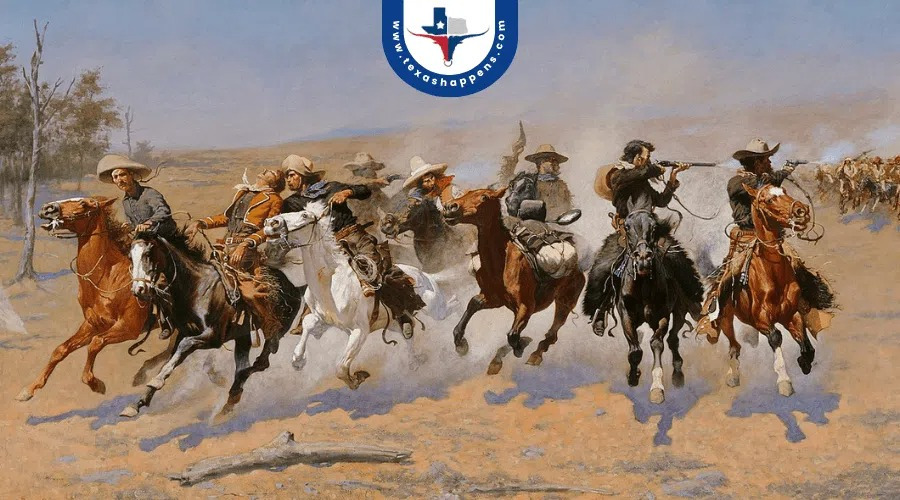
The Apache Wars in Texas (circa 1000–1880s) featured legendary leaders like Victorio and Geronimo, who masterfully employed guerrilla tactics against U.S. forces. You’ll find the Buffalo Soldiers of the 9th and 10th Cavalry regiments struggled against Apache mobility and stealth across West Texas battlegrounds like Hueco Tanks.
These conflicts ended with the Battle of Tres Castillos, but left an enduring legacy on military tactics and modern Texas development. The full story reveals even more fascinating strategic innovations.
Origins and Territorial Claims of the Apache in Texas
The Apache peoples carved out a vast territorial domain spanning from the Arkansas River to Northern Mexico and from Central Texas to Arizona, establishing themselves as formidable inhabitants of the Southwest. They arrived between A.D. 1000 and 1400, migrating along the eastern Rocky Mountains before pressure from the Comanches forced them southward.
The Rio Grande divided Apache groups into Eastern and Western branches, with the Lipans and Mescaleros settling partially or entirely within Texas. These tribes adapted their nomadic lifestyle to the harsh terrain, incorporating horses, which revolutionized their buffalo hunting and defensive capabilities.
Texas became an essential territory for the Apache, particularly after their displacement from traditional lands. The Lipans and Mescaleros found refuge in Central Texas and northern Mexico, creating new strongholds from which they maintained their cultural identity despite increasing pressures.
Their presence in the region created tensions with Spanish missions established throughout Texas that were intended to convert and control indigenous populations.
Victorio’s Campaign and Military Strategy in West Texas
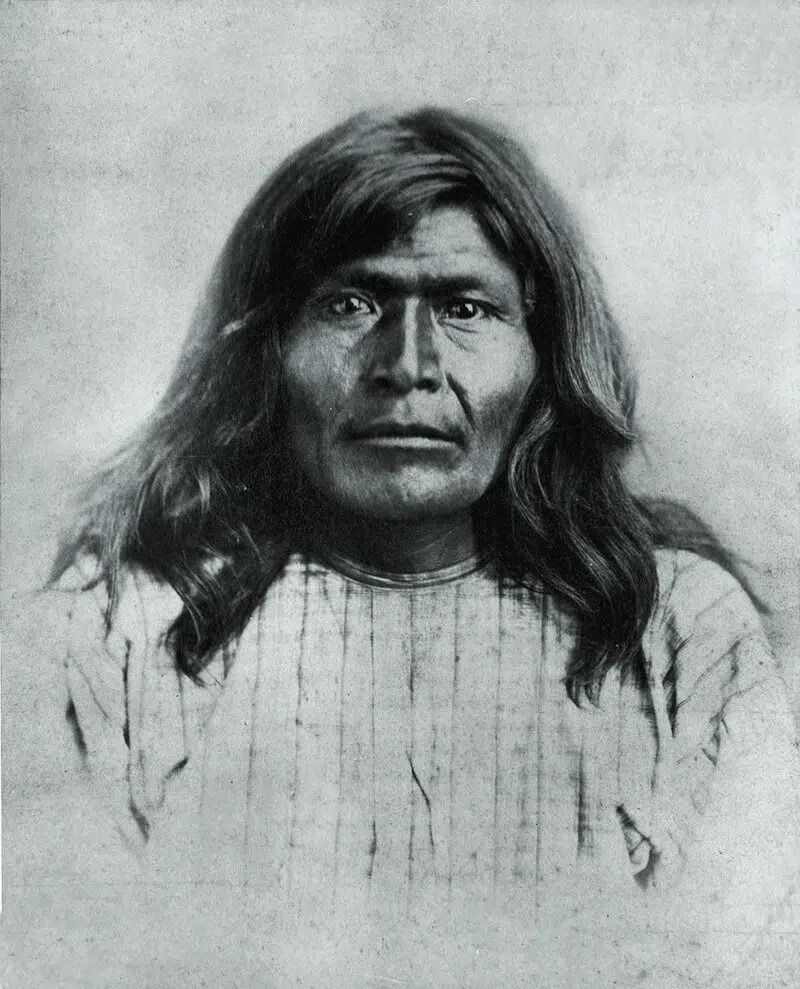
Among the most formidable Apache military leaders, Victorio emerged as a strategic mastermind during his 1879–1880 guerrilla campaign across West Texas. Commanding about 300 Chihenne (Eastern Chiricahua) and Mescalero Apaches, he executed raids between Fort Davis and El Paso that demonstrated his tactical brilliance—a skill even U.S. Army officers acknowledged.
Victorio’s guerrilla warfare techniques proved especially effective against the Ninth and Tenth U.S. Cavalry regiments, whose Black soldiers struggled to capture his highly mobile band. Despite their persistent pursuit, Victorio consistently outmaneuvered military forces through strategic ambushes and swift withdrawals.
His two-year campaign came to a brutal end in October 1880 at Tres Castillos, where Mexican forces led by Colonel Joaquín Terrazas and Juan Mata Ortiz cornered and massacred his group.
This defeat marked the beginning of the Apache Wars’ final chapter. His campaigns often targeted areas near Fort Davis, which had been established in 1854 specifically to defend settlers against raids from Kiowa and Comanche tribes.
The Buffalo Soldiers vs. Apache Warriors: Tactics and Encounters
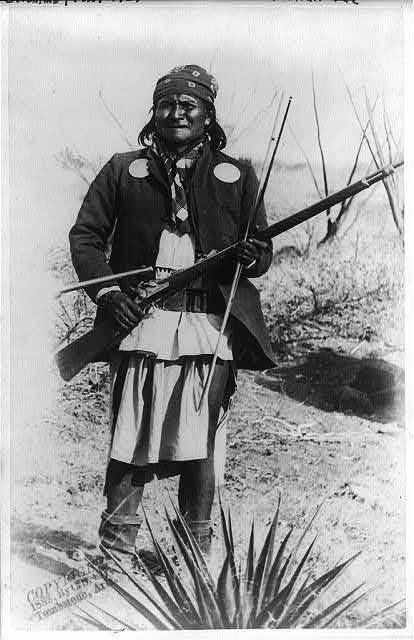
Why were the Buffalo Soldiers, despite their military training and cavalry experience, often outmaneuvered by Apache warriors in the harsh Texas borderlands? The answer lies in the contrasting tactical approaches. Apache warriors mastered mobility, stealth, and guerrilla warfare, utilizing intimate knowledge of Texas terrain to their advantage. The Buffalo Soldiers, trained in conventional cavalry tactics, struggled against these methods.
This dynamic played out dramatically at Hueco Tanks, where Apache forces engaged the 9th and 10th Cavalry regiments in fierce combat. Throughout the wars, Apache leaders like Geronimo repeatedly evaded capture through superior ambush techniques and strategic retreats.
Despite these challenges, the Buffalo Soldiers demonstrated remarkable bravery and resilience, gradually adapting their approach to the unique demands of frontier warfare. Apache Chief Geronimo would later be detained at Fort Sam Houston after witnessing firsthand the effectiveness of the Buffalo Soldiers during numerous encounters.
The Mescalero and Lipan Apache Resistance in the Texas Borderlands
Fierce and determined, Mescalero and Lipan Apache tribes stood out as formidable adversaries in the Texas borderlands throughout the 19th century. Led by legendary war chiefs like Quanah Parker and Victorio, they defended their ancestral lands through strategic raids and ambushes against encroaching settlers.
You’ll find their resistance characterized by:
- Masterful guerrilla warfare tactics that confounded U.S. Army campaigns for decades
- Tragic betrayal when the military employed Apache scouts against their own people
- Unwavering determination to preserve their cultural identity despite overwhelming odds
The conflict ultimately ended with their forced relocation to reservations, effectively terminating their nomadic lifestyle. Today, their legacy endures in ongoing struggles for indigenous rights, reminding you that the spirit of Mescalero and Lipan Apache resistance never truly vanished from the Texas borderlands.
Cultural Impact and Forced Relocations of Texas Apache Tribes
The systematic dismantling of Apache culture began with forced relocations that tore tribes from their ancestral Texas homelands in the late 19th century. The Lipan and Mescalero Apaches suffered devastating psychological impact as they were severed from their ancestral lands and sacred sites where they practiced spiritual beliefs.
On reservations with inadequate resources, these tribes faced ongoing marginalization and oppression, yet demonstrated remarkable resilience. Government policies prohibited traditional practices, attempting to erase Apache identity through forced assimilation.
Despite these challenges, Texas Apache descendants continue their fight for sovereignty and cultural preservation. Their struggle reminds you that the consequences of these relocations weren’t merely historical events but continue to shape communities today, reflecting both historical trauma and extraordinary determination to preserve their heritage.
The Final Conflicts: How the Apache Wars Shaped Modern Texas
As forced relocations devastated Apache communities, armed resistance intensified across Texas in what would become the final chapter of a prolonged struggle. The Apache leaders Victorio and Nana unleashed devastating guerrilla warfare tactics that consistently outmaneuvered the conventional strategies of the U.S. Army.
The conflict fundamentally transformed Texas through:
- The Battle of Tres Castillas in 1880, where Victorio’s death signaled the beginning of the end for organized Apache resistance
- The struggle over land and resources that established enduring patterns of development still visible in modern Texas borders and property rights
- The legacy of Apache tactical innovations that later influenced military doctrine on fighting in harsh terrain against mobile adversaries
You’ll find the Apaches’ determined fight for survival embedded in Texas’s cultural identity, despite their ultimate defeat.

Comments (0)
No comments yet. Be the first to share your thoughts.
Leave a comment