


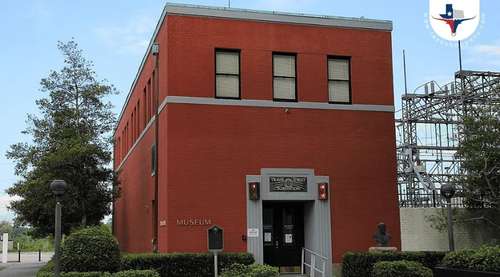
Larry D. Moore, Edison museum beaumont tx 2014, CC BY 4.0
Located in downtown Beaumont, Texas, the Edison Museum celebrates the inventions and technological achievements of Thomas Alva Edison. Housed inside the historic Travis Street Substation, the museum features interactive exhibits and a study collection containing more than 1,400 artifacts. Visitors can explore the development of electric lighting, sound recording, and early motion pictures while discovering how these innovations transformed everyday life. The museum is currently closed for renovations, but its historical exhibits remain an important part of Beaumont's cultural heritage.
Discovering Beaumont's Edison Museum
The Edison Museum is located at 350 Pine Street, behind Edison Plaza in downtown Beaumont. Dedicated to the life and inventions of Thomas Edison, it offers an educational look at the technological innovations that helped shape modern society.
Its collection contains more than 1,400 historical artifacts, including electrical equipment, early lighting devices, phonographs, and other objects associated with Edison's work. Selected exhibits demonstrate the evolution of technologies that became essential to everyday life.
The museum also highlights the history of electrical development in Southeast Texas. Through historical displays and educational materials, it connects Edison's inventions with the growth of modern power systems and the communities that benefited from them.
The History of the Travis Street Substation
The Edison Museum occupies the historic Travis Street Substation, constructed by Gulf States Utilities in 1929. The building originally helped distribute electricity throughout Beaumont, supplying power to residential neighborhoods, businesses, and growing industries.
During its operational years, the substation supported street lighting, electric railway systems, agricultural operations, and industrial facilities. Its development reflected the expanding demand for dependable electricity as Southeast Texas experienced economic and technological growth.
The building eventually became home to the Edison Museum, preserving an important piece of Beaumont's electrical history. Its original industrial character complements the exhibits, allowing visitors to explore technological progress within a structure directly connected to electrical distribution.
The Museum's Collection of Historical Artifacts
The Edison Museum's collection traces the development of inventions associated with Thomas Edison and the expanding electrical industry. Among its historical objects are incandescent light bulbs, phonographs, electrical components, and equipment illustrating the evolution of modern technology.
The collection has roots in the efforts of W. Donham Crawford, a former Gulf States Utilities executive who collected Edison-related artifacts. Following his death in 1984, his wife, Colene Crawford, contributed his collection to the museum's development.
Today, the museum maintains more than 1,400 objects in its growing study collection, although only selected artifacts are exhibited at a time. These materials help preserve the history of technological experimentation and demonstrate how electrical innovations influenced American life.
Thomas Edison's Contributions to Electric Lighting
Thomas Edison became internationally recognized for helping develop a commercially practical incandescent lighting system during the late nineteenth century. Although earlier inventors had created electric lamps, Edison and his collaborators improved their durability and practicality for widespread use.
His work extended beyond the light bulb itself. Edison helped develop generators, electrical distribution equipment, wiring arrangements, and other technologies needed to deliver electricity to customers. In 1882, his Pearl Street generating station began supplying electricity to part of Manhattan.
The Edison Museum explores these developments through historical lighting equipment and related artifacts. Its exhibits help visitors understand how electric power transformed homes, workplaces, transportation, and industry, laying important foundations for modern electrical infrastructure.
Exploring Edison's Sound and Motion Picture Innovations
Edison's inventions extended well beyond electrical lighting. In 1877, he developed the phonograph, one of the earliest devices capable of recording and reproducing sound. This invention represented a major breakthrough in communication and entertainment technology.
His laboratory also contributed to early motion picture development. The Kinetoscope, introduced commercially during the 1890s, allowed individual viewers to watch moving images through a viewing cabinet. These innovations helped establish important foundations for the emerging film industry.
The museum's historical exhibits include equipment associated with sound recording and early motion pictures. Such displays illustrate the rapid development of entertainment technology and demonstrate how inventions originally considered extraordinary eventually became familiar parts of daily life.
Interactive Exhibits and Educational Experiences
The Edison Museum was designed to make technological history accessible through displays that combine authentic artifacts with interactive learning opportunities. Visitors can explore the principles behind inventions while discovering how scientific experimentation contributed to technological progress.
The museum has offered educational activities, including its Edison Junior Inventor scavenger hunt. This program encourages younger visitors to explore exhibits, identify historical information, and learn about Edison's achievements through an engaging activity.
School and group visits have also been part of the museum's educational mission. These experiences connect history with science and engineering, helping students understand how inventions develop through experimentation, persistence, and practical problem-solving.
Planning Your Visit to the Edison Museum
The Edison Museum is located at 350 Pine Street, Beaumont, Texas 77701, behind the Edison Plaza building. Its downtown location makes it convenient to combine a museum visit with other historical and cultural attractions in the surrounding area.
Admission is normally free, although donations are appreciated. The museum lists regular operating hours of Tuesday through Friday, from 9:00 a.m. to 2:00 p.m. Free group tours for more than ten visitors are available by reservation under normal operations.
Important visitor update: The museum is currently closed until further notice for renovations and upgrades. Before making travel arrangements, contact the museum at (409) 299-9195 or director@edisonmuseum.org to confirm reopening information and available visitor services.
Nearby Attractions to Complete Your Day
If time allows, consider visiting other nearby spots in Beaumont to deepen your understanding of the area’s history and culture:
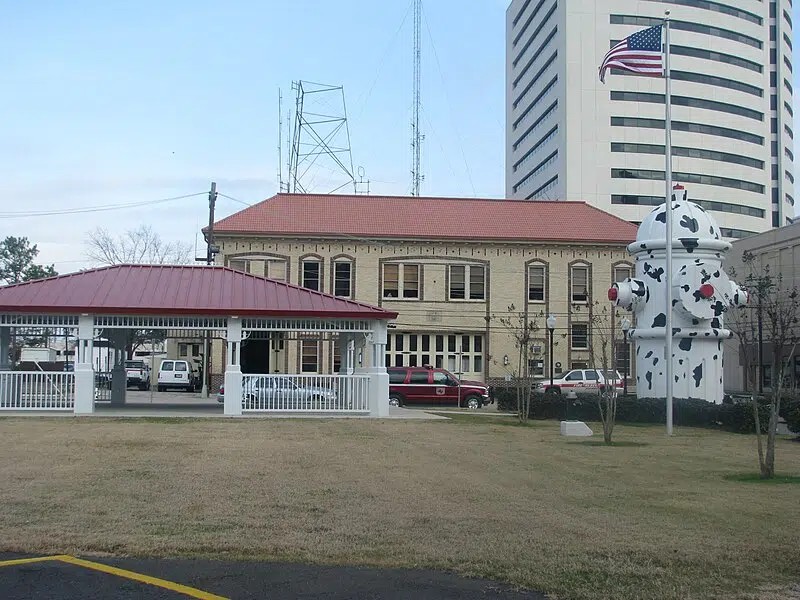
R. Rothenberger, Fire Museum of Texas in Beaumont, CC BY 3.0
- Fire Museum of Texas: This museum showcases vintage fire engines and equipment, celebrating Texas firefighting history.
- Beaumont Children’s Museum: An interactive museum perfect for families, featuring science and art exhibits that complement the Edison Museum.
- Spindletop-Gladys City Boomtown Museum: Take a look at Beaumont’s oil history, with historical artifacts and exhibits on the early oil boom.
Tips for a Fulfilling Visit
- Begin with a Guided Tour (If Available):
- Guided tours offer valuable insights into Edison’s inventions and life. Ideal for history enthusiasts or those interested in an in-depth look at each exhibit.
- Bring a Notebook or Use the Museum’s App:
- Jotting down interesting facts or questions can be helpful. Some museums also offer smartphone apps with detailed exhibit information.
- Plan Time for Hands-On Activities with Kids:
- Families will enjoy the interactive stations, where children can experiment with science related to Edison’s inventions.
- Check for Seasonal Events or Special Exhibits:
- Around certain holidays, the museum hosts special events, such as workshops, lectures, or historical reenactments.
- Visit the Gift Shop for Unique Memorabilia:
- Before leaving, browse the gift shop for items related to Edison’s inventions, including replica lightbulbs and educational kits inspired by his experiments.
Why the Edison Museum Is Worth Exploring
The Edison Museum offers an opportunity to examine inventions that fundamentally changed modern life. Its collection illustrates how electric lighting, sound recording, motion pictures, and power distribution technologies developed through decades of experimentation and innovation.
Its location inside the Travis Street Substation adds historical significance. Rather than presenting technological progress through artifacts alone, the museum connects Edison's achievements with Beaumont's own electrical infrastructure and industrial development.
For visitors interested in science, engineering, or American history, the Edison Museum represents an educational attraction worth considering once it reopens. Its combination of historical objects, interactive exhibits, and local heritage provides an engaging perspective on the technologies that continue to influence everyday life.

Comments (0)
No comments yet. Be the first to share your thoughts.
Leave a comment